9 min read ·
Romance Scams Targeting Persian Singles: Red Flags
How romance scams target Persian singles abroad — the stories scammers use, a red-flag table, the latest FBI and FTC figures, and what to do if you're targeted.
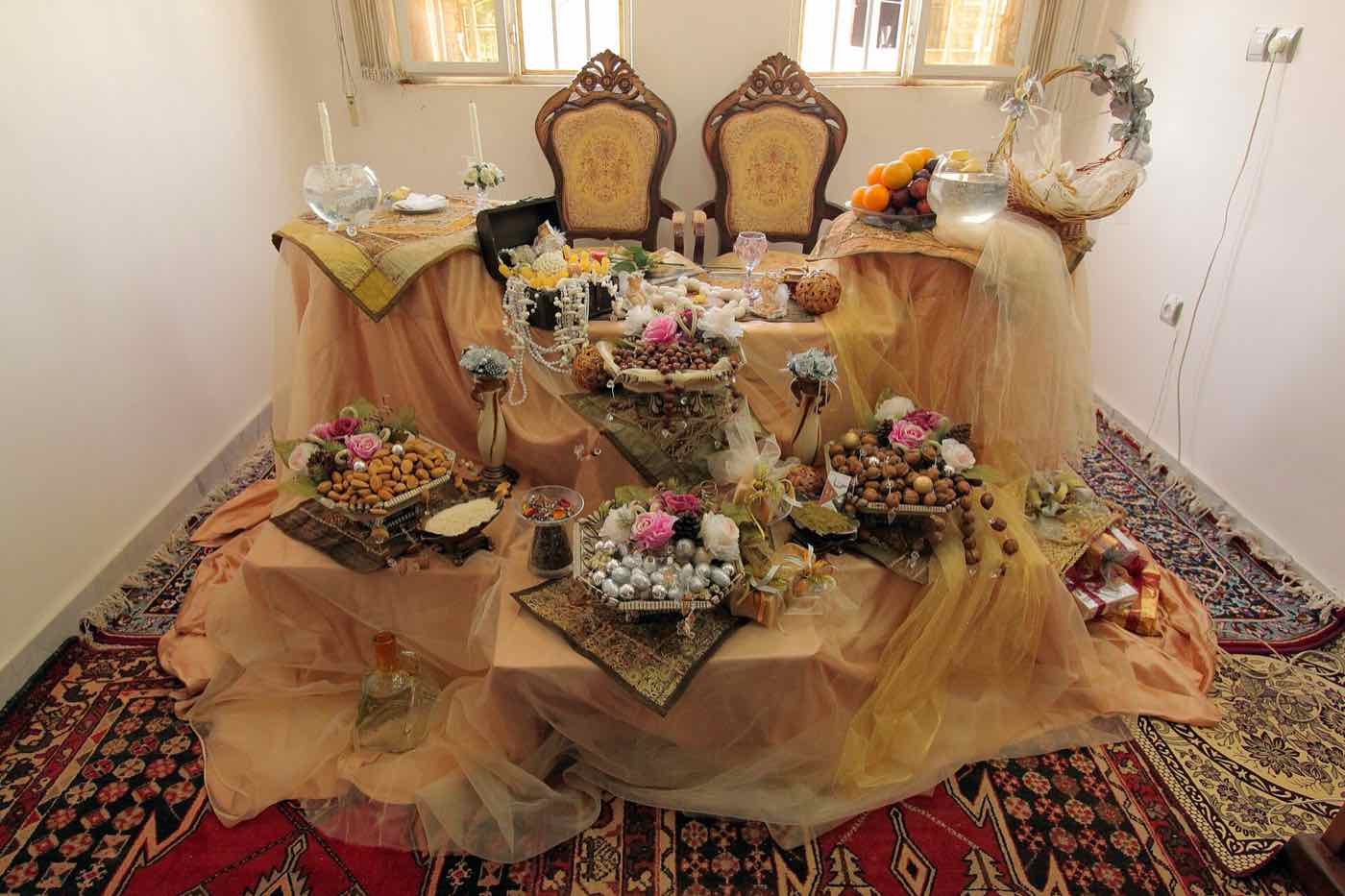
Photo: Nenad Stojkovic, CC BY 2.0, Wikimedia Commons
By the Delband team
Romance scams are not a niche problem, and they are not limited to strangers on big anonymous apps. In 2025, Americans reported more than $929 million in losses from confidence and romance scams to the FBI's Internet Crime Complaint Center — and that counts only people who reported. For Persian singles abroad, scammers increasingly use a shared language and culture as the hook: Iranian names, a few lines of Farsi, and stories that sound believable precisely because they touch on real-life complications. This guide covers the stories they tell, the red flags to watch for, and exactly what to do if you think you're being targeted.
$929M
Confidence/romance losses reported to the FBI's IC3 in 2025
23,159
Confidence/romance complaints to IC3 in 2025, up from 17,910 in 2024
$7.2B
Crypto investment fraud losses reported to IC3 in 2025 — often started on dating apps
5–10%
Share of frauds ever reported, per the Canadian Anti-Fraud Centre
Figures come from the FBI's 2025 Internet Crime Report, which notes that crypto investment scammers typically make contact through texts, social media, ads or dating applications before moving to a messaging platform, and from the Canadian Anti-Fraud Centre, which reported more than $704 million in Canadian fraud losses in 2025 and named romance fraud among the three costliest types. The FTC separately reported that romance-scam losses rose 22% in 2025, working out to roughly $2,020 per person.
Why a shared background can lower your guard
Scammers use affinity on purpose. When someone shares your language, jokes about your mother's cooking and knows what Chaharshanbe Suri is, it's natural to trust them faster than you would a stranger. Some fake profiles use photos stolen from real Iranians' social media accounts; others pick up just enough Farsi to feel familiar. Taarof can play a part too — it can feel rude to refuse a request outright, or to question someone who has been warm and generous. And because dating can be a private matter in many Persian families, people who are targeted are sometimes reluctant to ask relatives or friends for a second opinion, which is exactly the isolation scammers want.
Verification on a dating app helps filter out bulk fake accounts, but no system catches everything — our explainer on how Delband verifies profiles is honest about what it does and doesn't cover. If you or someone in your family prefers to read in Farsi, we also have a Farsi guide to safe online dating.
The stories romance scammers tell
Scripts change, but they tend to follow the same arc: build trust over weeks, create intimacy quickly, then introduce a problem that money solves. These are versions that come up for Iranian singles, alongside the classics the FTC has documented for years, such as the faraway military posting or the job on an offshore oil rig.
- The stuck money: an inheritance, business payment or savings is “frozen” because of banking restrictions, exchange problems or customs, and a fee is needed to release it. Real banking complications around Iran make this story sound plausible.
- The family emergency: a parent in Iran is in hospital, or a relative needs help urgently, and money must go through an intermediary “today.”
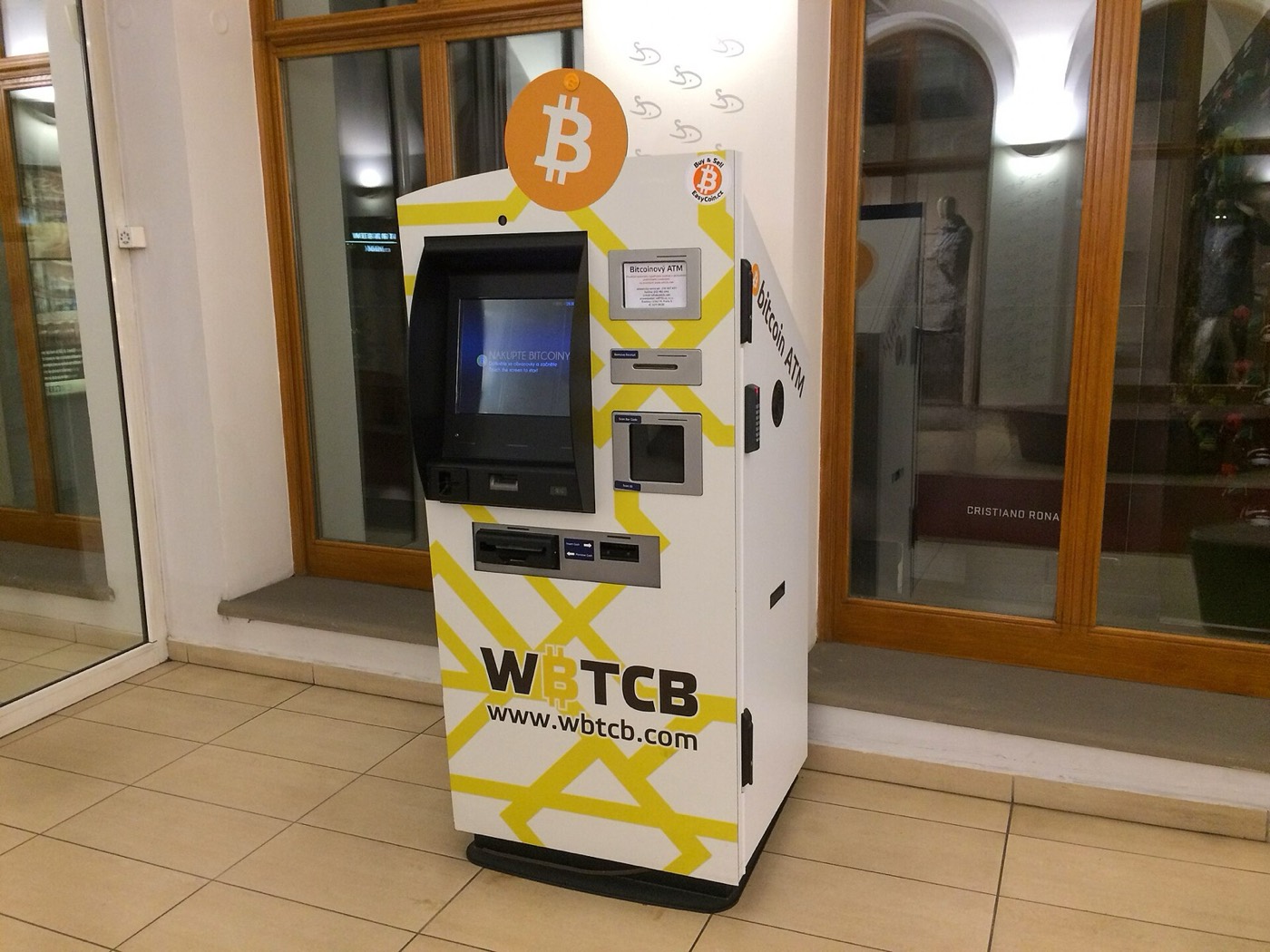
- The investment mentor: they're quietly successful in crypto, gold or forex trading and want to help you do the same. Small early “profits” on a slick platform are fake; withdrawals come with endless taxes and fees.
- The visa or travel problem: they want to visit you but need help with a ticket, a visa fee, a lawyer or a fine at the airport.
- The overseas professional: a doctor with an aid organisation, an engineer on a contract abroad, someone in the military — always busy, always far away, never able to video call.
- The intimate-image threat: after exchanging photos, a match threatens to send them to your family or contacts unless you pay. This is extortion; stop responding and report it.
- The recovery offer: after a scam, someone contacts you promising to recover your money for a fee. IC3 logged 10,516 complaints about crypto-related recovery scams alone in 2025.

Romance scam red flags: a quick-reference table
| Red flag | What it can sound like | Why it matters |
|---|---|---|
| Moves off the app fast | “I hardly check this app — add me on WhatsApp or Telegram.” | It removes the dating platform's reporting and safety tools. The FBI notes investment scammers quickly move victims to messaging platforms. |
| Avoids video calls | “My camera's broken” or “the connection here is terrible.” | Live video is far harder to fake than photos. Repeated excuses are one of the clearest warning signs. |
| Love-bombing | “I've never felt like this. You're my destiny,” within days. | Intense early declarations build emotional dependence before you've met. |
| Money or an “opportunity” | “Let me show you the app I use to trade gold.” | Any money talk with someone you haven't met is the core of the scam, however it's framed. |
| Unusual payment methods | Gift cards, crypto, wire transfers to a third party. | These are hard to reverse. In the FTC's 2023 analysis, gift cards were the most common payment method in romance scams. |
| Secrecy | “Don't tell your family yet — they won't understand us.” | Isolation keeps you from getting a second opinion. |
| Urgency | “If I don't pay this today, I'll lose everything.” | Pressure is designed to stop you from thinking or checking. |
| Shifting story | Job, city or family details that change between conversations. | Scammers juggle many targets and scripts; inconsistencies slip through. |
AI, deepfakes and why a video call isn't the last word
The FBI's 2025 report included its first section on AI-enabled crime, noting that scammers use AI chat tools to write more convincing scripts and create fake profiles; it attributed more than $19 million in confidence and romance losses to scams with a likely AI link. A video call before a first date is still one of the best filters you have, because most fake profiles won't agree to one. But treat it as one check, not a guarantee. Keep the call natural and spontaneous, notice whether the person's voice and expressions match the conversation, run a reverse image search on their photos, and meet in a public place before trusting anyone with anything that matters.
What to do if you think you're being targeted
Stop sending money and pause contact
You don't need to confront them or explain. Stop paying, stop sharing information, and take a breath.
Save the evidence
Screenshot profiles and chats, and note usernames, phone numbers, wallet addresses, transaction IDs and dates. Investigators need these details.
Contact your bank or payment provider immediately
Call your bank, card issuer, gift card company or crypto exchange as soon as possible. Speed can make a difference for transfers that are still pending.
Report it
In the US, report to the FBI at ic3.gov and the FTC at ReportFraud.ftc.gov. In Canada, report to the Canadian Anti-Fraud Centre. In England, Wales and Northern Ireland, use Report Fraud, which replaced Action Fraud in December 2025; in Scotland, call Police Scotland on 101. In Australia, report through Scamwatch.
Report and block the profile on the app
Reporting helps the platform remove the account before it reaches someone else.
Ignore anyone offering to recover your money for a fee
Legitimate agencies don't charge you to recover funds. Recovery offers are often a second scam aimed at the same victims.
Tell someone you trust
Shame is the scammer's best tool. Smart, careful people get targeted every day; talking to a friend or relative makes it easier to see the situation clearly.
Everyday habits that keep you safer on any dating app
- Keep early conversations inside the dating app, where reporting and blocking work.
- Run a reverse image search on profile photos if anything feels off.
- Video call before meeting, and meet first in a public place with your own transport.
- Never share bank details, ID documents, passwords or verification codes.
- Verify stories independently — a real hospital, company or embassy has a public phone number you can look up yourself.
- If a match introduces an investment, a trading app or a money-making opportunity, end the conversation.
Frequently asked questions
What is a romance scam?
A romance scam is fraud in which someone builds a fake relationship online to gain trust, then tricks the target into sending money, gifts, financial information or help moving funds. The FBI groups these as confidence/romance fraud. They often last weeks or months before money comes up, which is what makes them so convincing.
What are the biggest red flags of a romance scammer?
The clearest signs are any request for money or financial help, an investment or trading pitch, refusing or repeatedly delaying video calls, pushing to move off the dating app quickly, intense declarations of love within days, and pressure to keep the relationship secret. Several of these together are a strong warning.
Can I get my money back after a romance scam?
Sometimes, especially if you act fast. Contact your bank or payment provider immediately and file a report with the relevant authority, such as the FBI's IC3 in the US. Recovery isn't guaranteed, particularly with crypto or gift cards. Be wary of anyone who contacts you offering to recover funds for a fee.
Where do I report a romance scam?
In the US, report to the FBI's Internet Crime Complaint Center at ic3.gov and to the FTC at ReportFraud.ftc.gov. In Canada, use the Canadian Anti-Fraud Centre; in England, Wales and Northern Ireland, Report Fraud; in Scotland, Police Scotland on 101; in Australia, Scamwatch. Also report the profile on the dating app.
Is a video call enough to prove someone is real?
It's one of the best checks available, because most fake profiles avoid live video, but it isn't a guarantee — the FBI has warned about AI-generated profiles and scripts. Combine a video call with a reverse image search, consistent details over time and a public first meeting, and never send money regardless.
What is a pig butchering scam?
It's a nickname for a long-con scheme that mixes romance with investment fraud. The scammer builds a friendly or romantic connection, then introduces a crypto or trading platform that shows fake profits, encouraging bigger deposits. When the victim tries to withdraw, they face invented fees until the scammer disappears with the money.
Being part of a close community is a strength, and it's worth protecting. Delband verifies every account by email, builds profiles around real photos and lets matches video call inside the app, so you never have to hand over your phone number to have a first conversation. None of that replaces your own judgement, though — so share this guide with someone you love, and keep the one rule: no money to anyone you haven't met.