9 min read ·
Persian Wedding Traditions: The Sofreh Aghd and Everything on It
What's on a sofreh aghd and what does it mean? A visual guide to Persian wedding traditions, from the mirror and sugar cones to the bride's famous third "yes" and the knife dance.
By the Delband team
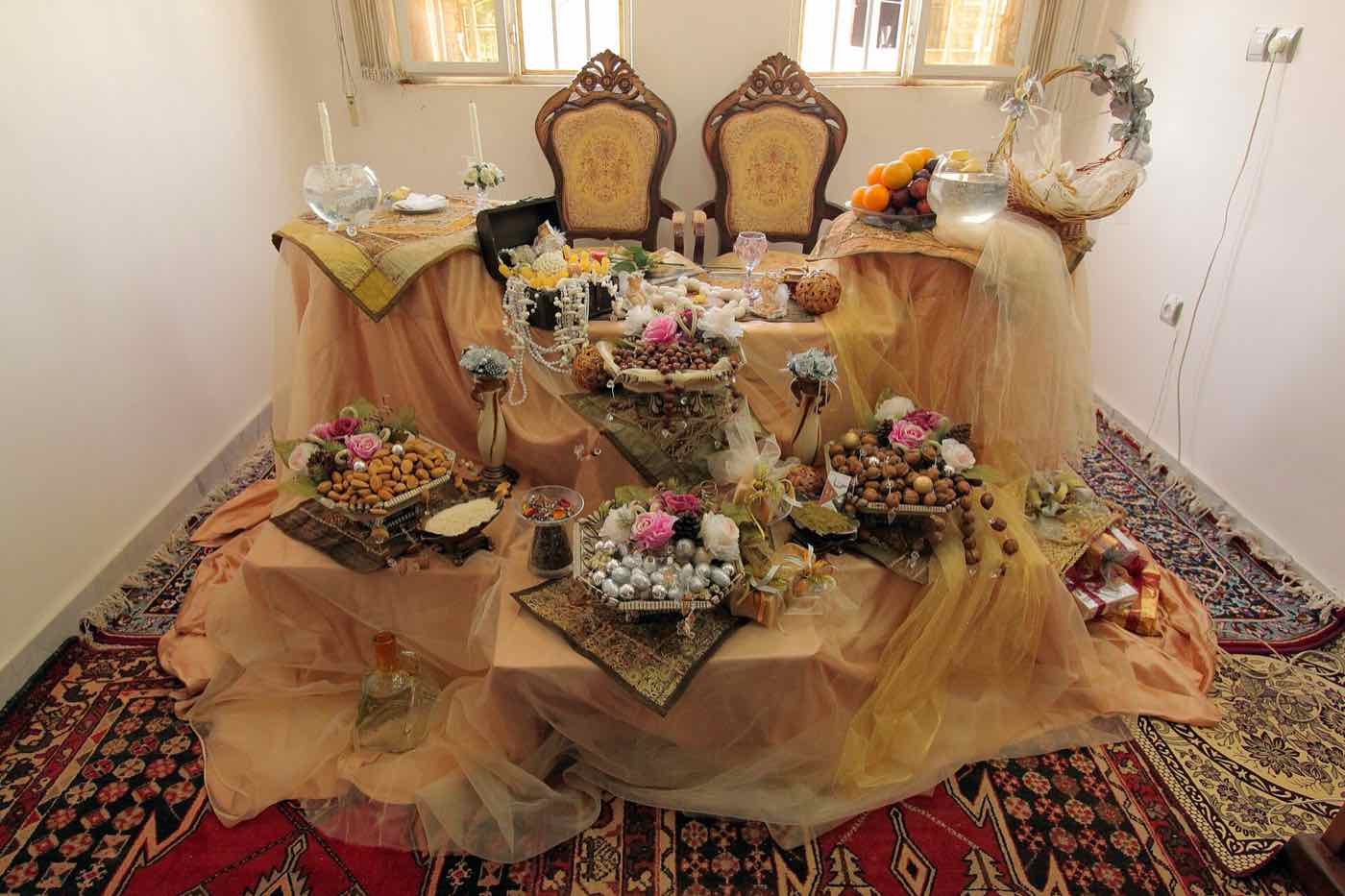
A Persian wedding has two halves. The aghd is the ceremony itself: intimate, symbolic and full of small rituals. The aroosi is the party: loud, late and full of dancing. At the heart of the aghd sits the sofreh aghd, a beautifully decorated spread where every item carries a wish for the couple's life together. If you're going to your first Persian wedding, or planning your own, here's what everything means.
3
Times the bride is asked before she says yes
10+
Symbolic items on a traditional sofreh
2
Sugar cones rubbed above the couple's heads
What's on the sofreh aghd
The sofreh is traditionally laid on the floor or a low table facing east, toward the sunrise, and the couple sits at its head. Every family's sofreh looks a little different, but these are the classics.
Mirror of fate
آینه بخت
A mirror flanked by two candelabras, for light and a bright future. The couple first sees each other's reflection in it.
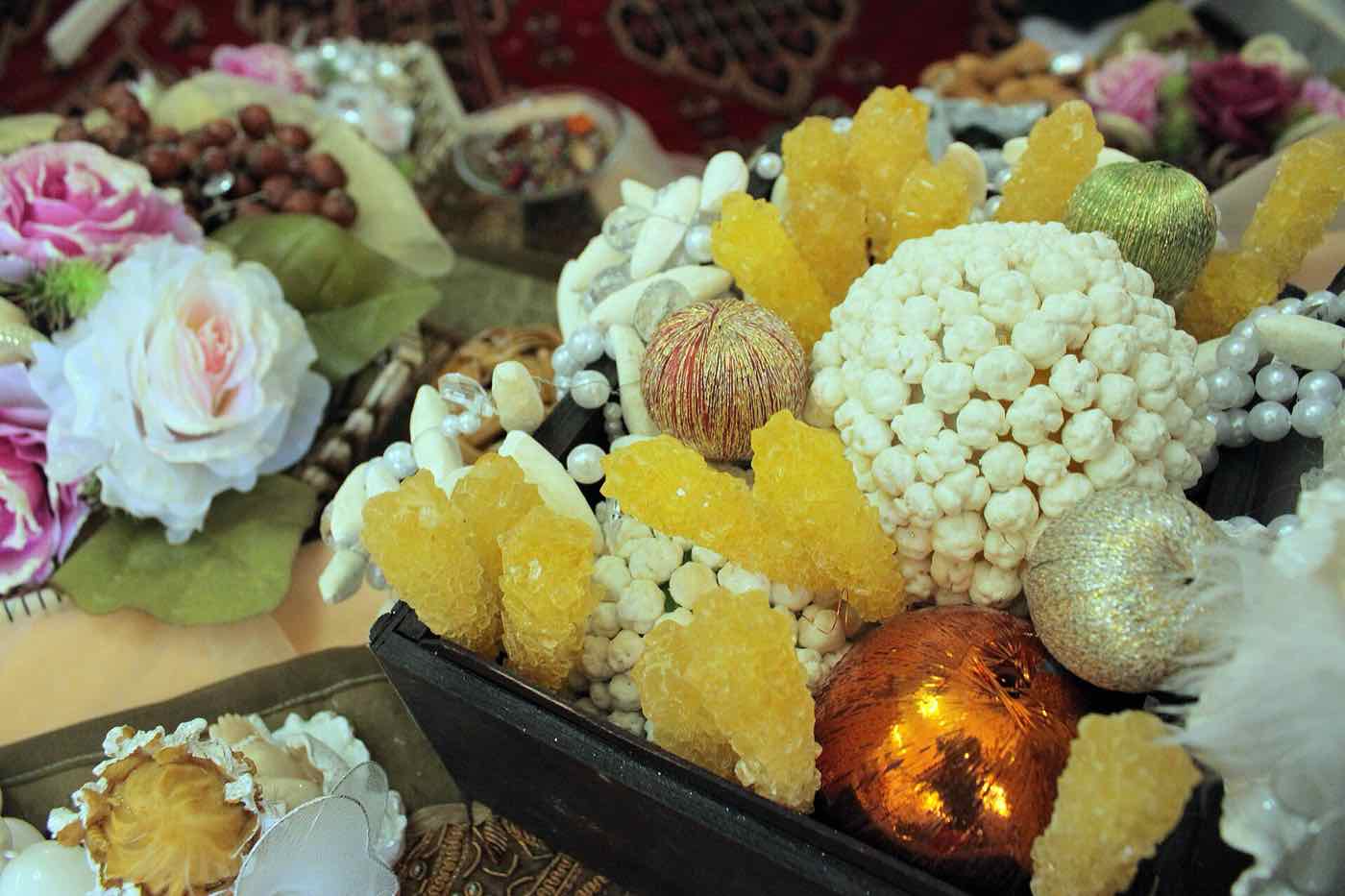
Sugar cones
کلهقند
Rubbed together over a cloth held above the couple's heads, to shower their life with sweetness.
Honey
عسل
A bowl of honey. The couple dips a finger and feeds each other, for a sweet beginning.
Decorated flatbread
نان
Often written with blessings, with feta and herbs beside it — for a home that's never without food.
Eggs and nuts
تخممرغ و آجیل
Decorated eggs, almonds, walnuts and hazelnuts, symbols of fertility and abundance.
Wild rue (esfand)
اسپند
Burned to ward off the evil eye — and to fill the room with its unmistakable smell.
Needle and thread
سوزن و نخ
Used to symbolically "sew shut" the lips of the mother-in-law, wishing for a peaceful family.
This one always gets a laugh from the guests.
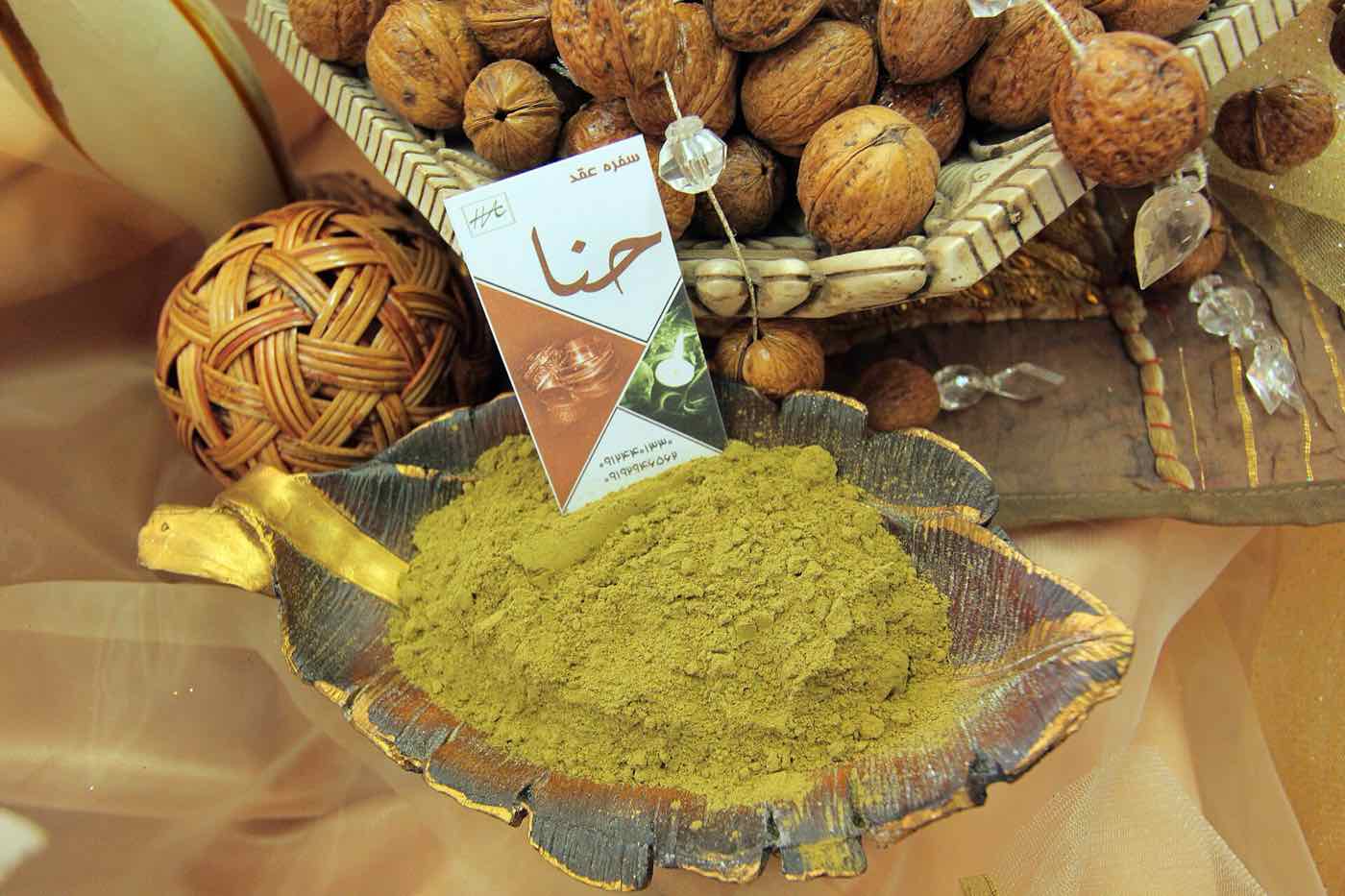
Henna
حنا
For joy and celebration, and a nod to the henna night (hanabandan) some families hold before the wedding.
Noghl and nabat
نقل و نبات
Sugar-coated almonds and rock candy, for sweetness. Noghl is also showered over the couple.
A holy or poetry book
کتاب
A Quran, Avesta or Bible depending on the family's faith, or a Divan of Hafez — for blessing and wisdom.
The ceremony, step by step
- The couple sits at the head of the sofreh, facing the mirror.
- Happily married women from both families hold a fine cloth over the couple's heads, while one rubs two sugar cones together above it.
- The officiant reads the marriage contract and asks the bride if she agrees.
- The famous delay: the first time, guests call out that the bride has gone to pick flowers. The second time, she's gone to fetch rosewater.
- The third time, she answers: "With my parents' permission — yes." The room erupts.
- The groom is asked once, says yes, and the couple feeds each other honey.
- Guests shower the couple with noghl and congratulations, and gifts are given.
The bride's three-time pause isn't hesitation. It's theatre — and everyone in the room knows their lines.
The aroosi: the party
- Dancing, often until very late. Expect Persian pop classics and "Bādā Bādā Mobārak Bādā", the wedding song everyone knows.
- Shabash: guests shower the dancing couple with cash.
- The knife dance: before the cake is cut, bridesmaids and friends take turns dancing with the cake knife, and the groom has to pay each one to hand it over.
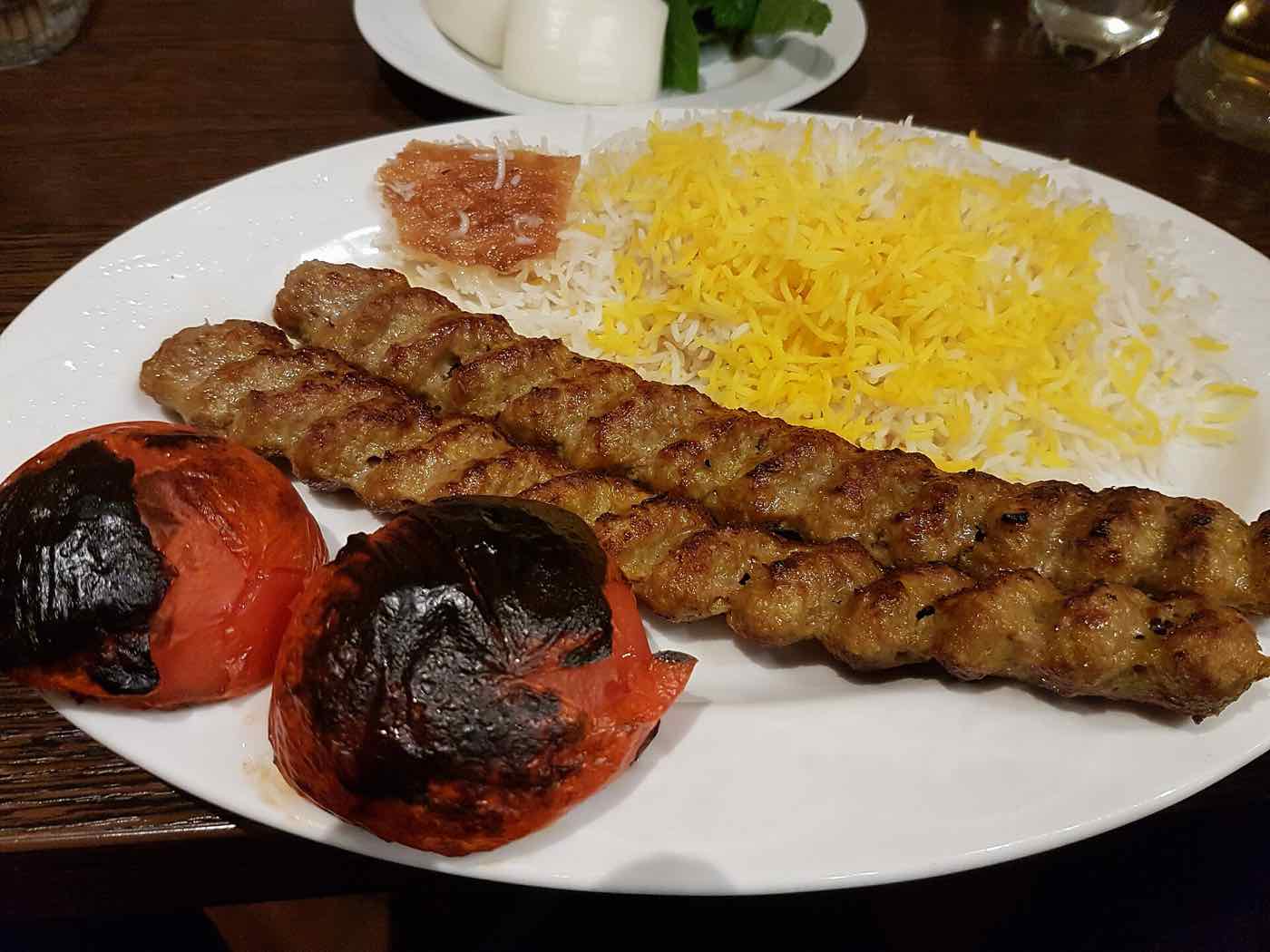
- A huge dinner, usually served late — think rice dishes, kabab and stews.
Modern and diaspora weddings
Many diaspora couples blend traditions: a sofreh aghd in the morning and a Western-style reception at night, a sofreh with both Persian and other cultural items, or vows in English and Farsi. Mixed couples often keep the sugar cones, the honey and the three-time question, because they're joyful and easy for everyone to understand.
It all starts with meeting someone
Every sofreh aghd starts with two people finding each other. Delband is a dating app for the Persian community, built for people looking for something real, with nearby matches and city chat rooms. Free to download on iPhone.