8 min read ·
Khastegari Explained: The Persian Proposal Visit, Step by Step
What happens at a khastegari? Who comes, what to bring, what gets asked, and how the Persian proposal visit works for couples in the diaspora today.
By the Delband team
In many Persian families, getting engaged isn't just a question between two people. It starts with khastegari — a formal visit where one family comes to the other's home to ask for a hand in marriage. For couples who met on their own, maybe even on a dating app, it can feel old-fashioned. But khastegari is still very much alive in the diaspora, and knowing what to expect makes it a lot less nerve-racking.
4
Classic steps: khastegari, baleh boroon, aghd, aroosi
2
Families meeting — not just two people
1
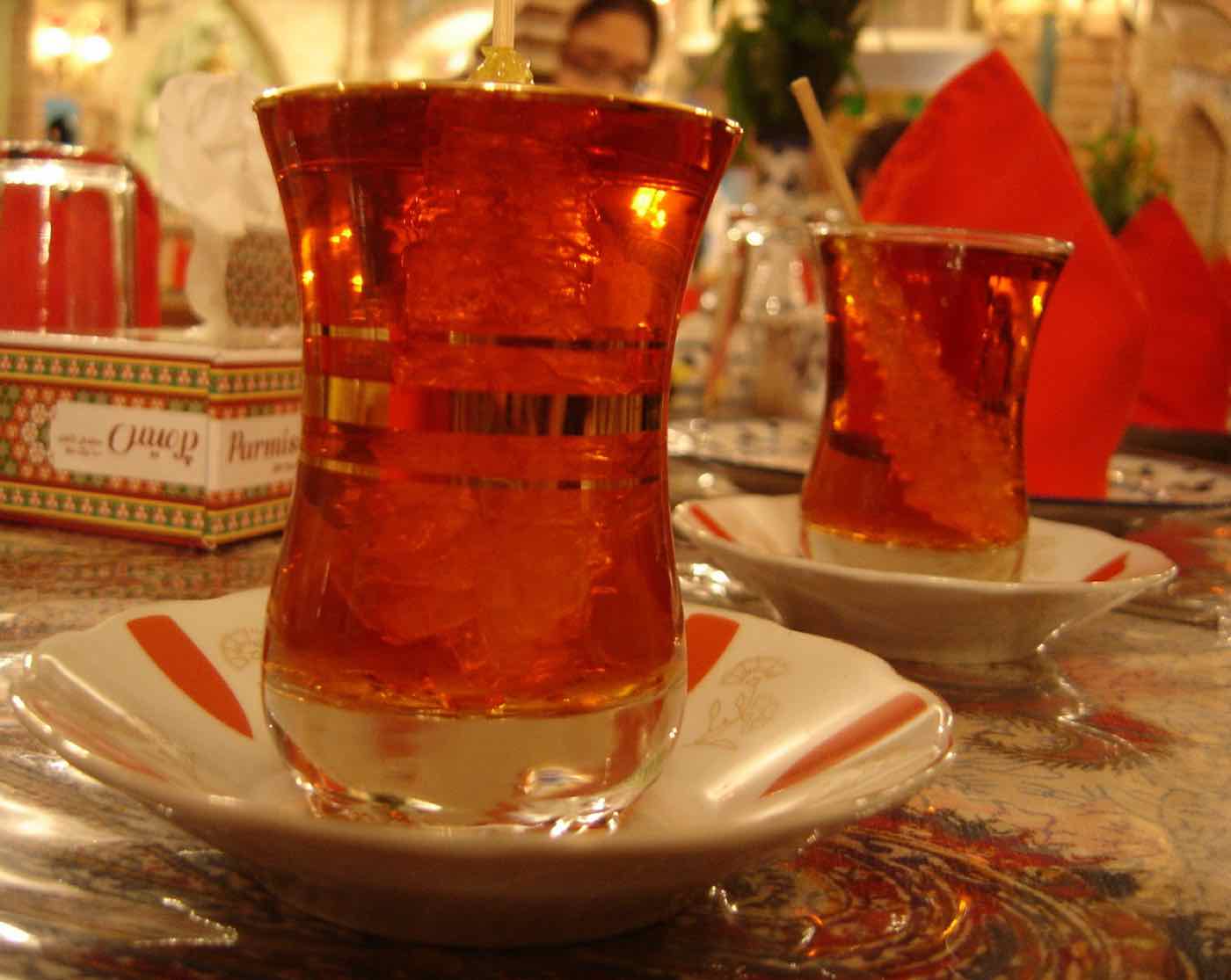
Tray of tea that makes the moment official
What khastegari is
Khastegari literally means "asking". Traditionally, the man and his parents (and sometimes a grandparent or older relative) visit the woman's family at her home. It's a chance for the families to meet, for the woman's family to get a sense of the suitor, and for both sides to talk about the future. Today, most couples already know each other well before this visit happens. The khastegari becomes a respectful, formal way of bringing the families into the relationship.
Step by step: how the evening usually goes
- The call: the man's family (often his mother) calls the woman's family to ask if they may visit. Nobody just shows up.
- Arrival: his family arrives with a large bouquet of flowers and a box of Persian sweets.
- Tea: at some point the woman brings in a tray of tea for the guests. It's one of the best-known moments of the evening, and families often joke about it.
- Small talk: everyone gets to know each other — where the families are from, work, studies, plans.
- The serious part: the elders talk about the future: where the couple will live, expectations, and sometimes the mehrieh.
- Time alone: the couple may be invited to talk privately for a while.
- No answer on the spot: the woman's family traditionally replies later, after thinking it over.
Khastegari isn't really about getting permission anymore. It's about two families saying: we see you, and we're in this together.
The words you'll hear
Khastegari
خواستگاری
The formal visit to ask for someone's hand in marriage.
Baleh boroon
بلهبرون
"Taking the yes." A follow-up gathering where the families make the agreement official and talk details.
Namzadi
نامزدی
Engagement — often celebrated with its own party.
Mehrieh
مهریه
A gift or sum promised to the bride and written into the marriage contract, often counted in gold coins.
Many couples now choose a symbolic mehrieh, like a number of coins matching the bride's birth year, or a book of poetry.
Aghd
عقد
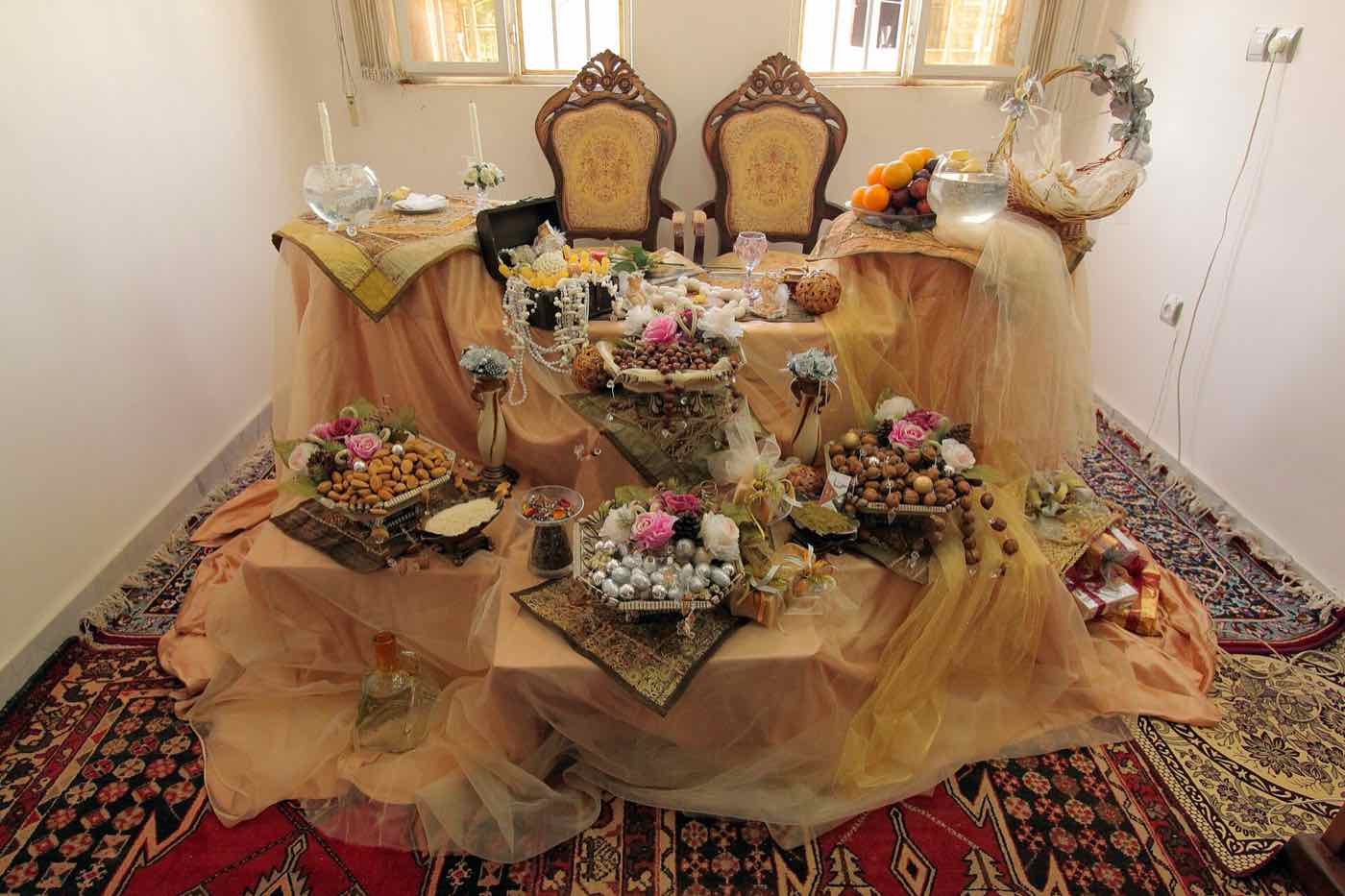
The marriage ceremony itself, often in front of a decorated spread called the sofreh aghd.
Aroosi
عروسی
The wedding party and reception — the big celebration.
What to bring
- Flowers: a large, beautiful bouquet or arrangement for the woman's family. This is the one thing you really shouldn't skip.
- Sweets: a box from a good Persian bakery (shirini).
- Optional: a small gift for the woman, such as jewelry, if both families expect it. Ask quietly beforehand.
- Dress smart: think nice dinner, not casual Friday.
If one of you isn't Iranian
Mixed couples do khastegari too, often in a lighter form. The non-Iranian partner's family might not know the customs, so it helps to explain them beforehand: bring flowers and sweets, expect a lot of food and taarof, and don't expect an answer on the night. Many families are moved by the effort alone. It's a great way to show respect for your partner's culture.
Find someone worth a khastegari
Every khastegari story starts with two people meeting. Delband is a dating app built for the Persian community, for people looking for something serious, with nearby matches and city chat rooms. Free to download on iPhone.