8 min read ·
Taarof in Dating: The Persian Politeness Ritual, Explained
Who pays the bill? Does "no, really, I'm fine" mean no? A practical guide to taarof on dates and with family, with the phrases you'll hear and how to read them.
By the Delband team
You offer to pay. They refuse. You offer again. They refuse again, more firmly. Is this a real no, or the start of a dance? Welcome to taarof — the Persian art of ritual politeness, where offers and refusals are part of a social script. If you're dating someone Iranian, understanding taarof will save you from a lot of awkward moments, and make you look very good in front of their family.
2–3×
An offer is often repeated before a real yes
#1
First-date taarof moment: the bill
Both
Taarof runs in both directions — giving and refusing
What taarof actually is
Taarof is a set of manners built on putting the other person first, at least on the surface. Hosts insist you eat more. Guests refuse before accepting. Shopkeepers say "it's not worthy of you" when you go to pay. Nobody is lying; everybody knows the script. It's a way of showing respect and generosity — and of letting the other person save face if they genuinely don't want something.
The phrases you'll hear most
Ghabel nadare
قابل نداره
"It's not worthy of you." Said when you try to pay or thank someone for a gift.
In a shop, it does not mean it's free. Insist, and pay.
Befarmaid
بفرمایید
"Please, go ahead / help yourself / come in." The all-purpose invitation.
Shoma befarmaid
شما بفرمایید
"No, you first." The classic doorway standoff, where both people insist the other goes first.
Zahmat nakesh
زحمت نکش
"Don't trouble yourself." Said when someone offers to cook, drive or pay.
Dastet dard nakone
دستت درد نکنه
"May your hand not hurt." A warm thank-you for anything someone made or did for you.
Taarof nakon
تعارف نکن
"Don't taarof." Meaning: be honest, do you actually want it? The off switch.
Your best friend on a date. Use it freely.
Taarof on a first date
- The bill: expect a friendly fight over who pays. Offering is polite; insisting a little is polite; letting them win once is also polite. Splitting is increasingly normal in the diaspora, but say it out loud.
- "I'm not hungry": if your date says they don't want anything, offer once more. If they still say no, order something to share and put it in the middle.
- "Whatever you prefer": a taarof classic when picking a place. Give two concrete options instead of an open question.
- Leaving: walking someone to their car or waiting until they're home safe is a common, warm gesture, not an overstep.
Taarof isn't dishonesty. It's a polite way of giving the other person room to say what they really want.
How to tell a real no from a taarof no
- Count the refusals. One no is often polite. A third, firm no usually means no.
- Watch the body language. A smile and a half-reach toward the plate is a yes in disguise.
- Notice the reason. "No, I couldn't" is taarof. "No, I'm allergic" is a real no.
- When in doubt, say "taarof nakon" — or in English, "no taarof, honestly?" Most diaspora Iranians will laugh and tell you the truth.
With their family
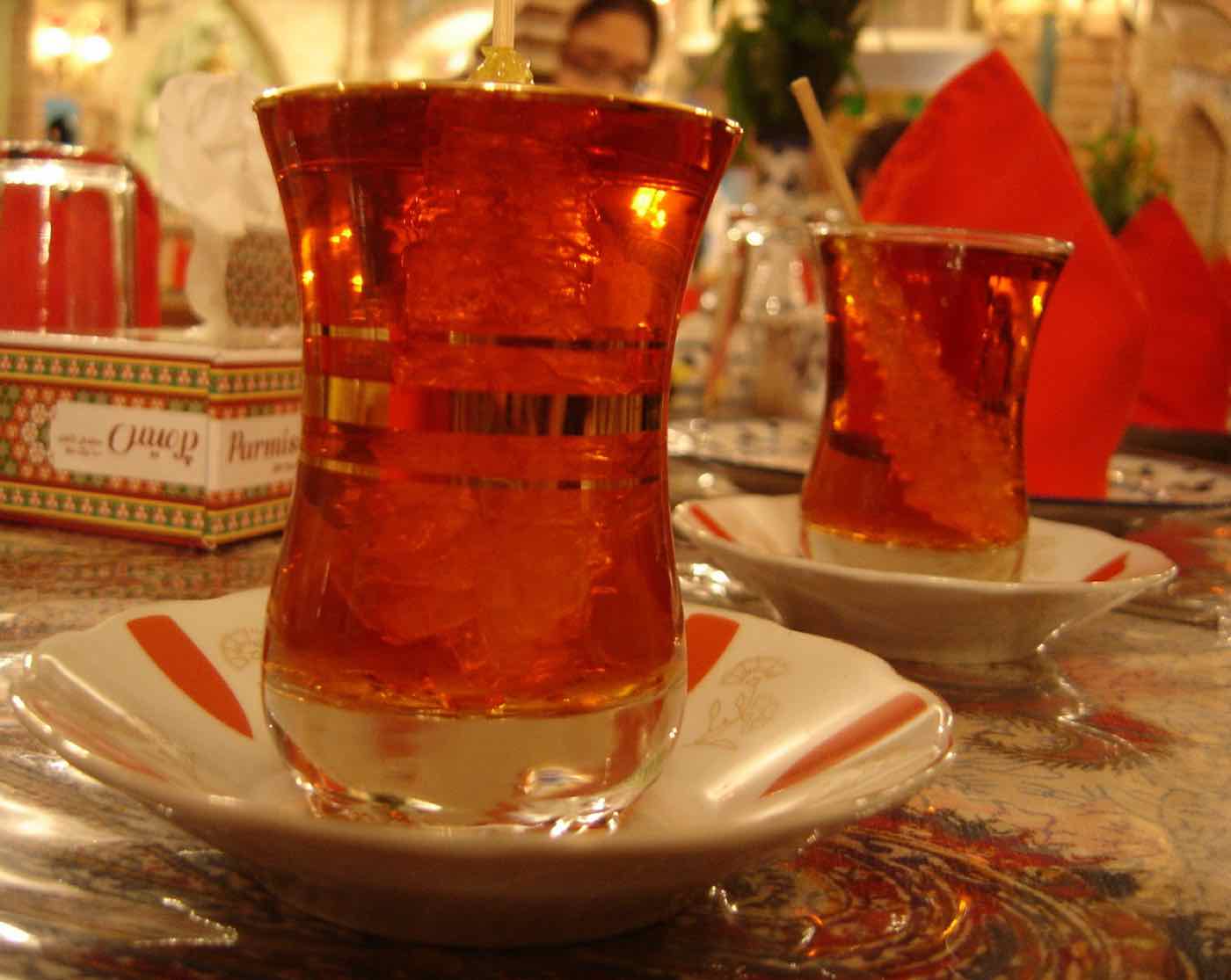
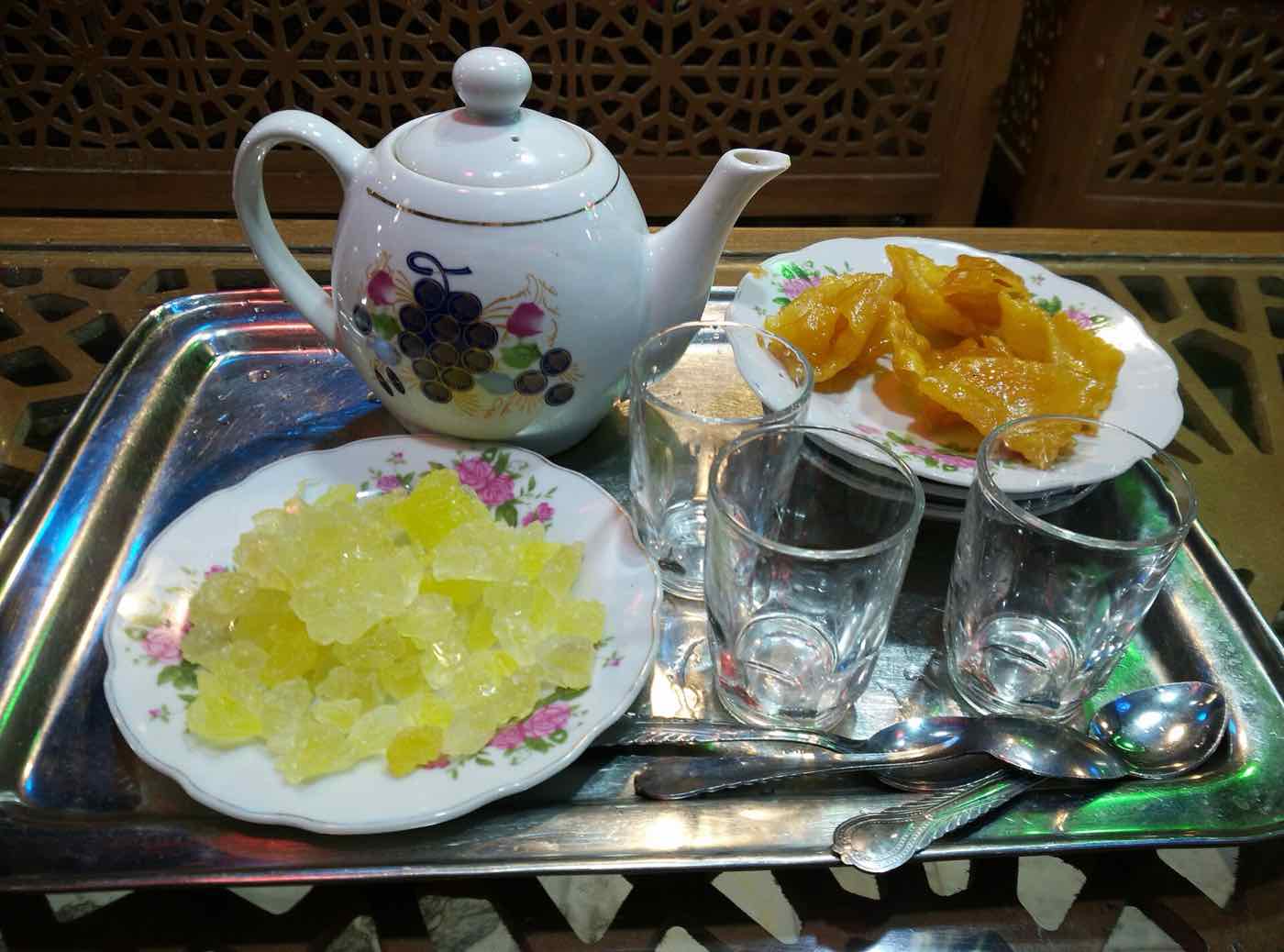
- Accept tea and fruit when it's offered the second time. Refusing everything can come across as cold.
- Never arrive empty-handed: sweets, flowers or fruit for the host.
- Compliment the food — and expect a refill no matter what you say.
- When you leave, expect a long goodbye at the door. It's part of the ritual.
- Say "dastet dard nakone" to whoever cooked. It lands every time.
Meet someone who gets it
Dating within the Persian community means fewer explanations and more inside jokes about the doorway standoff. Delband is a dating app built for Iranians and the people who love them, with nearby matches and city chat rooms. Free to download on iPhone — no taarof.