7 min read ·
Dating a Persian Partner: What to Expect
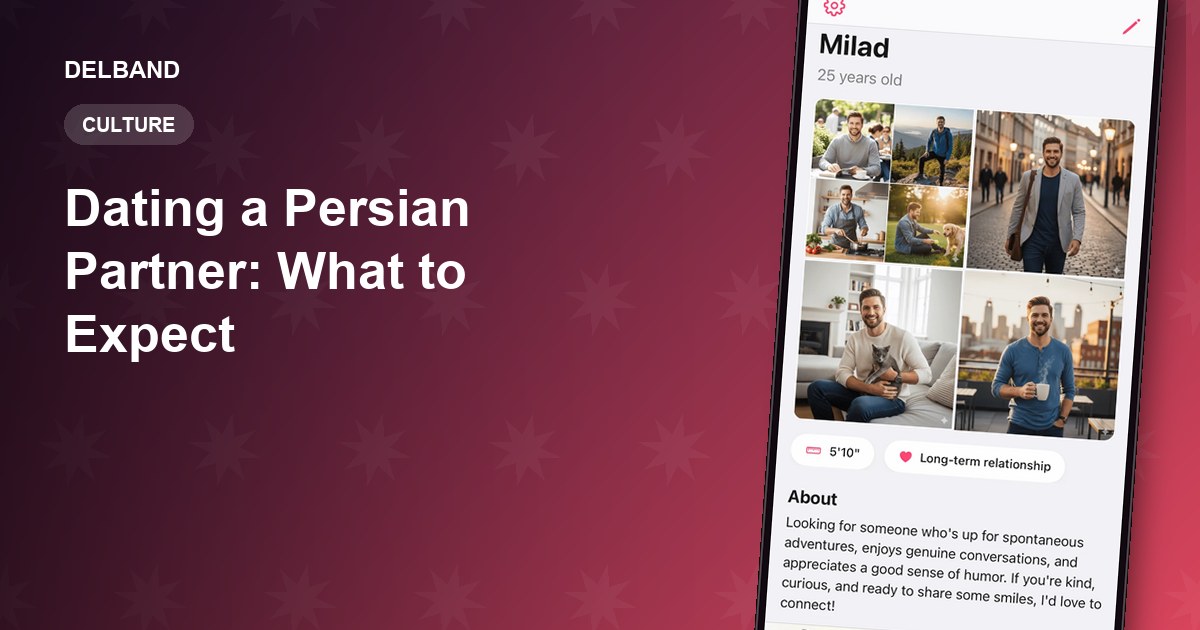
Curious what dating an Iranian partner is actually like? An honest, non-stereotyped look at family involvement, hospitality, communication styles, and what to ask instead of assume.
By the Delband team
Whether you're Persian yourself or dating into the culture for the first time, a handful of patterns show up often enough to be worth knowing in advance — not as rules that apply to everyone, but as context that explains behavior you might otherwise misread.
Family enters the picture earlier than you might expect
It's common for family to be introduced into a relationship sooner than in some other dating cultures — not necessarily meeting parents on date three, but a partner mentioning you to their family, or asking early questions that are really about compatibility with their family's expectations. This doesn't mean less independence or less say in the relationship. It usually just means relationships are taken seriously from early on, and that family opinion is one real input, even when it isn't the deciding one.
Hospitality is the default setting
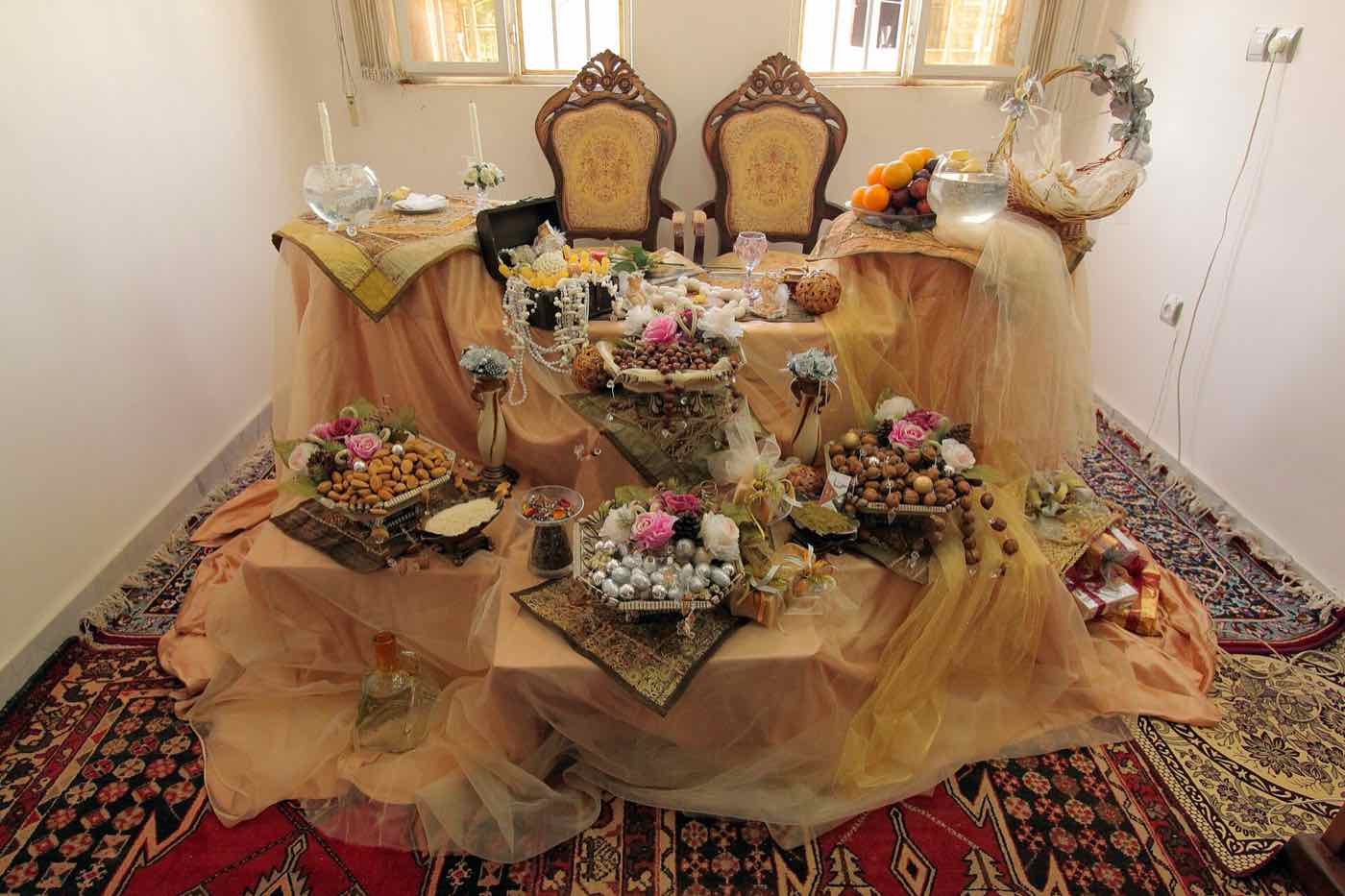
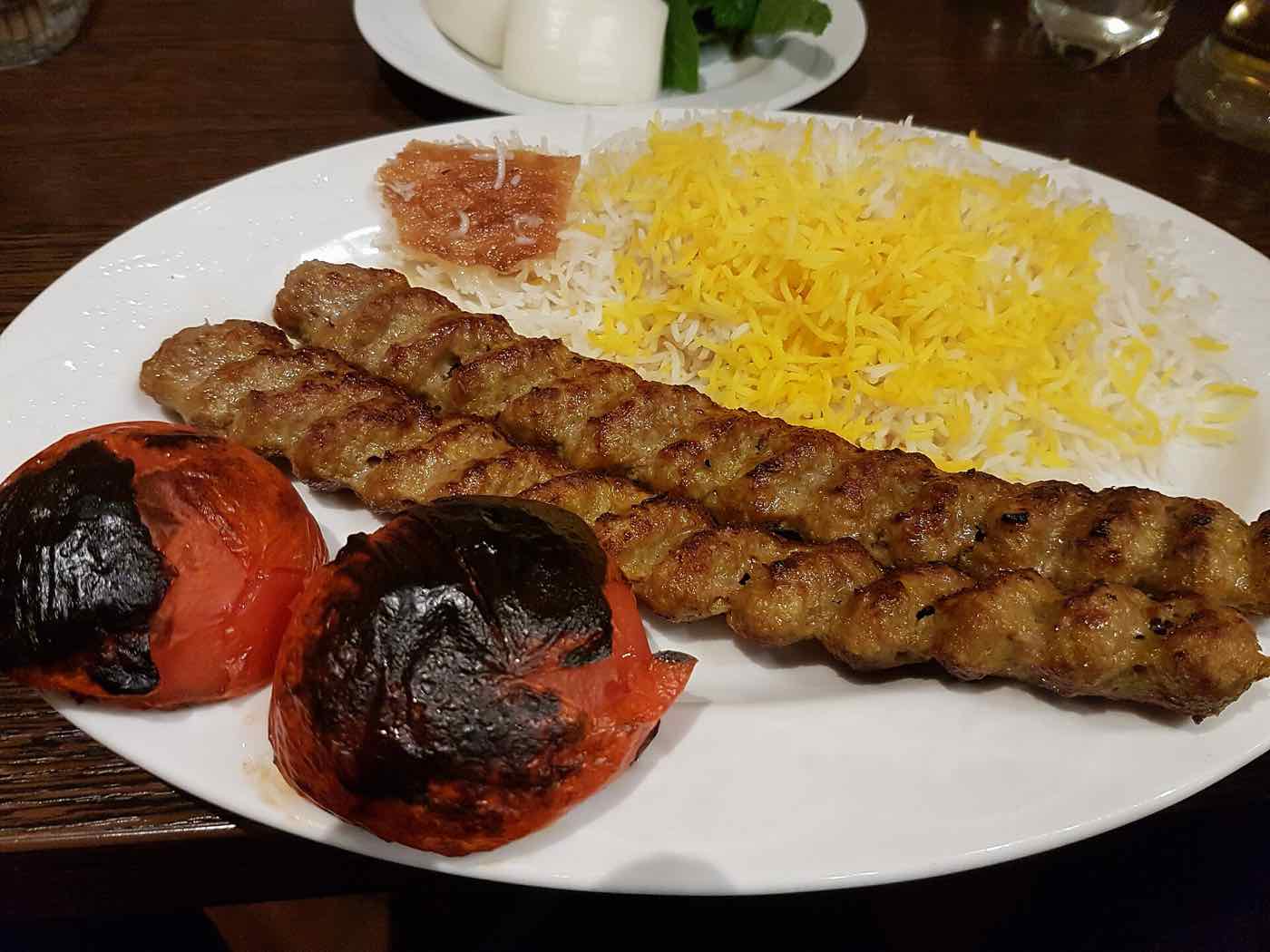
Expect generosity with food, time, and attention, often to a degree that can feel like "too much" if you're not used to it. Ta'arof — the custom of polite insistence — shows up in small moments: repeatedly offering to pay, insisting a guest eat more even after they've said they're full, downplaying their own effort or accomplishments. Read it as warmth expressed through ritual, not as pressure you're obligated to match exactly.
Communication styles vary more than the stereotype suggests
- Some Persian daters are very direct; others lean on context, tone, and implication more than explicit statements
- Humor and teasing are frequently a sign of comfort and affection, not distance or dismissiveness
- Language preference varies — some favor Farsi, some English or another language entirely, and many switch fluidly between them depending on mood or topic
Gender roles and expectations are genuinely diverse
It's worth saying directly: there is no single "Persian relationship model." Expectations around gender roles, religion, independence, and tradition vary enormously by generation, how religious a family is, where someone grew up, and plenty of individual choice on top of all that. Treating any one pattern as universal is a mistake — and usually an easy one to avoid just by asking.
The best approach: ask, don't assume
Culture shapes expectations, but every person filters it differently. The fastest way to understand what someone actually wants — in family involvement, pace, communication, everything — is still to ask them directly. A good first conversation, whether on a call or an early date, is the place to start that, rather than guessing from a stereotype.