8 min read ·
Persian Dating Culture: A Modern Guide for the Diaspora
How Persian dating culture blends family, tradition, and modern life — ta'arof, family involvement, and practical advice for dating with confidence as an Iranian single abroad.
By the Delband team
Dating in the Persian community rarely follows the script mainstream apps are built around. It isn't two strangers matching in a vacuum — it's two people, each carrying a web of family, language, and expectation, trying to figure out if those webs can overlap. Understanding how that works makes dating easier, not harder.
Family is part of the relationship, not outside it
In a lot of Western dating advice, meeting the parents is a milestone that comes late — after exclusivity, after "the talk." In Persian families, that line moves much earlier. It's common for parents to know a partner's name, background, and even profession well before a relationship is "official" by Western standards. This isn't about control. It reflects a cultural assumption that dating is oriented toward something serious, and that family opinion is one input among several, not a veto. If you're dating a Persian partner for the first time, don't read early family involvement as a red flag — it's often just how seriously the relationship is being treated.
Ta'arof shows up in small, surprising places
Ta'arof — the elaborate Persian custom of polite insistence, deference, and ritual modesty — doesn't stay confined to dinner parties. On a date, it can show up as someone repeatedly insisting they pay, downplaying a compliment three times before accepting it, or offering you the last bite of something even if they clearly want it. The instinct from outside the culture is to take these exchanges literally. The better approach is to read the tone: ta'arof is warmth wearing a formal costume, not an actual negotiation. A little humor ("okay, I'll let you win this one") usually defuses any awkwardness.
Shared references do a lot of the work
One underrated advantage of dating within the Persian community: a huge amount of common ground arrives for free. You don't have to explain who Googoosh is, or why your grandmother insists her tahdig recipe is the only correct one, or what Nowruz actually involves. That shared vocabulary speeds up the part of dating that's usually slowest — the small talk that's actually trying to find out whether two people see the world similarly.
- Music, from classic Googoosh and Dariush to new Persian pop and rap
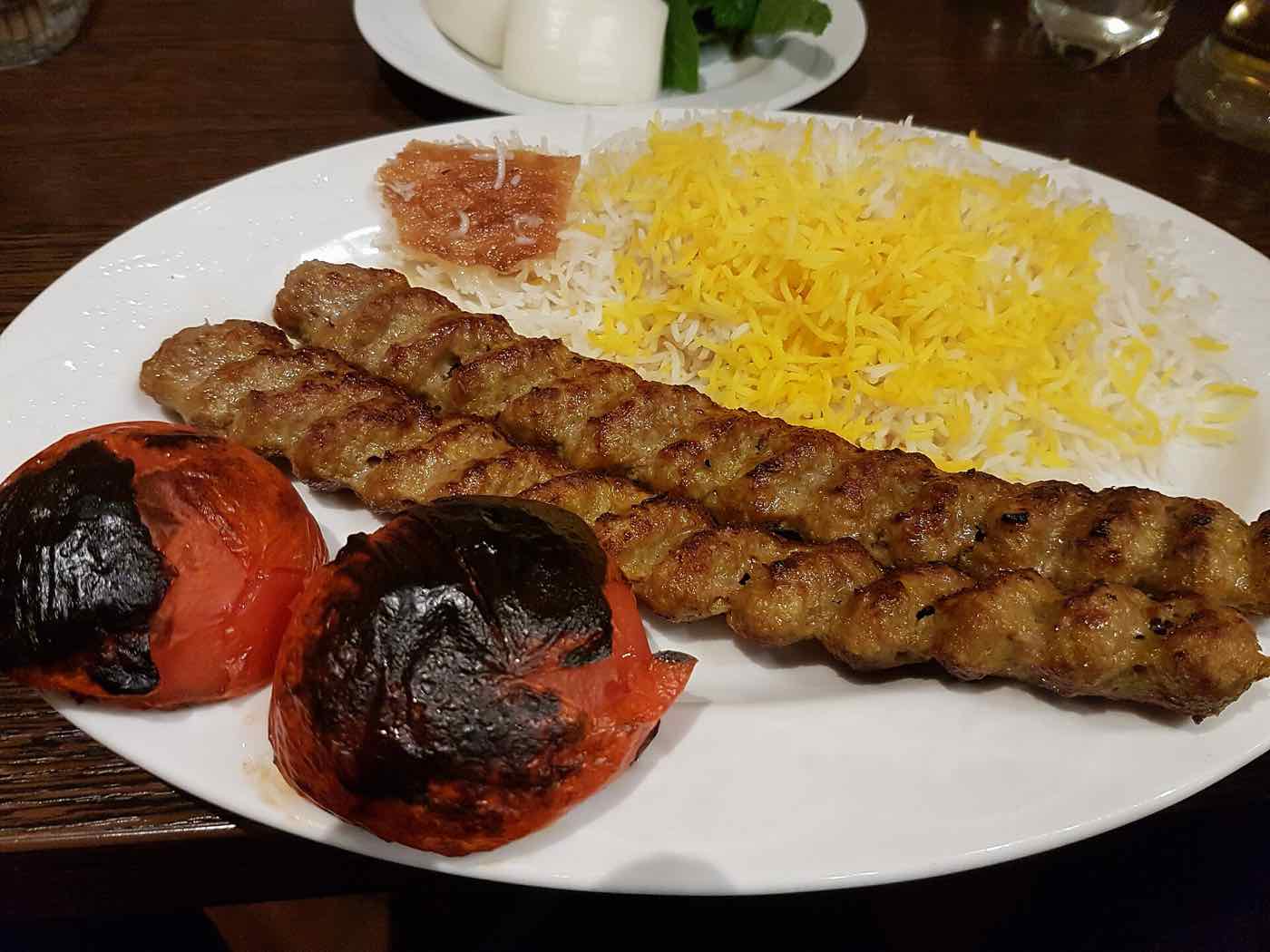
- Food opinions: tahdig, ghormeh sabzi, and whose family makes it best
- Nowruz, Chaharshanbe Suri, and Yalda night traditions
- Navigating Farsi, English, or some mix of both — and figuring out which one feels most like "you"
- The shared experience of being asked "when are you getting married" at every family gathering
Where generational differences matter
Not every Persian dater relates to the culture the same way, and assuming otherwise is its own mistake. Someone raised in Tehran until their twenties, a second-generation Iranian-American, and someone with one Persian parent can all check the same demographic box while having very different relationships to language, religion, and tradition. The honest move is to ask directly, early — how connected are you to this, what does family involvement look like for you, what traditions actually matter to you personally — rather than assuming a shared culture means a shared rulebook.
Common questions
Is it true that Persian families expect marriage quickly?
Expectations vary enormously by family, generation, and how religious or traditional that specific household is. Some families do expect a clear trajectory toward marriage once a relationship is introduced; others are far more relaxed, especially among second-generation families in the diaspora. Don't assume — ask your partner how their family actually operates, rather than going on stereotype.
What if I don't speak Farsi?
It's a non-issue for most people. A large share of Persian daters, especially outside Iran, are more comfortable in English, French, or whatever their home country's language is than in Farsi. Interest in learning a few words goes a long way, but fluency isn't an expectation.
Meeting people who already understand the context
Mainstream apps make it statistically unlikely you'll match with someone who shares this background, let alone someone nearby. Delband is built specifically for the Persian community: it sorts matches by distance so you see people in your own city first, and every profile starts from the same shared cultural ground this guide is about. It's free to download on iPhone.