7 min read ·
Sizdah Bedar Date Ideas: The Persian Picnic Day for Two
Sizdah Bedar 2027 falls on Friday, April 2. What Nature Day means, the sabzeh and grass-knot customs, picnic food, and date ideas for couples and singles.
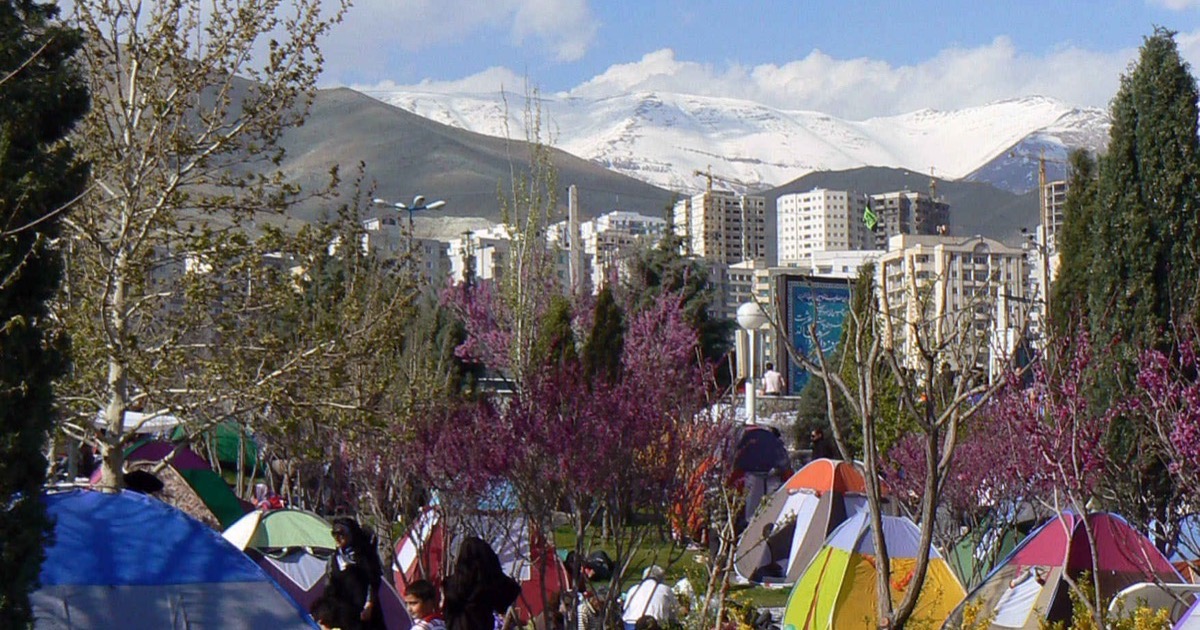
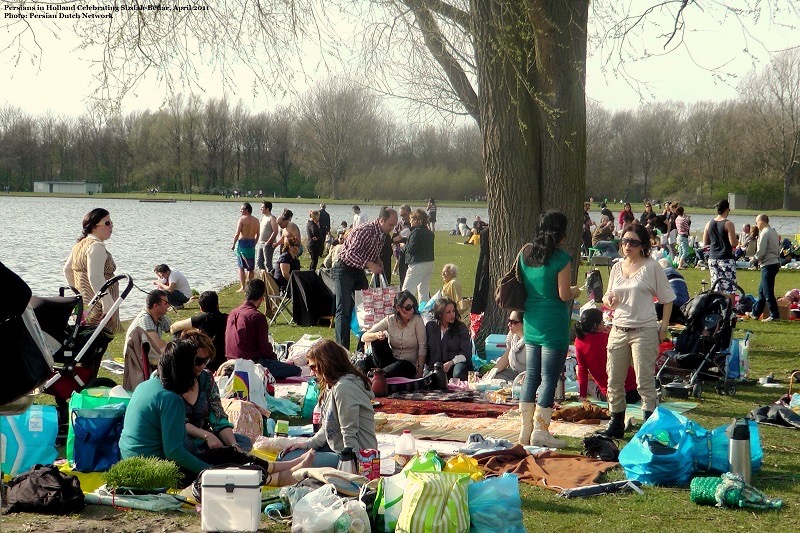
Photo: Saeed (Wikimedia Commons user), public domain
By the Delband team
On the thirteenth day of the Persian New Year, almost nobody stays home. Sizdah Bedar sends Iranian families into parks, hills and riverbanks for a full day of picnics, music, volleyball and long lunches — and it ends with a little ritual of letting go. It’s the most relaxed day on the Persian calendar, and one of the easiest to turn into a date.
Fri, Apr 2
Sizdah Bedar 2027 (13 Farvardin 1406)
13th
Day of the new year — the last day of the Nowruz holidays
Nature Day
Its official name in Iran’s calendar (Rooz-e Tabiat)
What Sizdah Bedar means
Sizdah is thirteen; bedar is usually read as “out of the door”. Folk tradition holds that thirteen is unlucky, so on the thirteenth day you leave the house and spend the day outdoors to escape the bad luck. Whether or not anyone still believes that, the result is a nationwide picnic, and in the diaspora some of the biggest Persian gatherings of the year happen in local parks on or around this day.
Sizdah Bedar closes the Nowruz season that began with fire jumping on Chaharshanbe Suri. After two weeks of formal visits and too much tea, it’s a day for being outside and doing as little as possible.
The customs, decoded
Sabzeh
سبزه
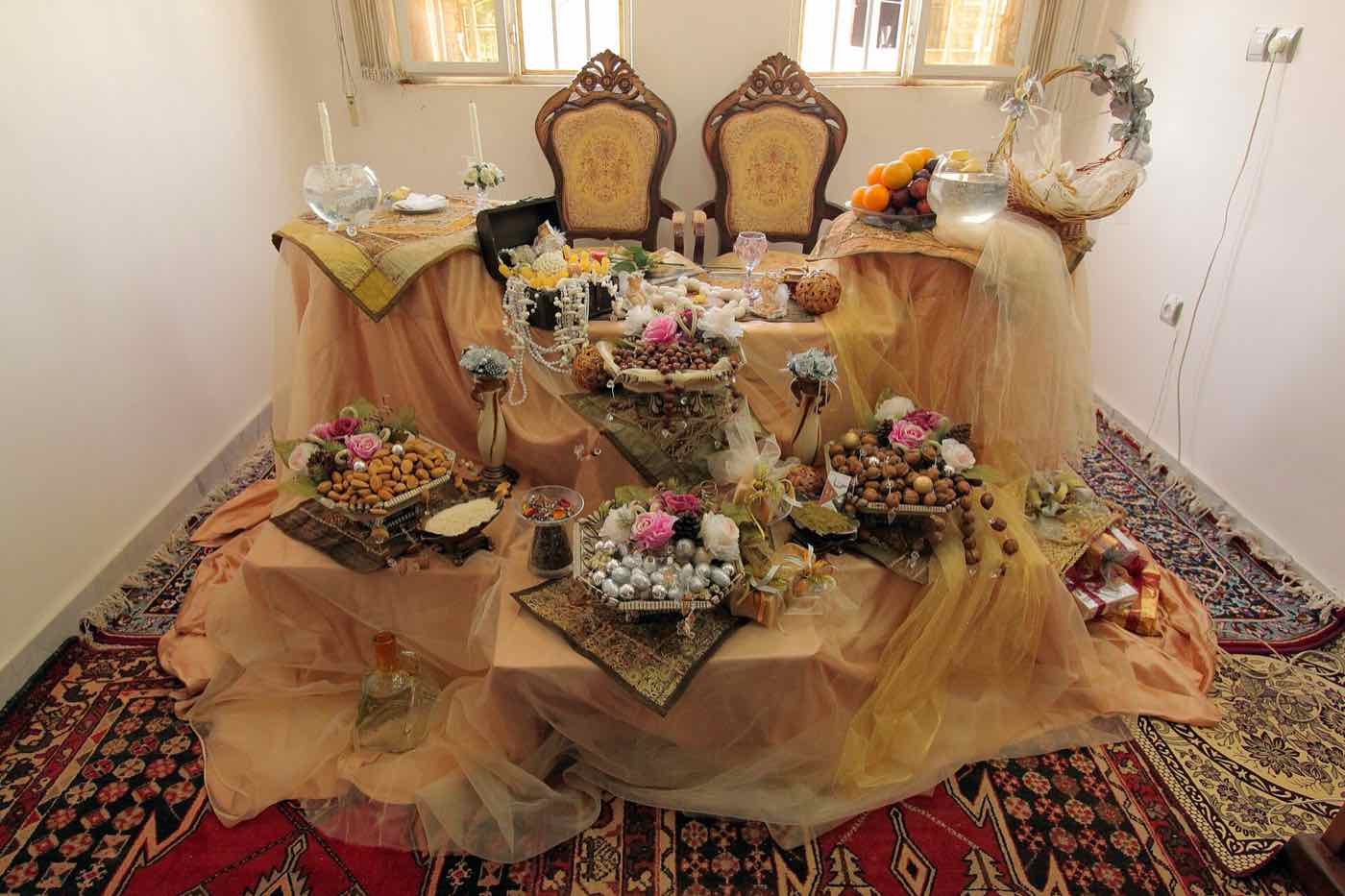
The sprouted wheat or lentils grown for the haft-sin table. On Sizdah Bedar it’s taken outside and released into running water, carrying away the year’s bad luck.
Sabzeh gereh zadan
سبزه گره زدن
Tying a knot in blades of grass while making a wish — traditionally young single women wishing for a partner.
Plenty of couples tie one together now, wishing for the year ahead.
Dorough-e sizdah
دروغ سیزده
“The lie of thirteen.” Harmless pranks played on the day, often compared to April Fool’s.
Kahoo sekanjabin
کاهو سکنجبین
Crisp lettuce leaves dipped in sekanjabin, a sweet-sour mint and vinegar syrup. The signature Sizdah Bedar snack.
There’s an old rhyme that goes with the grass-knot wish — roughly, “Sizdah out the door, next year in a husband’s house, with a baby in my arms.” Today it’s said with a grin far more often than in earnest, but it’s a reminder of how long Sizdah Bedar has been tied up with hopes about love.
8 Sizdah Bedar date ideas
- Pack a Persian picnic for two: kahoo sekanjabin, kuku sabzi sandwiches, fruit, cucumbers with salt, and a thermos of tea.
- Join a big community picnic. In many cities, Persian families gather in the same parks every year — ask around or check local community groups.
- Release your sabzeh together. Bring the sprouts from the haft-sin (or grow a small dish for the occasion) and let them go in a stream or river.
- Tie a knot together. Pick a blade of grass each, make a silent wish, and promise to tell each other next Sizdah Bedar.
- Plan a gentle hike with a picnic at the top. Many Iranians spend the day in the hills, and a walk gives you time to talk.
- Play the classics: backgammon (takhteh), volleyball, badminton or cards — friendly competition is half the day.
- Pull a harmless dorough-e sizdah prank on each other, and decide in advance that the loser buys dinner.
- Long distance? Have matching picnics at the same time and video-call from the grass.
Sizdah Bedar for singles
Of all the Nowruz events, Sizdah Bedar is probably the friendliest to meeting someone new. It’s daytime, outdoors and full of friend groups that merge over the afternoon — someone needs a volleyball player, someone else brought too much food. There’s no seating plan and no awkward goodbye at the door. Our Nowruz dating guide has more on why the season works so well for meeting people.
What to bring: a Sizdah Bedar picnic checklist
| Item | Why it matters |
|---|---|
| Sabzeh from the haft-sin | For the release ritual at the end of the day |
| Lettuce and sekanjabin | The traditional Sizdah Bedar snack |
| Kuku sabzi or kotlet | Easy, travel-friendly Persian picnic food |
| Tea in a thermos, and dates or sweets | Because it isn’t a Persian picnic without tea |
| A rug or blanket | For the long, lazy lunch |
| Backgammon, a ball or cards | For the afternoon games |
| Rubbish bags | Leave the park cleaner than you found it |
Where Sizdah Bedar picnics happen in the diaspora
There’s no single official venue, but the pattern is the same almost everywhere: large city parks with space for blankets, barbecues and ball games, usually near water so the sabzeh can be released. In cities with big Iranian communities, the same parks fill up year after year, and word spreads through family WhatsApp groups, community associations and social media. If you’re new to a city, ask in a Persian community group a week or two before — someone will know where the crowd goes.
Because Sizdah Bedar 2027 falls on a Friday, many diaspora families will celebrate on the day itself and again over the weekend. If the weather is bad, picnics often move to the next dry weekend; the spirit of the day matters more than the exact date.
- Arrive early if you want a good spot; popular parks fill up by late morning.
- Check whether barbecues are allowed in the park you choose.
- Bring something to share — food travels between blankets all afternoon, and that’s half the fun.
Why Sizdah Bedar works for a first or second date
Most first dates involve sitting across a table, making conversation under pressure. Sizdah Bedar removes almost all of that. You’re outdoors, there’s food and games to fill any silence, and there are usually other people around, which makes it a comfortable choice when you’re still getting to know someone. If you met online, suggesting “come to our Sizdah Bedar picnic” is low-stakes and public — and a good way to see how someone gets along with your friends.
If you’d prefer something more private, go for a walk or a smaller picnic for two in the afternoon, after the big family lunch. Bring a sabzeh, release it together, and tell each other one hope for the year. It’s a small ritual, but it makes the day feel like an occasion rather than just another coffee.
And if Sizdah Bedar weather lets you down, as it often does in April, take the picnic indoors: spread a blanket on the living-room floor, put out lettuce and sekanjabin, and play backgammon. The day is about stepping away from the routine together, and that can happen anywhere — the river can wait for the sabzeh until the rain stops.
Frequently asked questions
When is Sizdah Bedar 2027?
Sizdah Bedar 2027 falls on Friday, April 2, 2027 — 13 Farvardin 1406, the thirteenth day after Nowruz (Sunday, March 21, 2027). Many diaspora communities also hold their picnics on the nearest weekend.
What does Sizdah Bedar mean?
Sizdah means thirteen, and bedar is usually understood as “out of the door”. Tradition says the thirteenth day of the new year is unlucky, so people spend it outdoors to leave bad luck behind. In Iran it’s officially called Nature Day.
What do you do with sabzeh on Sizdah Bedar?
The sabzeh grown for the haft-sin is taken on the picnic and, at the end of the day, released into running water to carry away the year’s misfortune. Some people tie a knot in grass first and make a wish.
What do people eat on Sizdah Bedar?
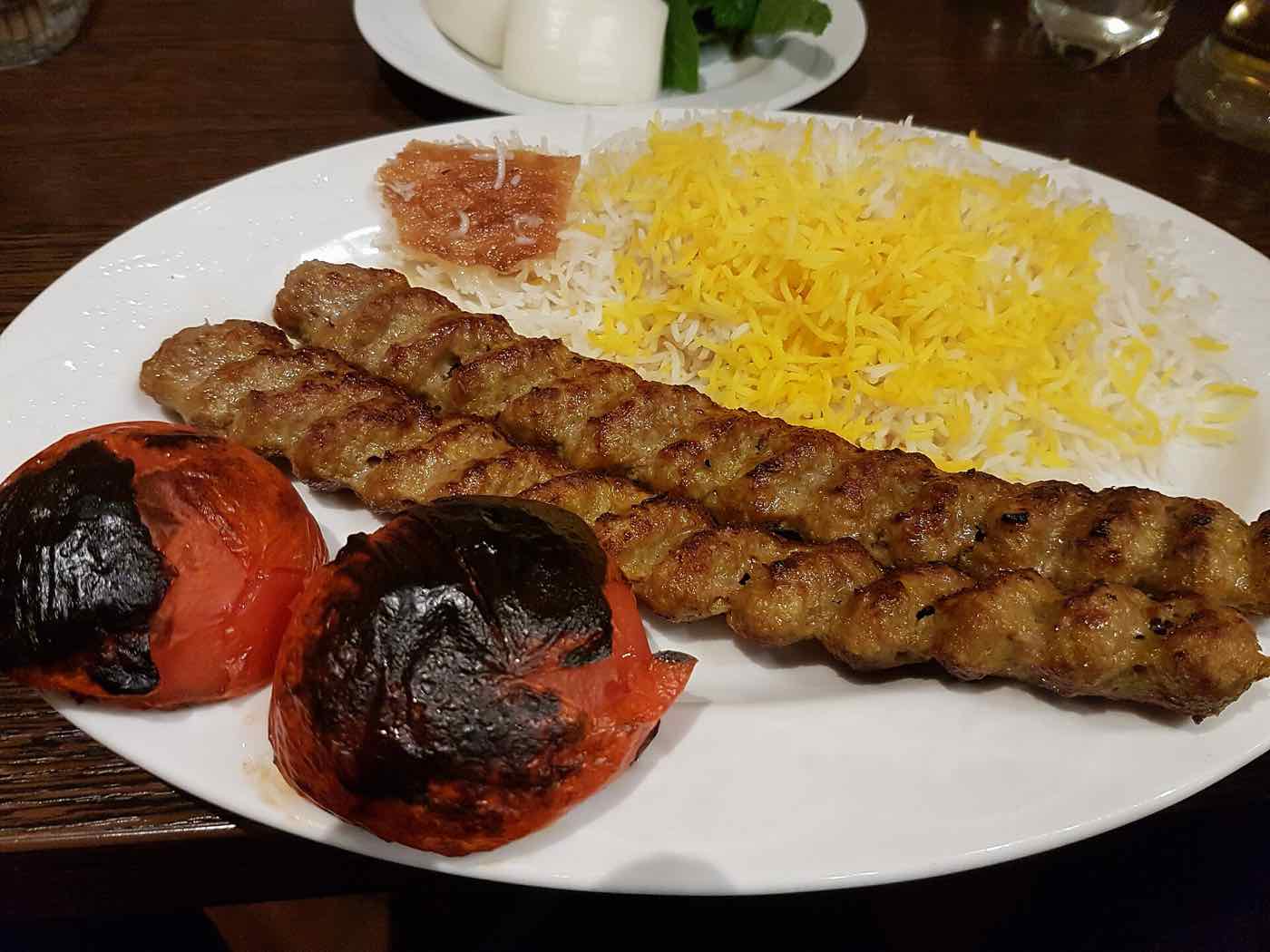
Kahoo sekanjabin — lettuce dipped in mint-vinegar syrup — is the classic. Families also bring ash reshteh, kuku sabzi, kabab, fruit, nuts and plenty of tea. It’s whatever travels well and can be shared.
Why do single people tie grass on Sizdah Bedar?
Tying a knot in grass while making a wish is an old custom, traditionally done by young single women hoping to marry within the year. Today it’s more playful, and couples and friends of any gender tie knots for all kinds of wishes.
If you’d like someone to share kahoo sekanjabin with this spring, the park on Sizdah Bedar is a good place to start — and so is your phone. Delband is a free iPhone dating app for the Persian community, with matches sorted by distance, so the people you see are the ones who might be picnicking a few blankets away.