7 min read ·
Chaharshanbe Suri Date Ideas: The Persian Fire Festival
Chaharshanbe Suri 2027 is the evening of Tuesday, March 16. What the Persian fire festival means, its customs, 7 date ideas, and how to celebrate safely.
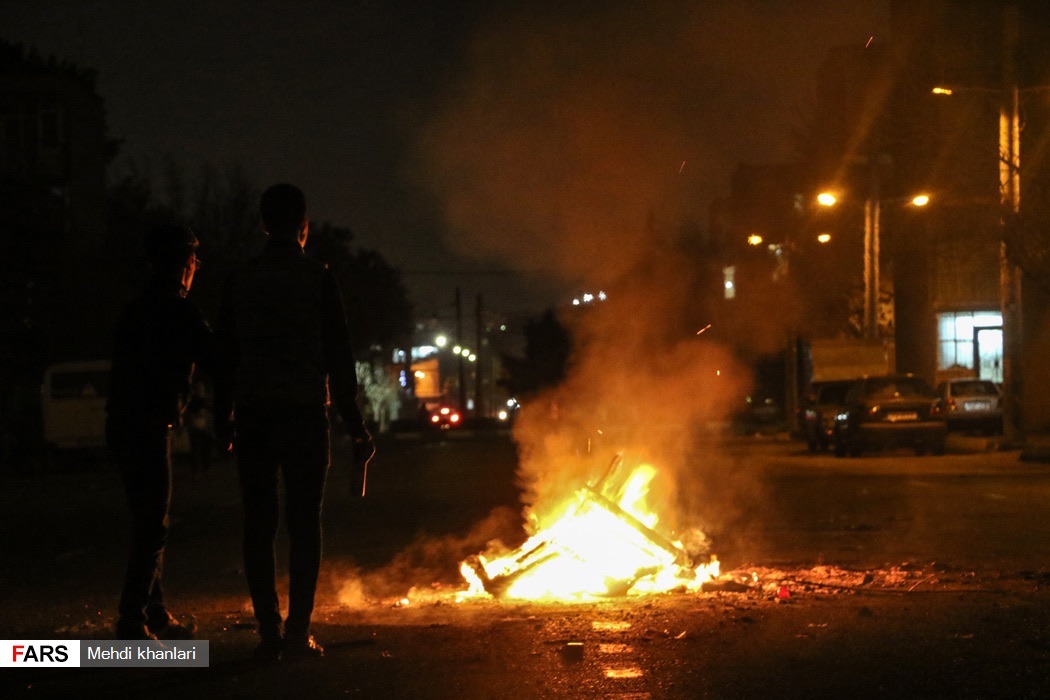
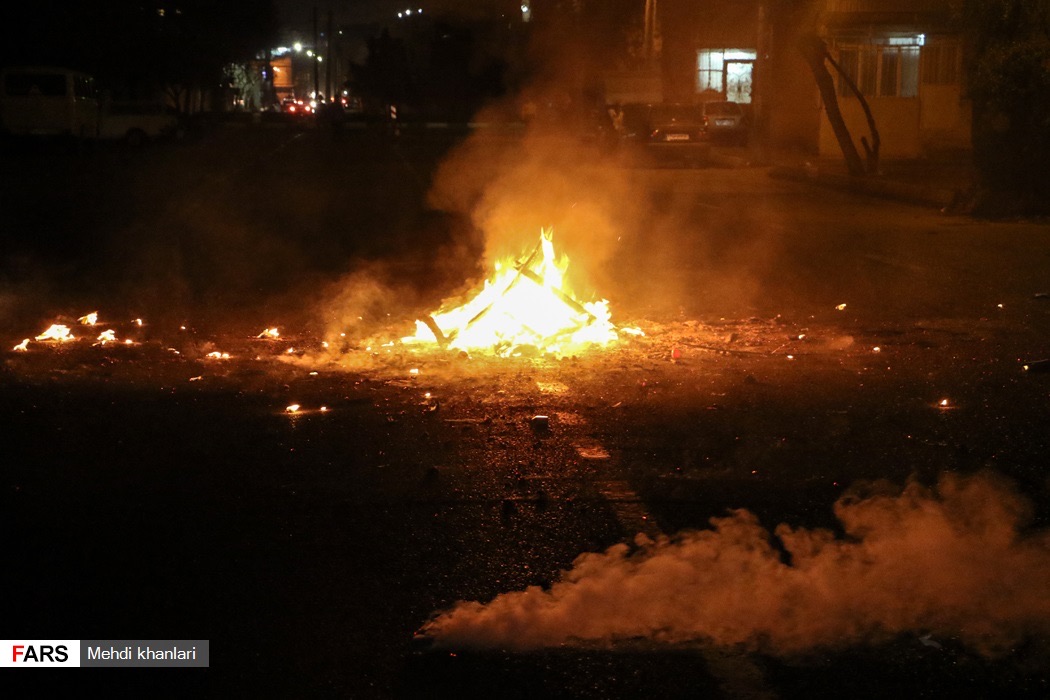
Photo: Mehdi Khanlari / Fars, CC BY 4.0, Wikimedia Commons
By the Delband team
On the last Tuesday night before Persian New Year, Iranians light small bonfires and jump over them, singing a two-line rhyme that asks the fire to take away their sickness and give them its warmth. Chaharshanbe Suri is loud, joyful, a little bit risky and very social — which makes it one of the best nights of the year to go out with someone new, or to bring a partner into the Persian side of your life.
Tue, Mar 16
Chaharshanbe Suri evening in 2027
Wed, Mar 17
The “last Wednesday” of 1405 (26 Esfand)
Sun, Mar 21
Nowruz Day 2027 (1 Farvardin 1406)
What Chaharshanbe Suri is
Chaharshanbe means Wednesday. The festival is held on the eve of the last Wednesday of the Iranian year — so in practice, on Tuesday evening after sunset, since in the Persian way of counting, the evening belongs to the day that follows. Suri is usually explained as “red” or as related to celebration and fire; scholars don’t fully agree. Either way, it’s the opening act of the Nowruz season, a few days before the new year.
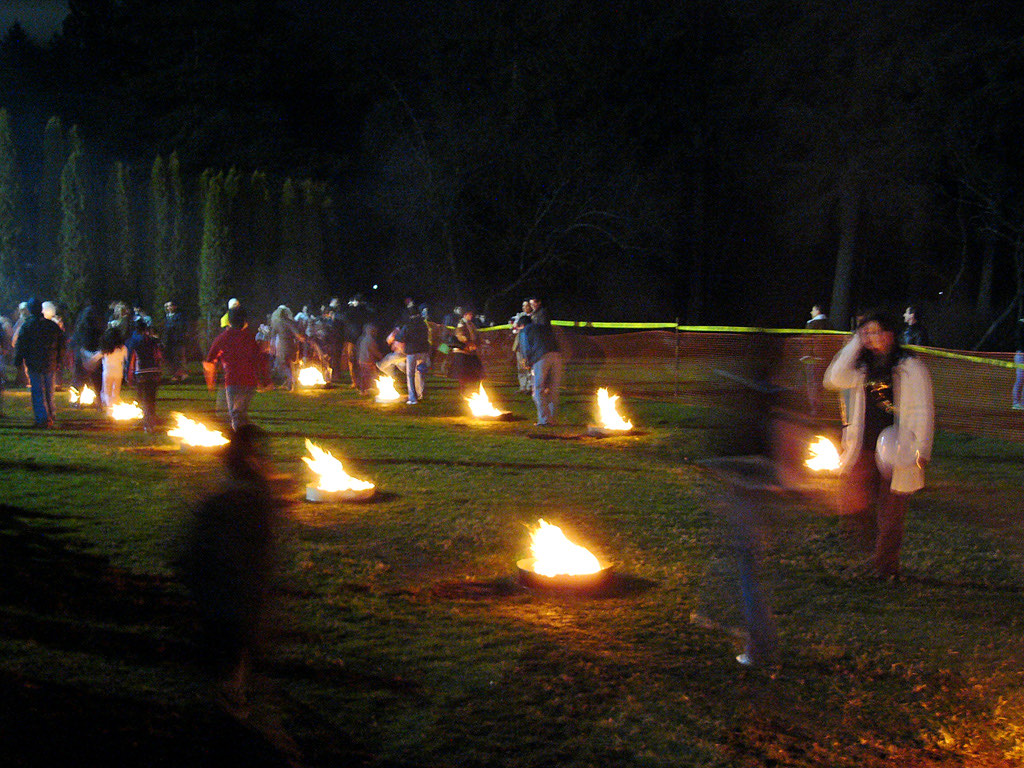
The heart of the night is fire. People build small piles of brushwood, light them and jump over the flames, singing:
Zardi-ye man az to, sorkhi-ye to az man
زردی من از تو، سرخی تو از من
“My yellow [paleness] to you, your red [vitality] to me.”
You hand the fire your sickness and tiredness of the past year and take its warmth and health into the new one.
The customs (beyond the jumping)
Ghashogh-zani
قاشقزنی
“Spoon-banging.” People, often in disguise, go door to door banging spoons on bowls and receive sweets or nuts.
Often compared to trick-or-treating.
Ajil-e moshkel-gosha
آجیل مشکلگشا
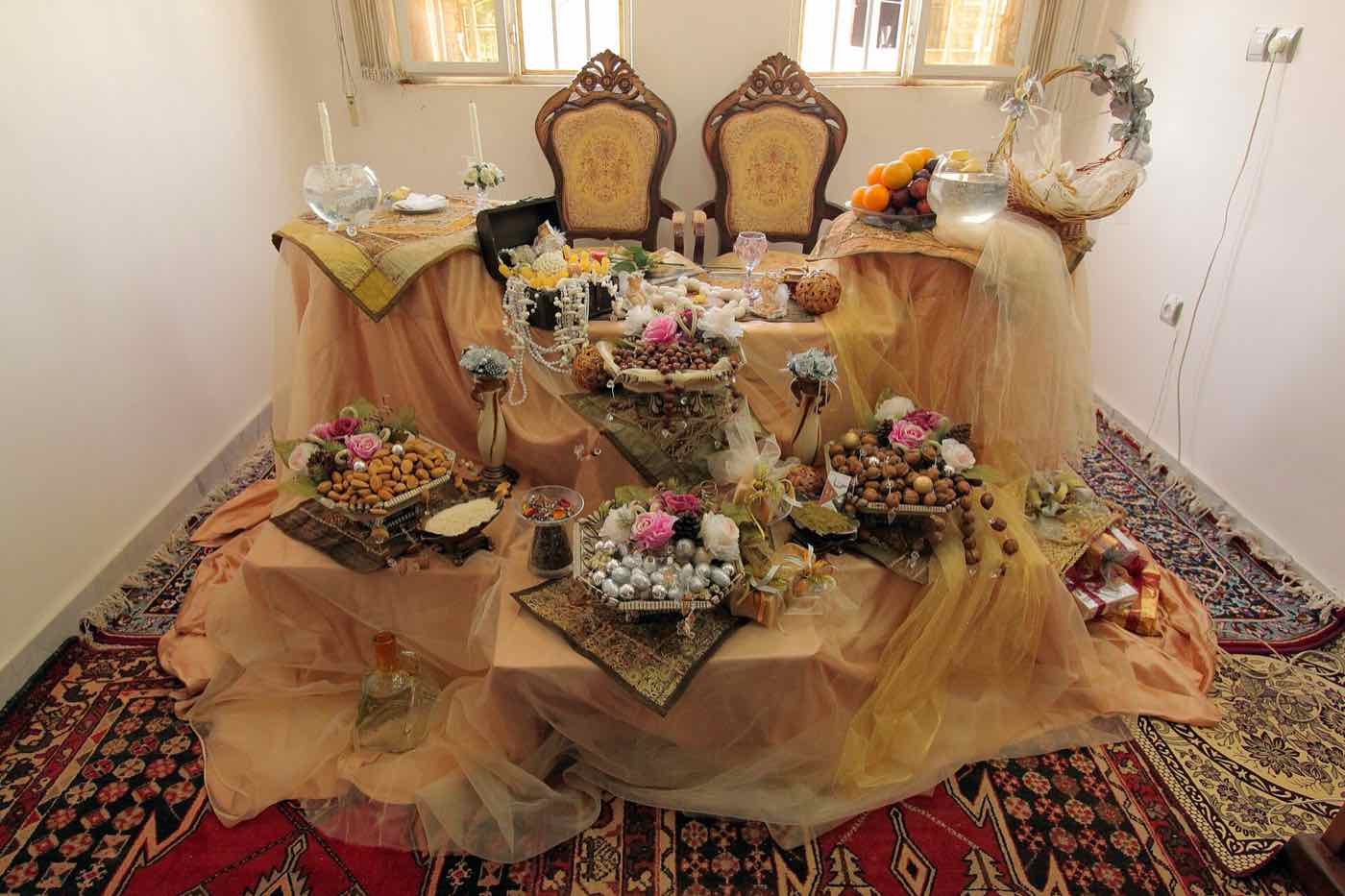
“Problem-solving nuts.” A mix of nuts and dried fruit shared on the night for good luck.
Fal-gush
فالگوش
“Fortune by ear.” Making a wish, then listening to the first words of strangers passing by as your answer.
Traditionally popular with young people wondering about love and marriage.
Koozeh shekastan
کوزه شکستن
Breaking a clay jug from a rooftop to throw out the bad luck of the year.
7 Chaharshanbe Suri date ideas
- Go to a community event. Persian cultural groups in many diaspora cities organise permitted bonfire nights with music and food — often the safest and most fun way to jump the fire.
- Jump together. Holding hands and jumping the same small fire is a classic couple moment. Keep the flames knee-high.
- Make ajil-e moshkel-gosha for two. Buy nuts and dried fruit, mix your own, and share it while you each name a “problem” to leave behind.
- Try fal-gush. Make a wish about the year ahead, walk somewhere busy, and see what the first overheard words tell you. Expect to laugh.
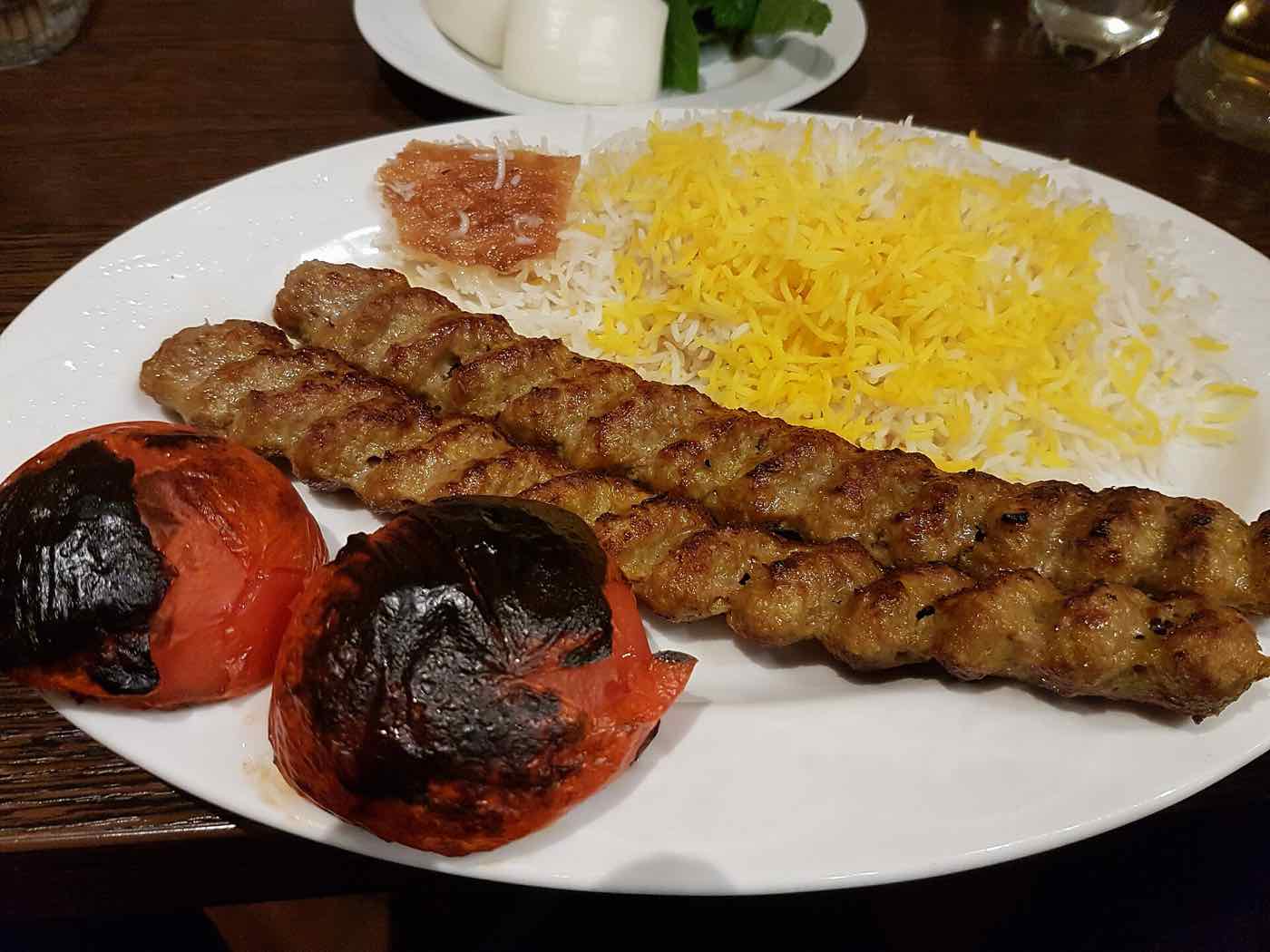
- Cook a Chaharshanbe Suri dinner. Many families eat reshteh polo or ash reshteh around this time — noodles are said to help you “hold the thread” of your life.
- Write and burn. Each write down one thing you want to leave in the old year, and drop it into the fire (where fires are allowed).
- Host a small backyard gathering where local rules allow a fire pit — invite their friends and yours, and teach the rhyme.
Is it a family night or a date night?
Both. Chaharshanbe Suri is less private than Yalda — it’s outdoors, crowded and social — so it’s a natural night to go out with friends, meet new people, or bring someone along to a bigger gathering without the weight of a formal family dinner. If you’re early in dating, suggesting “want to come jump the fire with my friends?” is a gentle invitation. If you’re further along, it’s a relaxed way to introduce someone to cousins before the heavier Nowruz visits.
How to celebrate safely
Every year, Chaharshanbe Suri causes injuries — mostly from homemade fireworks and firecrackers, which have become a big part of the night in some places. A romantic evening goes wrong fast if someone gets burned.
Check local rules
Open fires are restricted in many cities and parks. Community events usually arrange permits; a public beach or park often won’t allow it.
Keep the fire small
A low pile of dry brushwood is traditional. You should be able to step over it, not leap.
Dress for it
Avoid long scarves, loose sleeves and synthetic fabrics. Tie back long hair.
Skip the firecrackers
Homemade explosives are the main cause of serious injuries. The fire and the rhyme are the tradition; the bangs are not.
Have water ready
Keep a bucket or hose nearby and put the fire out fully at the end of the night.
Chaharshanbe Suri and the Nowruz season
The fire festival opens a run of celebrations: Nowruz itself a few days later, two weeks of family visits, and then Sizdah Bedar, the picnic that closes the holidays. If you’re dating, our Nowruz dating guide explains how the whole season works — and why so many Persian singles think of it as a fresh start.
What to bring and wear
- Warm layers in natural fabrics such as cotton or wool — March evenings are cold, and synthetics melt.
- A small bag of ajil or Persian sweets to share; offering snacks is the easiest way to join a group.
- A flask of tea, since you’ll be outside for hours.
- Comfortable shoes you can jump in.
- Cash for food stalls if you’re heading to a community event.
If you’re going with someone new, agree on a meeting point before you arrive — community bonfire nights get crowded and dark, and phone signal can be patchy. It’s also a good idea to tell a friend where you’ll be if it’s an early date; our general advice on meeting safely applies here as much as anywhere.
Chaharshanbe Suri also gives you a natural question to ask a match in early March: “Are you a fire jumper?” Almost every Iranian has a story — a scarf that caught a spark, a grandmother who still jumps, a neighbourhood where spoon-banging was a big deal — and those stories tell you a lot about where someone grew up.
For couples, there’s also something symbolic in jumping together. You’re both handing the past year’s troubles to the fire and stepping into the new one side by side — which is why many people remember the first Chaharshanbe Suri they spent with a partner long after the details of the night have faded.
If you can’t make it to a bonfire at all — bad weather, a fire ban, a long-distance relationship — the night still works at home. Light candles instead of a fire, share a bowl of ajil, teach each other the rhyme, and talk about what you want to leave behind before Nowruz. The ritual is about letting go and starting fresh, and that travels well.
Frequently asked questions
When is Chaharshanbe Suri 2027?
Chaharshanbe Suri 2027 is celebrated on the evening of Tuesday, March 16, 2027, the eve of the last Wednesday (26 Esfand 1405) before Nowruz. Nowruz Day itself falls on Sunday, March 21, 2027.
What does Chaharshanbe Suri mean?
Chaharshanbe means Wednesday in Persian. Suri is usually explained as “red” or as related to fire and celebration, though scholars debate its origin. Together the name refers to the festive eve of the last Wednesday of the Iranian year.
Why do Iranians jump over fire?
Jumping over the fire symbolises leaving the illness and misfortune of the past year behind. As they jump, people sing “zardi-ye man az to, sorkhi-ye to az man” — “my paleness to you, your redness to me” — taking the fire’s warmth and health into the new year.
Is Chaharshanbe Suri a religious holiday?
No. It’s a pre-Islamic Iranian folk festival celebrated by Iranians of all faiths and none. It’s part of the wider Nowruz season rather than any religious calendar.
Is Chaharshanbe Suri a good date idea?
Yes — it’s social, outdoors and full of shared rituals, so there’s always something to do and talk about. A community bonfire event is a low-pressure way to go out together, meet each other’s friends, and enjoy the start of the Nowruz season.
If you’d like someone to jump the fire with this March, start talking before the season gets busy. Delband is a free iPhone dating app for the Persian community, with distance-sorted matches and city chat rooms where plans for local Chaharshanbe Suri nights tend to come together.