7 min read ·
Dating Someone with Family in Iran: A Practical Guide
Dating someone with family in Iran? A practical guide to time zones, calls, visas, travel advisories and the emotional side — current as of November 2026.
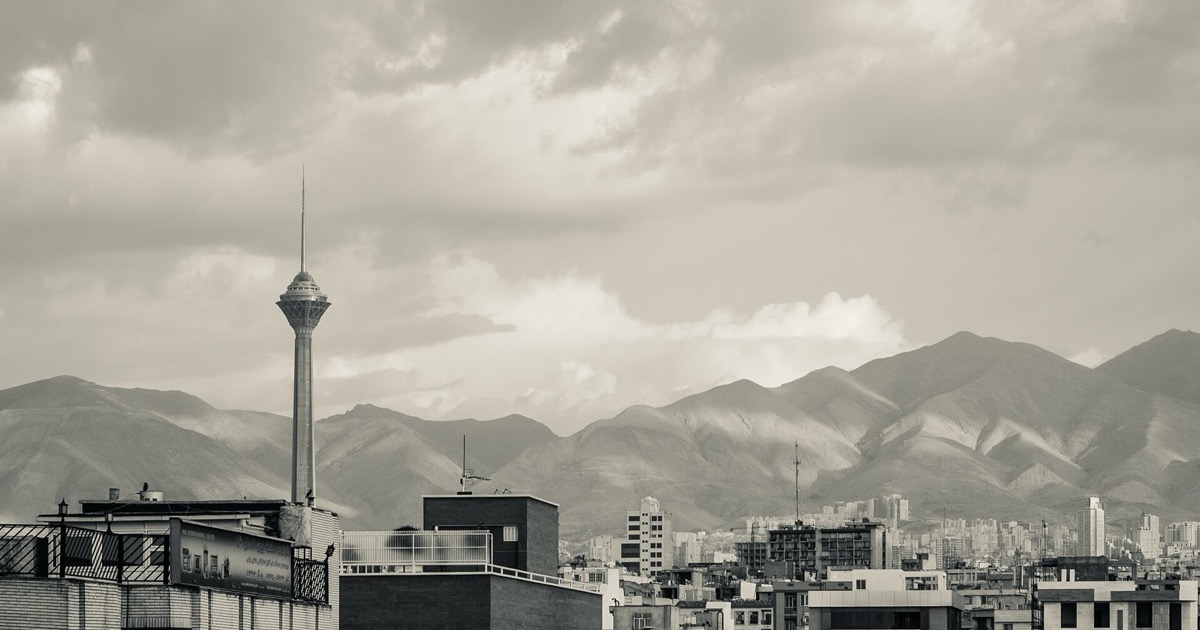
Photo: Julia Maudlin, CC BY 2.0, Wikimedia Commons
By the Delband team
If you're dating someone with family in Iran, part of your relationship runs on another clock. Calls happen at odd hours, news from home can change the mood of a whole week, and questions like “Can your parents come to the wedding?” have complicated answers. This practical guide covers the time difference, staying in touch, what official travel advisories and visa rules say as of November 2026, and — most importantly — how to be a supportive partner through all of it. It's written to be useful whatever your or your partner's views, and it isn't legal or travel advice.
The time difference: Iran is UTC+3:30 all year
Iran uses Iran Standard Time, three and a half hours ahead of UTC, and stopped observing daylight saving time in 2022. That means the gap between you and your partner's family shifts whenever your own clocks change. Friday is the main weekend day in Iran, so a Friday morning call there is often a Thursday night for you in North America.
| City | Nov–Mar (northern winter) | Apr–Oct (northern summer) |
|---|---|---|
| Los Angeles / Vancouver | 11.5 hours behind Tehran | 10.5 hours behind |
| Toronto / New York | 8.5 hours behind | 7.5 hours behind |
| London | 3.5 hours behind | 2.5 hours behind |
| Sydney / Melbourne | 7.5 hours ahead | 6.5 hours ahead |
In practice, families in North America and Iran often settle into early-morning or late-evening calls. If you're the partner who isn't calling home, learning the rhythm — and not scheduling date night on top of the one window that works — is a small kindness that gets noticed.
Staying connected when the connection isn't reliable
The UK Foreign Office notes that Iranian authorities have restricted or shut down internet and mobile services in the past. During those periods, your partner may go hours or days without hearing from family, and that uncertainty is stressful. A few things help: agree as a family on a fallback (a landline, a relative in another city, a message passed through someone abroad), don't take your partner's distraction personally, and avoid pressing for details over messaging apps. When news is heavy, ask what they need — company, distraction or space — instead of guessing.

Travel to Iran: what official advisories say (November 2026)
| Government | Current advice | Worth knowing |
|---|---|---|
| United States | Level 4: Do Not Travel, the highest level | There is no US embassy in Iran; the Swiss Embassy in Tehran acts as the US protecting power. |
| Canada | Avoid all travel | Canada has no embassy in Iran, so consular help is extremely limited. |
| United Kingdom | Advises against all travel | The FCDO says British-Iranian dual nationals face a very high risk of arrest, detention and questioning. |
Whether to travel is your partner's decision to make with their family, based on their own circumstances and passports. The most helpful thing you can do is not add pressure in either direction — neither “you have to go” nor “you can't go” — and help them find current, official information.
When family wants to visit you
Visits in the other direction have become harder too, especially for the United States. Under presidential proclamations issued in June 2025 and expanded in December 2025, entry for Iranian nationals on most new immigrant and non-immigrant visas has been suspended. From January 1, 2026, the earlier exception for immediate relatives of US citizens applying for immigrant visas was removed, according to summaries from immigration advocates such as NIAC. Green card holders are not directly affected, visas issued before the ban took effect generally remain valid, and a few narrow exceptions and case-by-case waivers exist. If a visit or a future wedding depends on this, talk to an immigration attorney rather than relying on forums or relatives' experiences.
Canada, the UK and Australia require Iranian citizens to obtain a visitor visa, and processing can take a long time, so applications for weddings or graduations should start well in advance. Many families meet in a third country instead. Turkey and Armenia have generally allowed Iranian passport holders short visa-free stays, which is why Istanbul and Yerevan are common places for reunions — but check the current entry rules and travel advice for everyone travelling before you book.

Money, sanctions and a scam warning
Sending money to family in Iran is legally complicated from many countries. In the US, transactions involving Iran are governed by Treasury sanctions rules, and the permitted routes are narrow and specific, so it's worth getting professional advice rather than improvising. Those real complications are also why scammers love stories about “stuck” inheritances or relatives who urgently need money through an intermediary. If someone you've met online brings up money connected to Iran, read our guide to romance scams targeting Persian singles before doing anything.
The emotional side: worry, distance and the news
For many Iranians abroad, family in Iran is a constant low hum of love and worry. Your partner may feel guilty about the life they have, grieve milestones they've missed, or be on edge during periods of unrest or conflict. They may also hold views about Iran that differ from yours, or from their own relatives' — and that's theirs to share when they choose. Our guide to talking politics and religion early in dating has more on handling those conversations with care.
Ask, don't assume
“Do you want to talk about it, or would you rather I distracted you?” is often the most supportive sentence you can say on a heavy news day.
Learn the names
Remember who's who — Maman, Baba, the grandmother in Isfahan, the cousin who's always on video calls. It shows you take their family seriously.
Join a call when invited
A short “Salam, khoshbakhtam” on a video call with their parents can mean a lot. Our guide to learning Farsi for your partner can help.
Be flexible about timing
Nowruz calls, birthdays in another time zone and urgent check-ins will sometimes win over your plans. That flexibility is part of the relationship.
Don't debate their grief
When your partner is upset about news from home, it isn't the moment to argue about politics. Listen first.
Meeting the family across a screen
When family can't easily travel, the first “meet the parents” moment may be a video call. Treat it like a visit: pick a time that suits them, dress as you would for dinner, greet the eldest first, and let your partner lead. Keep it short, warm and focused on getting to know each other. Our guide to meeting Persian parents covers the etiquette, most of which translates perfectly to a screen. For couples who also live apart from each other, see our guide to long-distance Persian relationships.
Frequently asked questions
What is the time difference between Iran and the US?
Iran is UTC+3:30 year-round and no longer observes daylight saving time. Tehran is 8.5 hours ahead of New York and 11.5 hours ahead of Los Angeles during US standard time, and 7.5 and 10.5 hours ahead respectively while the US is on daylight saving time.
Can I travel to Iran to meet my partner's family?
As of November 2026, the US rates Iran Level 4: Do Not Travel, Canada advises avoiding all travel, and the UK advises against all travel, with particular warnings for dual nationals. Check your own government's current advisory before considering any trip; many couples meet family in a third country instead.
Can family members from Iran get a US visa to visit?
As of November 2026, most new immigrant and non-immigrant visas for Iranian nationals are suspended under presidential proclamations, and the immediate-relative exception was removed from January 2026. Limited exceptions and case-by-case waivers exist. Rules change, so consult an immigration attorney before planning a visit or a wedding around one.
Where do families meet if they can't travel to each other?
Many Iranian families reunite in third countries. Turkey and Armenia have generally allowed Iranian passport holders short visa-free stays, so Istanbul and Yerevan are common choices. Entry rules and travel advice can change for both sides, so check official sources for everyone travelling before booking.
How do I support a partner who is worried about family in Iran?
Ask what they need rather than assuming, stay flexible around calls with home, learn their family members' names, and listen without debating when the news is hard. Practical help — keeping the evening free, handling dinner, sitting with them while they wait for a call — often matters more than the right words.
Dating someone who understands why the phone stays face-up during a family call can make all of this feel lighter. Delband is a dating app for the Persian community, with nearby matches, in-app video calls and city chat rooms where people across the diaspora connect. It's free to download on iPhone.