7 min read ·
Talking Politics on a First Date (and Religion, Too)
Should you talk politics on a first date? A guide for Persian singles on raising politics and faith early — what to ask, what to skip and how to disagree well.
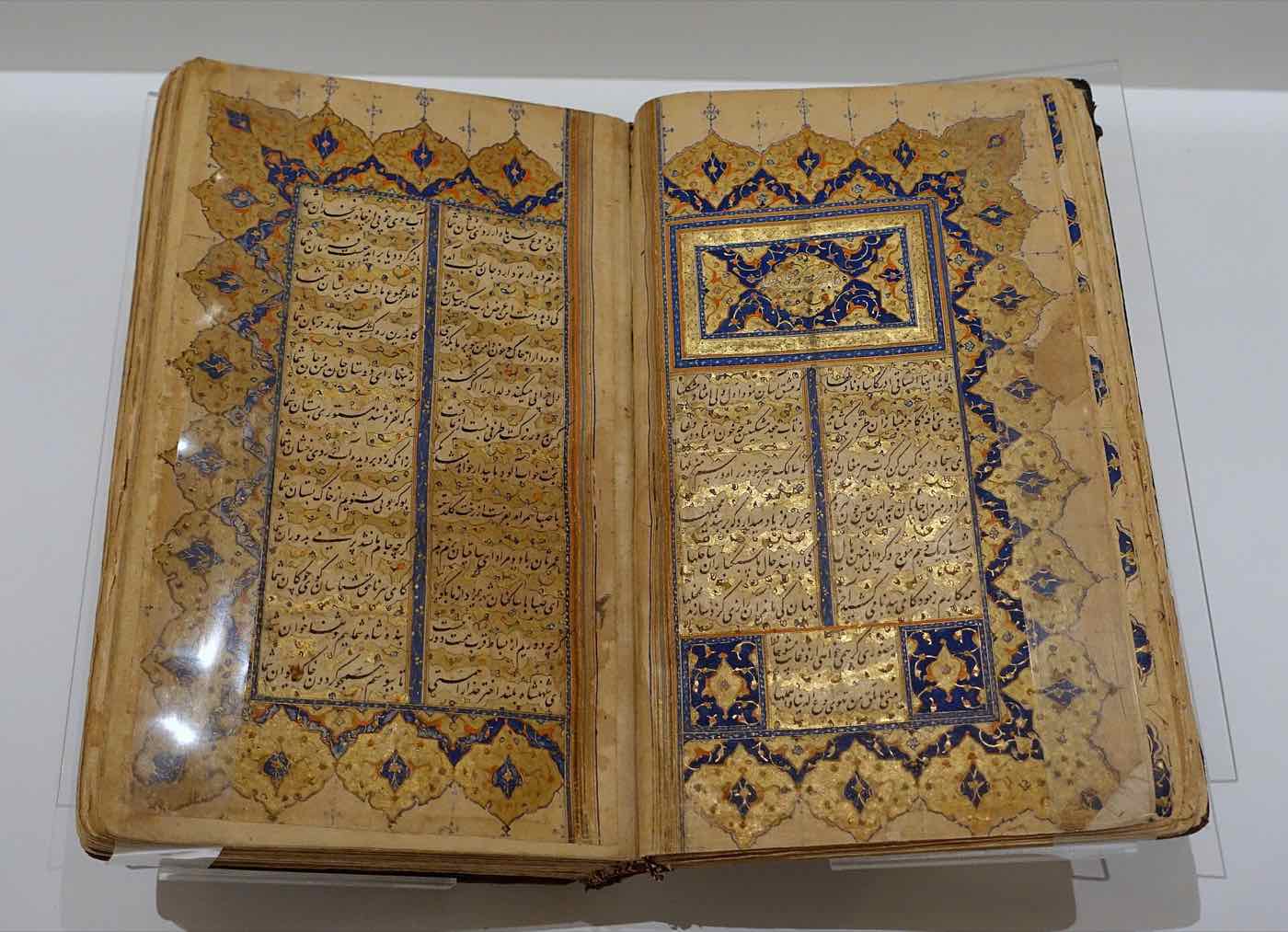
Photo: Ninara, CC BY 2.0, Wikimedia Commons
By the Delband team
Talking politics on a first date has a reputation as the fastest way to ruin one. For Persian singles, politics and religion are rarely abstract: they're tied to family history, migration stories and relatives' lives, which makes them both more important to understand early and more painful to get wrong. The answer isn't to avoid them forever, or to open with a debate. It's to talk about values early and gently, save the arguments for later, and learn how to disagree without contempt. Here's how.
Why politics and religion feel heavier in Iranian dating
The Iranian diaspora is remarkably diverse. Within it you'll find practising Muslims and secular Muslims, Jewish, Baha'i, Armenian and Assyrian Christian and Zoroastrian Iranians, atheists, and many people who describe themselves as culturally Persian more than religious. Families left at different times and for different reasons, and parents' views were shaped by the experiences they lived through. Two people with the same love of tahdig can hold very different views on faith and politics — and so can their families. Our guides to Persian Jewish dating, Iranian Armenian dating and interfaith relationships in Iranian families explore some of these communities in more depth.
Should you talk politics on a first date?
Talk about values, not headlines. What you need to know early is whether your lives could fit together — how you treat people, what role faith plays, how you see family and the future. What can wait is a point-by-point debate about the news. A first date is for finding out whether you enjoy each other's company; a heated argument about current events tells you less about compatibility than you might think, and it can end a promising connection before it starts.
| Topic | Fine to raise early | Usually better later |
|---|---|---|
| Faith | “What role does faith play in your life, if any?” | Detailed theology, or how children would be raised |
| Politics | What issues they care about and why | Debating specific politicians, elections or news events |
| Iran | Whether they have family there, if they want to share | Their views on the government or the country's future |
| Family | How involved their family is in their life | Specific expectations about weddings, in-laws or living arrangements |
| Deal-breakers | Anything that would genuinely end it for you — kindly, early | Nothing; deal-breakers shouldn't wait |
Values questions that tell you what you need to know
These questions get at what matters without turning a date into a debate. Many of them also appear in our list of 50 questions to ask on a dating app.
- “What role does faith or spirituality play in your daily life, if any?”
- “Which holidays matter most to you, and how do you celebrate them?”
- “What's something you care about that you'd like a partner to understand?”
- “How similar are your views to your family's — and how do you handle it when they differ?”
- “What's something you've changed your mind about in the last few years?”
- “How do you like to handle disagreements with people you're close to?”
How to bring up politics or religion without starting an argument
Go first, briefly
Share a little about where you stand and why it matters to you, in a sentence or two. It sets the tone: personal, not combative.
Ask about experience, not positions
“How did your family's story shape how you see things?” invites a story; “What do you think about X?” invites a debate.
Listen to understand
Your goal on a date isn't to change their mind. It's to understand whether your values can sit comfortably next to each other.
Notice how, not just what
Are they curious about your view? Can they disagree without mocking? The way someone handles difference tells you a lot.
Know when to change the subject
“I'd love to hear more about this another time” is a perfectly graceful exit. Not everything needs resolving on date one.
Religion: practice, identity and family
When it comes to faith, labels say less than daily life. Two people who both say “I'm Muslim,” “I'm Jewish” or “I'm not religious” can live very differently. More useful questions are about practice and meaning: Do you pray or attend services? Do you fast? Which holidays do you keep? What would you want for children, if you want them? How would your family feel about a partner from a different background? None of these need to be settled on a first date, but if faith is central to your life, it's kinder to both of you to raise it before you're deeply invested. If you're dating with marriage in mind, our guide to Persian dating for marriage covers how these conversations evolve.
When you disagree
Plenty of happy couples vote differently or practise their faith differently. What matters is whether the disagreement is about how you live together, and whether you can both hold it with respect. Ask yourself: Does this difference affect our daily life, our families or our future children? Can we each explain the other's view fairly? Do I feel respected when we talk about it? If the answers are yes, the difference may be something you can live with — or even learn from.
Human beings are members of one another, created from a single essence.
— Saadi, Golestan (بنیآدم اعضای یکدیگرند), our own literal translation
Families, politics and the long view
Even if the two of you see eye to eye, your families may not. Parents' views are often shaped by experiences you didn't live through, and it's usually wiser to listen than to argue at the dinner table — our guide to meeting Persian parents recommends steering clear of politics on a first visit for good reason. If your partner has relatives in Iran, conversations about the country can also carry real worry for people they love; our guide to dating someone with family in Iran looks at how to be supportive.
Frequently asked questions
Is it okay to talk about politics on a first date?
It's fine to talk about values and the issues you care about, briefly and with curiosity. Debating specific politicians or news events is usually better left until you know each other. If a political view is a genuine deal-breaker for you, it's kinder to raise it early — calmly, and without turning it into an argument.
How do I ask someone about their religion on a dating app?
Ask about practice and meaning rather than labels: “What role does faith play in your life, if any?” Share your own answer too, and accept theirs without debating it. If faith is central to your life, raise it within the first few conversations rather than after weeks of chatting.
Can a relationship work if you have different political views?
Yes, many do. It tends to work when the differences don't affect how you want to live day to day, when both people can describe the other's view fairly, and when disagreements stay respectful. It's much harder when one person treats the other's views with contempt.
Should I put my religion on my dating profile?
If faith shapes your daily life or you're looking for someone who shares it, a short line in your profile helps the right people find you. Describe how you practise rather than setting rules for others. If religion isn't central for you, saying that can be just as useful.
What if my partner's family has very different political views from mine?
Keep family gatherings about family, especially early on. You don't need to agree with your partner's parents, but listening respectfully and not debating at the dinner table goes a long way. Talk with your partner privately about how you'll both handle the topic when it comes up.
Shared culture doesn't mean identical views, and it doesn't have to. Delband is a dating app for the whole Persian community — whatever your faith, background or politics — with nearby matches and city chat rooms where you can get a feel for people before you match. It's free to download on iPhone.