7 min read ·
Armenian Iranian Dating: Heritage, Glendale and Family
Armenian Iranian dating brings together two rich heritages. Learn about Parskahay history, Glendale's community, family expectations and where to meet.
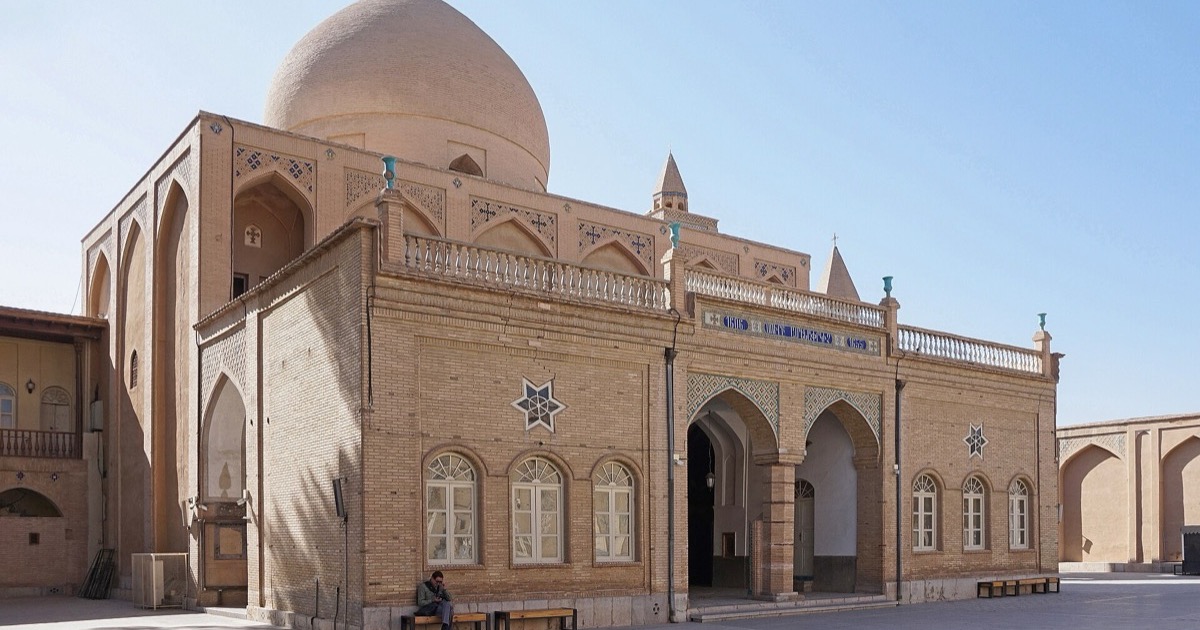
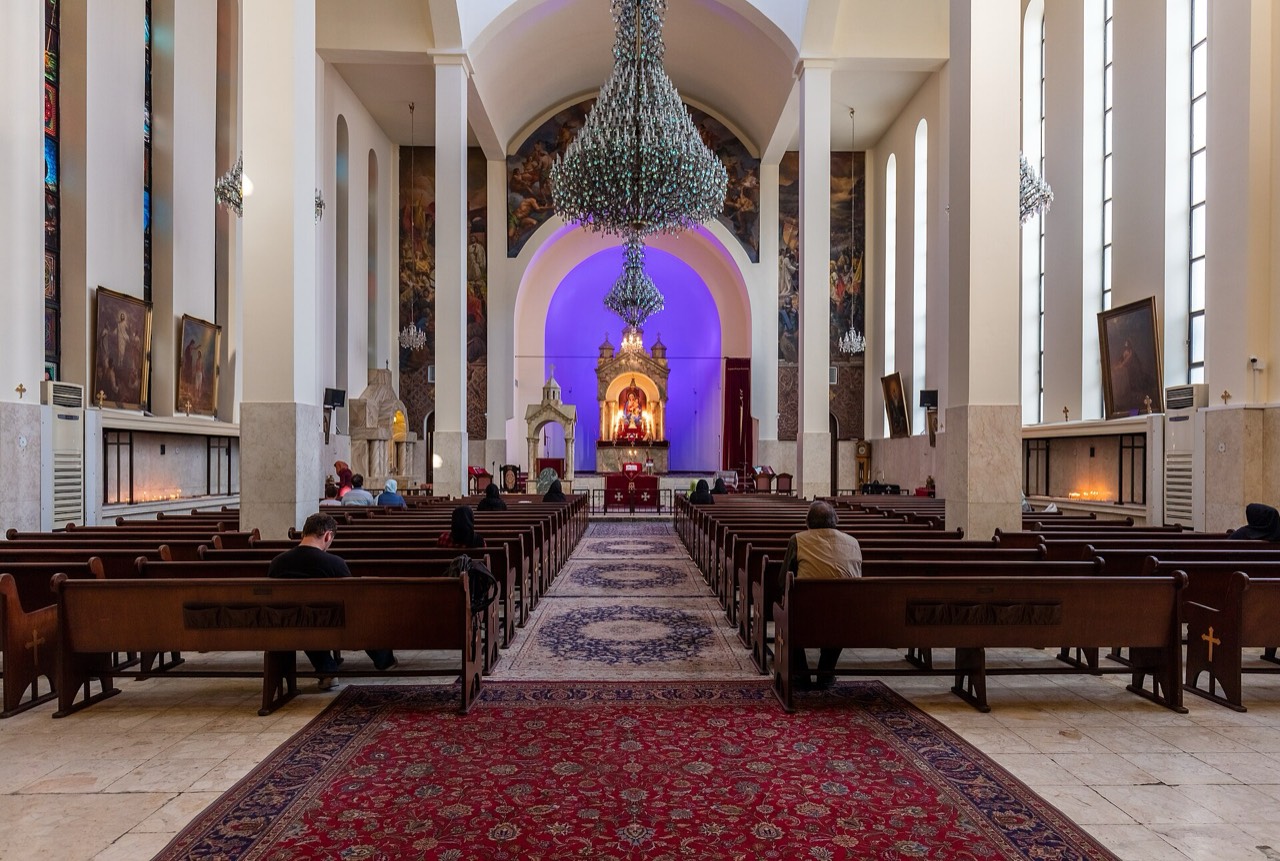
Photo: Bernard Gagnon, CC BY-SA 4.0, Wikimedia Commons
By the Delband team
Armenian Iranian dating sits at the meeting point of two old cultures. If you are an Iranian Armenian, a Parskahay, you may switch between Armenian at church, Farsi with your grandparents' friends and English at work, sometimes in the same sentence. You grew up with Armenian Christmas in January and Nowruz in March, with dolma and ghormeh sabzi on the same table. Finding a partner who understands that mix is not always easy. This guide covers the community's history, its home in Glendale, family expectations, and practical ways to meet.
1605
New Julfa, Isfahan's Armenian quarter, founded under Shah Abbas I
7,700
Iran-born Armenians in LA in the 1980 census, then the largest foreign-born group of LA Armenians
~34%
of Glendale residents report Armenian ancestry (American Community Survey estimates)
Who are Iranian Armenians?
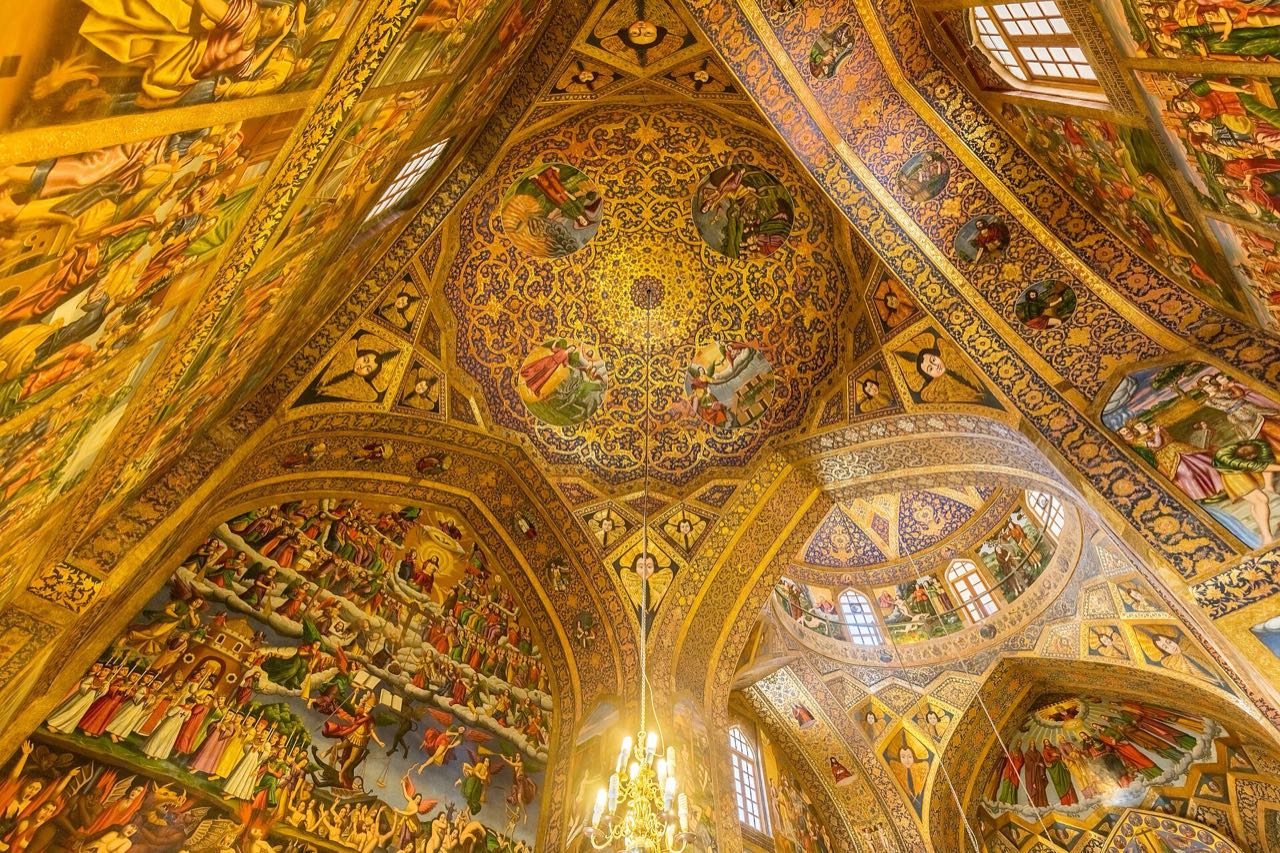
Armenians have lived in what is now Iran for many centuries. The best-known chapter began in the early 1600s, when Shah Abbas I forcibly relocated large numbers of Armenians from the Caucasus during his war with the Ottomans. Many were settled on the banks of the Zayandeh River in Isfahan, where New Julfa was built for them from 1605. New Julfa became a wealthy merchant centre, and it is still an Armenian neighbourhood today, home to the Vank Cathedral. Vank simply means monastery in Armenian.
By the 20th century Tehran had become the community's largest centre, with institutions such as St. Sarkis Cathedral. Estimates suggest around 200,000 Armenians lived in Iran in the period around the revolution. Many emigrated after 1979 and during the Iran–Iraq War, and today estimates for Iran vary widely, often in the range of 60,000 to 80,000.
Parskahay
Պարսկահայ
Persian Armenian; an Armenian from Iran
Plural: parskahayer.
Nor Jugha
Նոր Ջուղա
New Julfa, the historic Armenian quarter of Isfahan
Vank
Վանք
Monastery; the name of Isfahan's Armenian cathedral
Armani
ارمنی
Armenian (in Persian)
Sirum em kez
Սիրում եմ քեզ
I love you (Eastern Armenian)
Glendale and the Armenian Iranian community in Los Angeles
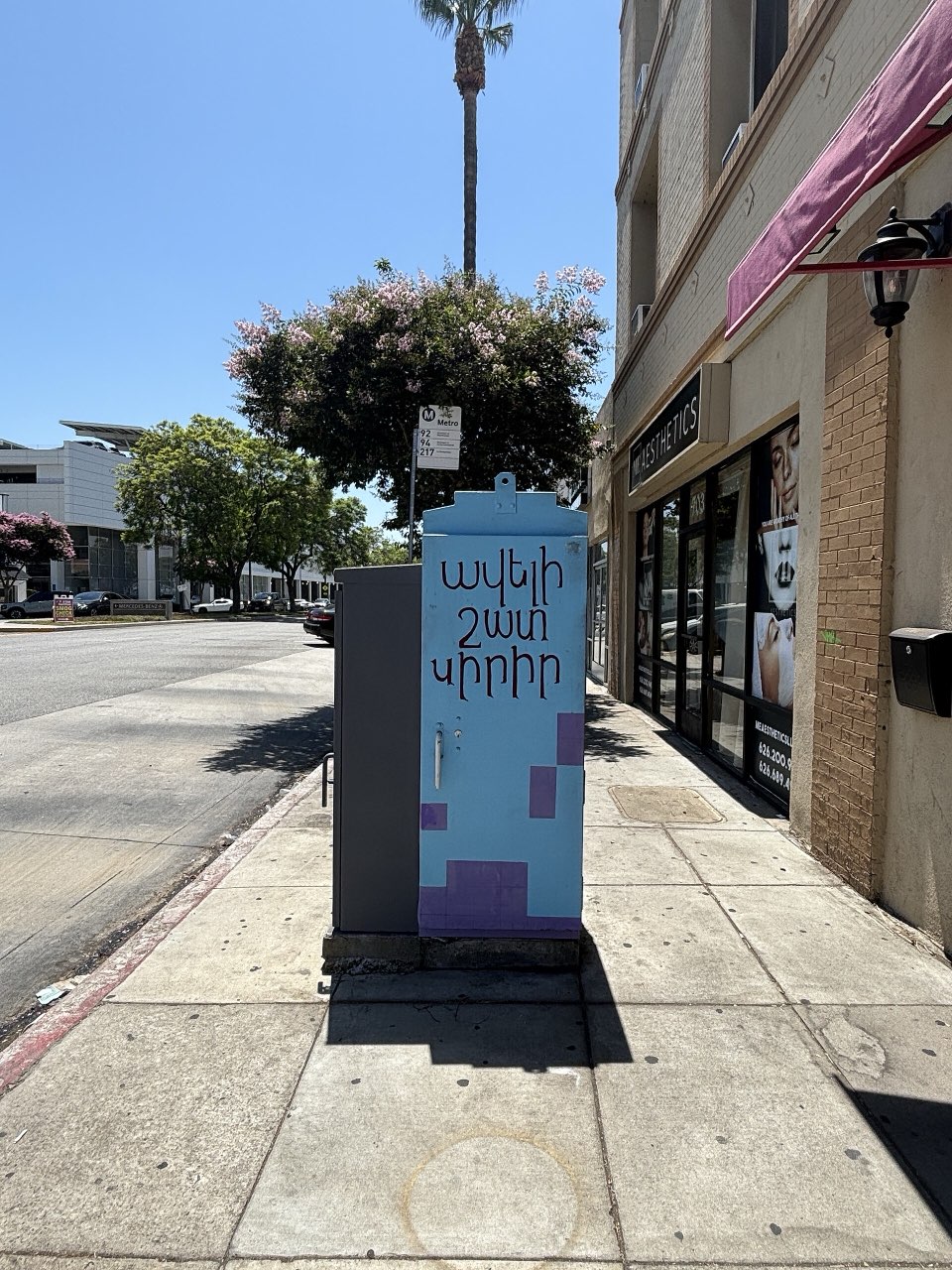
Los Angeles has the largest Armenian community outside Armenia, and Iranian Armenians played a big part in building it. In the 1980 census, of about 37,700 foreign-born Armenians in Los Angeles, roughly 7,700 had been born in Iran, more than from any other country at the time. Many settled first in Hollywood and later in Glendale, which by the 1990s had become a centre for Armenians from Iran. Today American Community Survey estimates put about a third of Glendale's residents as having Armenian ancestry.
Community institutions reflect that history. The Ararat chapter of Homenetmen, the Armenian scouting and athletic organisation, was formed in Glendale by Armenians who had relocated from Iran. Ararat Home, founded in 1949, cares for Armenian seniors at campuses including one in Glendale. Walk down Brand Boulevard and you will hear Armenian, Farsi and English, often from the same group of friends.
That mix shapes dating in quiet ways. Many Iranian Armenians in Los Angeles have close Iranian friends of other faiths from school or from their parents' generation in Tehran, and also strong ties to Armenians whose families came from Lebanon, Syria, Armenia or elsewhere. Dialects, recipes and family stories differ between those groups, and so do some customs around engagement and weddings. None of this is a barrier, but it is worth being curious about. Asking a match where their grandparents lived, which church their family attends and which languages they speak at home will tell you a great deal, and usually starts a long, happy conversation.
Family expectations in Armenian Iranian dating
Families differ, but many Iranian Armenian parents hope their children will marry someone Armenian, and many expect a church wedding, usually in the Armenian Apostolic Church. Some are delighted by a partner who is also Parskahay, because so much is shared: the same food, the same Farsi jokes, the same memories of Tehran or Isfahan passed down by grandparents. Others are happy with any Armenian partner, whether their family came from Iran, Lebanon, Syria or Armenia itself.
| Pairing | What's shared | What to talk through |
|---|---|---|
| Parskahay + Parskahay | Language mix, food, family history in Iran | Usually little; families often know each other's circles |
| Parskahay + Armenian from elsewhere | Church, Armenian identity, language | Different dialects, foods and diaspora histories |
| Parskahay + Iranian of another faith | Persian culture, Farsi, Nowruz | Religion, wedding rites, how children are raised |
| Parskahay + non-Armenian, non-Iranian | Shared values and life plans | Explaining both heritages to a new family |
A calendar with two sets of holidays
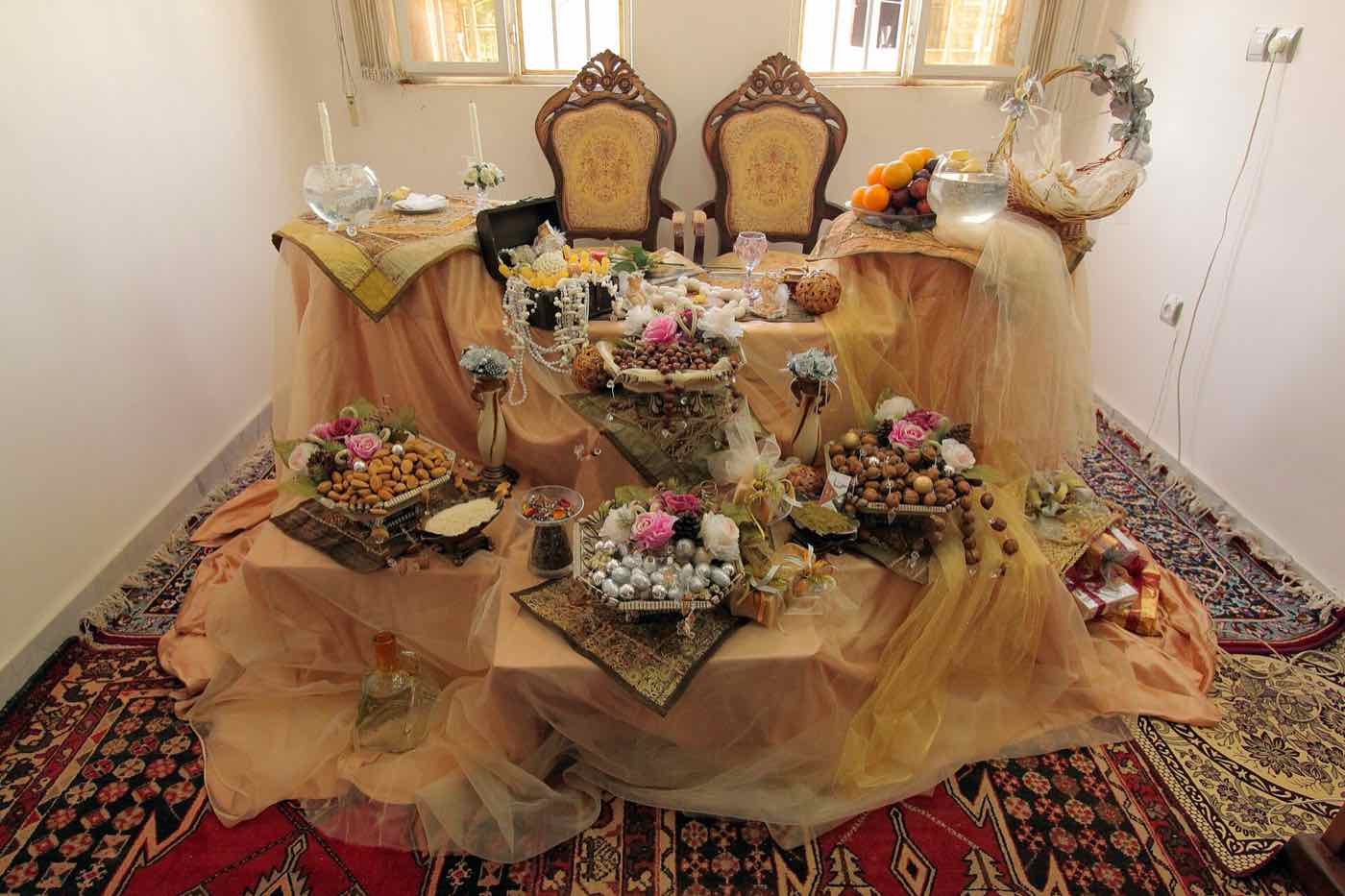
One of the joys of Armenian Iranian dating is the calendar. The Armenian Apostolic Church celebrates Christmas on January 6, and Easter is a major family occasion. Many Parskahay families also celebrate Nowruz in March and gather for Yalda in December. April 24, the day of remembrance for the Armenian Genocide, is a solemn day of commemoration across Glendale and the wider community, and a partner who understands its meaning will be appreciated.
- A first Nowruz or Armenian Christmas together is a natural moment to meet extended family.
- If your partner's family is Iranian Muslim, you may be welcomed to a Yalda night or Nowruz table; bring sweets or flowers.
- Ask before assuming how observant someone's family is; it varies a great deal.
- Learn a few words in each other's languages. A simple Armenian or Farsi greeting goes a long way with grandparents.
Where Iranian Armenian singles meet
Church, Armenian schools, Homenetmen and other community organisations remain central to social life, and many couples still meet through friends of friends. Weddings, christenings and community events are classic places to be introduced. Apps fill the gaps, especially for people who live outside Glendale or have moved away. On a Persian dating app you can state that you are Armenian Iranian in your profile, which helps both other Parskahayer and Iranians who are open to an Armenian partner find you.
Frequently asked questions
What does Parskahay mean?
Parskahay means Persian Armenian, an Armenian from Iran. The plural is parskahayer. Iranian Armenians often speak Armenian, Farsi or both, and many in the diaspora add English. Most belong to the Armenian Apostolic Church. The community has a long history in Iran, especially in Tehran and in New Julfa, the Armenian quarter of Isfahan.
Why do so many Iranian Armenians live in Glendale?
Many Armenians left Iran after the 1979 revolution and during the Iran–Iraq War, and Los Angeles already had a large Armenian community. Iranian Armenians settled first in areas like Hollywood and then in Glendale, which by the 1990s was a major centre for the community. Today about a third of Glendale's residents report Armenian ancestry in census survey estimates.
Do Iranian Armenian families expect an Armenian partner?
Many hope for one, often with a church wedding, but expectations vary from family to family. Some care most that a partner is Armenian, wherever their family came from; some are open to an Iranian or non-Armenian partner who respects the culture. Ask your partner directly how their family is likely to feel before introductions.
Can an Armenian Iranian date an Iranian Muslim?
Yes, and many couples in the diaspora do. The shared Persian culture, language and holidays give these relationships a strong common base. Questions about religion, wedding ceremonies and how to raise children are worth discussing openly and early, and families may need time to adjust.
Delband is a Persian dating app for iPhone, free to download, for Iranians of every background, Parskahayer included. It sorts matches by distance, so in Glendale and across Los Angeles you see people close enough to meet, and its city chat rooms are an easy way to get to know the local community.