8 min read ·
Interfaith Relationships and Iranian Families: A Guide
An interfaith relationship in an Iranian family: Muslim, secular, Christian, Jewish, Bahá'í or Zoroastrian — what each faith asks and how to talk it through.
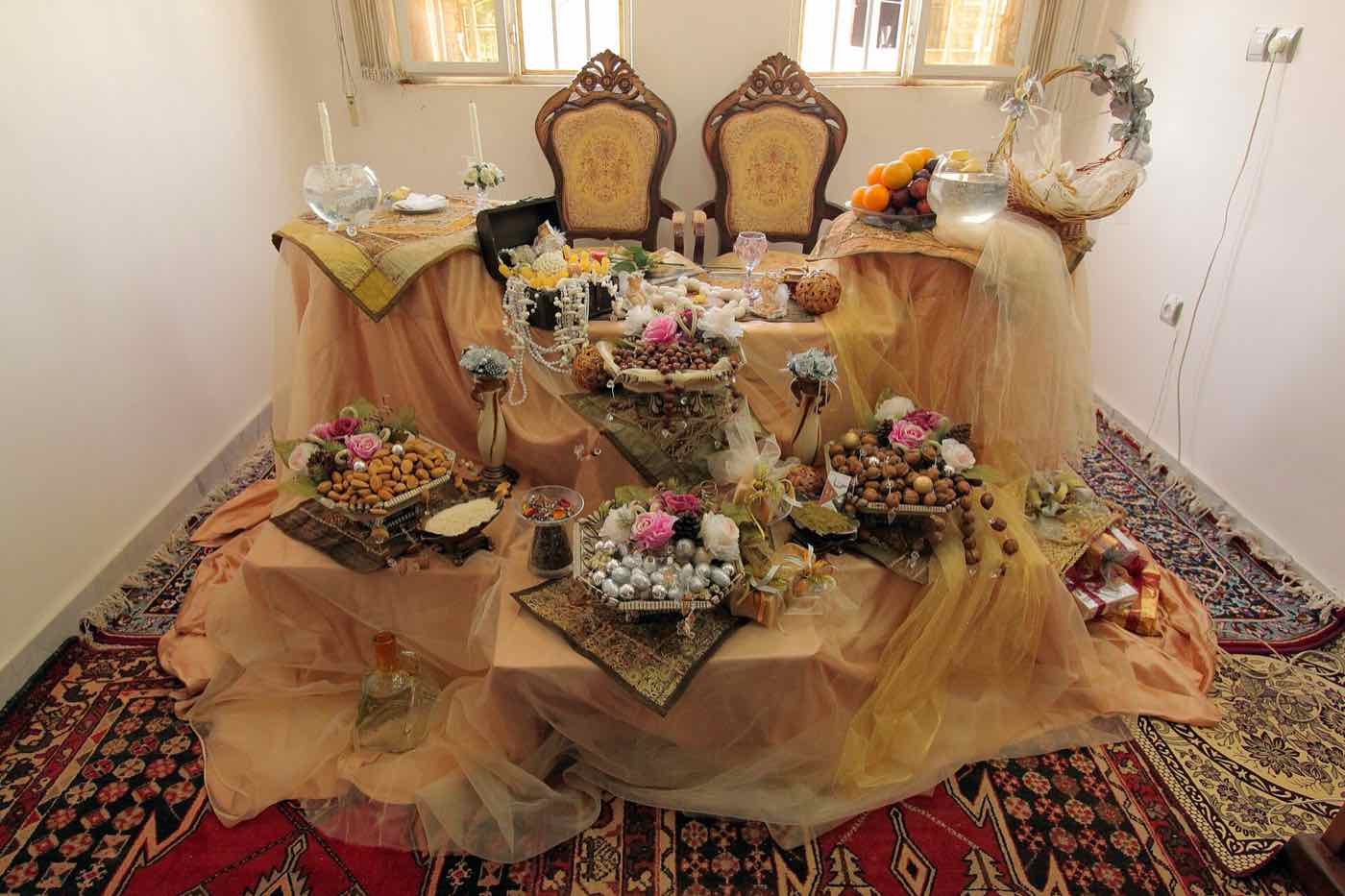
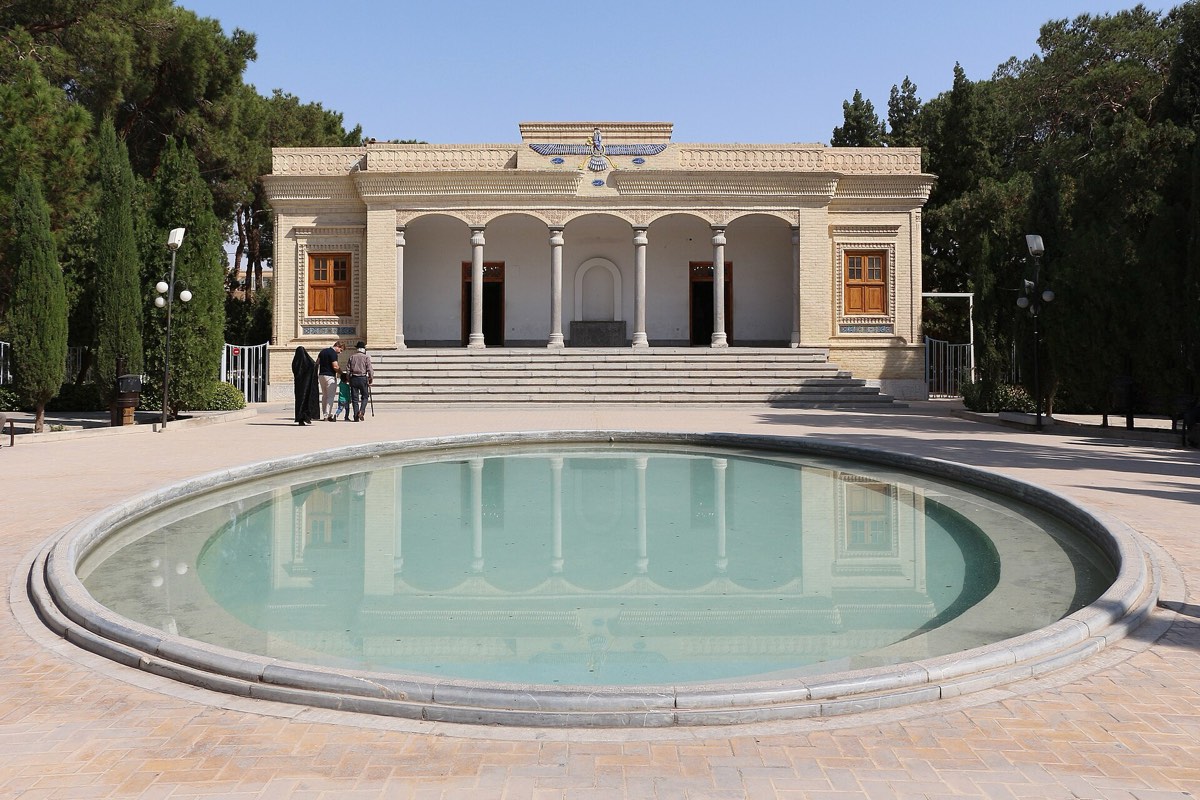
Photo: Mshayati, CC BY-SA 4.0, Wikimedia Commons
By the Delband team
Iranians are often described as one community, but around the dinner table you'll find Shia and Sunni Muslims, deeply secular families, Armenian and Assyrian Christians, Persian Jews, Bahá'ís and Zoroastrians — sometimes all in the same extended family. An interfaith relationship in an Iranian family can therefore mean many different things: a secular Muslim dating a Jewish partner, a Bahá'í dating an agnostic, a Zoroastrian dating a Christian. This guide sets out, as neutrally as we can, what each tradition generally asks of mixed couples, and how couples talk it through with the people who love them.
Iranians are more religiously diverse than people assume
Iran's constitution recognises Zoroastrians, Jews and Christians as religious minorities, and the country has long been home to Bahá'ís and Sunni Muslims too. Diaspora communities reflect that mix, and many diaspora Iranians are not religious at all. Reliable data on belief is hard to come by, but one large online survey gives a sense of the spread inside Iran itself:
32%
Identified as Shia Muslim — GAMAAN online survey of Iranians, 2020
22%
Identified with no religion — GAMAAN 2020
78%
Said they believe in God — GAMAAN 2020
GAMAAN's 2020 survey was self-selected and online, so its figures are indicative rather than exact. But it matches what many families see: religious identity, belief and practice don't always line up, and "culturally Muslim but not practising" is a very common position. That matters for interfaith relationships, because families' objections are often more about continuity and community than doctrine.
What each tradition generally asks of interfaith couples
| Tradition | General position on interfaith marriage | Questions worth asking each other |
|---|---|---|
| Islam (Shia and Sunni) | Classical jurisprudence allows a Muslim man to marry a Christian or Jewish woman; most scholars do not allow a Muslim woman to marry a non-Muslim man. Iran's Civil Code (Article 1059) does not permit the latter. | Does either family expect conversion? Will you have a nikah or aghd? How will children be raised? |
| Secular / non-practising | No religious rule, but families may still care about cultural continuity, ceremonies and holidays. | Which traditions do you want at home — Nowruz, Ramadan, Christmas, Passover? |
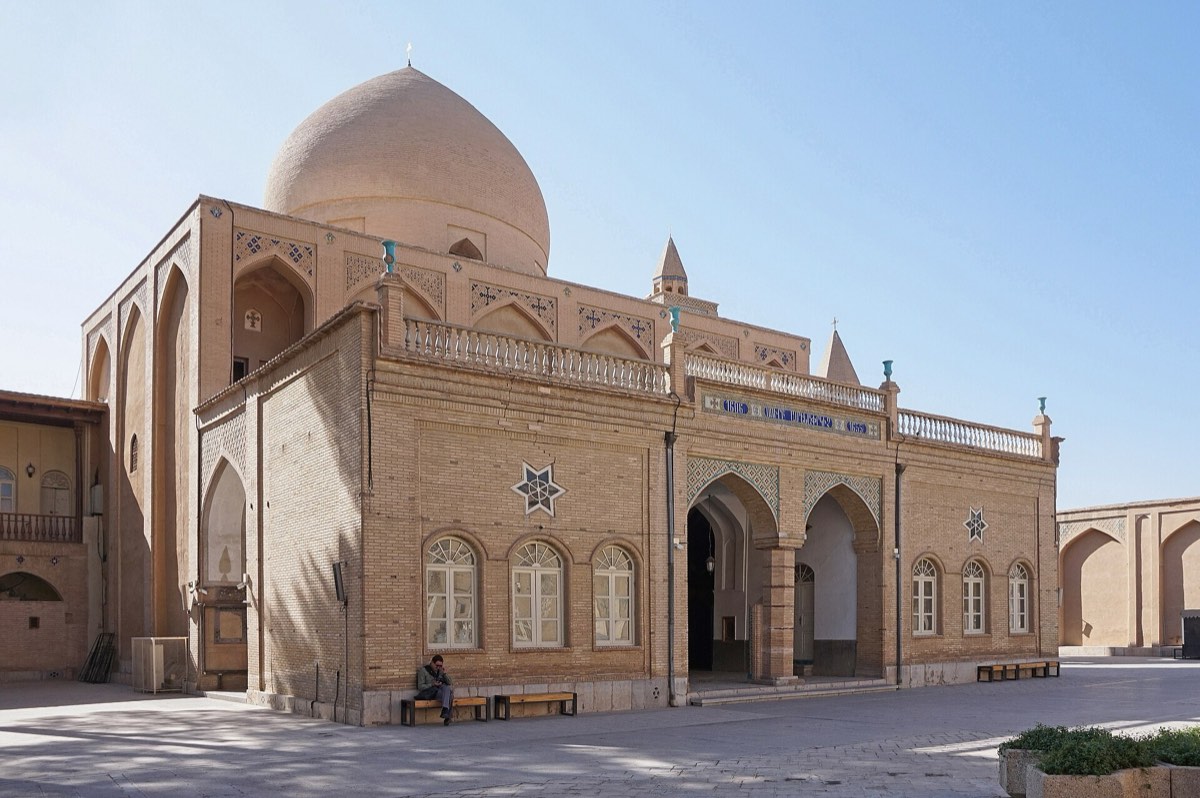
| Christianity (Armenian, Assyrian and others) | Rules for church weddings vary by denomination; some require both partners to be baptised Christians or a special permission. | Will you marry in church? Which community will children belong to? |
| Judaism | Orthodox and Conservative Judaism trace Jewish status through the mother and don't perform interfaith weddings; Reform Judaism (since 1983) accepts a child of either Jewish parent if raised Jewish. | Will children be raised Jewish? Which community do you want to belong to? |
| Bahá'í Faith | Bahá'ís may marry people of other faiths; a Bahá'í marriage requires the consent of all living parents of both partners, Bahá'í or not. | Are both sets of parents willing to consent? Will you have a Bahá'í ceremony? |
| Zoroastrianism | Long debated. In Iranian communities, children of a Zoroastrian father have more often been accepted than those of a Zoroastrian mother; many diaspora Zoroastrians are increasingly open. | Will children have a sedreh-pushi? How will you connect to the community? |
For a closer look at two of these communities, see our guides to Persian Jewish dating and Iranian-Armenian dating.
Why families react the way they do
For minority communities in particular — Persian Jews, Armenians, Assyrians, Bahá'ís and Zoroastrians — worries about interfaith marriage are often about survival. These are small communities that have kept their faith, language and customs through centuries of pressure, and parents may fear that a mixed marriage means grandchildren who drift away. For Muslim families, concerns may be religious, legal (if they hope to visit Iran or have the marriage recognised there) or simply about what the extended family will say. For secular families, the worry might be the opposite: a partner who is more religious than they expected.
Understanding the fear behind a reaction doesn't mean accepting it as a veto. But it does tell you what reassurance might actually help — and it's usually not an argument about theology.
The conversations to have as a couple first
Be honest about how much faith matters to you
Not your family's faith — yours. Some people discover they care more than they thought once a relationship gets serious.
Talk about conversion directly
Does either of you expect it, or would either family? Conversion chosen for family peace rather than belief often causes problems later.
Decide on the wedding
One ceremony, two, a civil wedding with cultural elements, or a sofreh aghd alongside another tradition — many combinations work.
Talk about children
Which holidays, which community, which religious education, if any? You don't need every answer, but you need to know you're not far apart.
Agree how you'll present it to family
Present a united plan. Families push hardest when they sense the couple hasn't decided.
Talking to an Iranian family about an interfaith relationship
Many of the same principles apply as in any mixed relationship: tell a receptive family member first, lead with your partner's character, and give your parents time. With religion, a few things help in particular. Show that your partner respects your tradition — attending a Nowruz gathering, a Passover seder, a Christmas service or a Bahá'í feast with genuine curiosity says more than any speech. Be specific about the plan for ceremonies and children, because vague answers invite worst-case assumptions. And if religious leaders matter to your family, consider meeting one together; many have counselled mixed couples before. Our guides to telling Persian parents you're dating and meeting Persian parents cover the practical side.
Shared Persian traditions that belong to everyone
One of the gifts of Iranian culture for interfaith couples is how much of it isn't tied to any single religion. Nowruz, with roots older than Islam, is celebrated by Iranians of every faith and none. So are Yalda night, Chaharshanbe Suri and Sizdah Bedar, Persian poetry and Persian food. Many interfaith couples build their home around these shared traditions, then add each partner's religious holidays on top. If you're looking for common ground, our Nowruz dating guide is a good place to start.
Frequently asked questions
Can an Iranian Muslim marry someone of another faith?
It depends on gender and on how strictly the family follows religious law. Classical Islamic jurisprudence generally allows a Muslim man to marry a Christian or Jewish woman, while most scholars do not allow a Muslim woman to marry a non-Muslim man, and Iran's Civil Code does not recognise such a marriage. Many secular Iranian families focus more on culture than these rules.
Do Bahá'ís marry people of other faiths?
Yes. Bahá'ís can marry people of other faiths or none. A Bahá'í marriage requires the free consent of both partners and the consent of all living natural parents, whether or not the parents are Bahá'ís. The requirement is intended to strengthen family unity.
Are children of a Zoroastrian and a non-Zoroastrian considered Zoroastrian?
Views differ. Historically, Iranian Zoroastrian communities more often accepted children of a Zoroastrian father than of a Zoroastrian mother, and Parsi institutions in India have been stricter still. Many diaspora Zoroastrians are increasingly open to intermarriage and initiating children of mixed families. It's best to ask your local community's priests.
How do Persian Jewish families view interfaith relationships?
Views range widely. Many Persian Jewish families place strong emphasis on marrying within the community, reflecting concern for continuity. Orthodox and Conservative Judaism trace Jewish status through the mother, while Reform Judaism also recognises children of Jewish fathers raised Jewish. Families' expectations often depend on how observant they are.
How do we raise children in an interfaith Iranian family?
Talk about it before marriage. Many couples choose one primary religious identity, others teach both traditions, and others focus on shared Persian culture — Nowruz, Yalda, language and food — alongside each partner's holidays. Clear agreement between you matters more than which approach you choose, and makes conversations with grandparents much easier.
Delband welcomes Iranians of every faith and none, along with the people who love them. It's a free iPhone app with distance-sorted matches and city chat rooms, so whatever you believe, you can meet people nearby who share the culture — and talk about the rest honestly.