7 min read ·
Iranian Dating a Non-Iranian: A Guide From the Persian Side
An Iranian dating a non-Iranian partner? From telling your parents to taarof, food and Farsi lessons — a guide written from the Persian side of the couple.
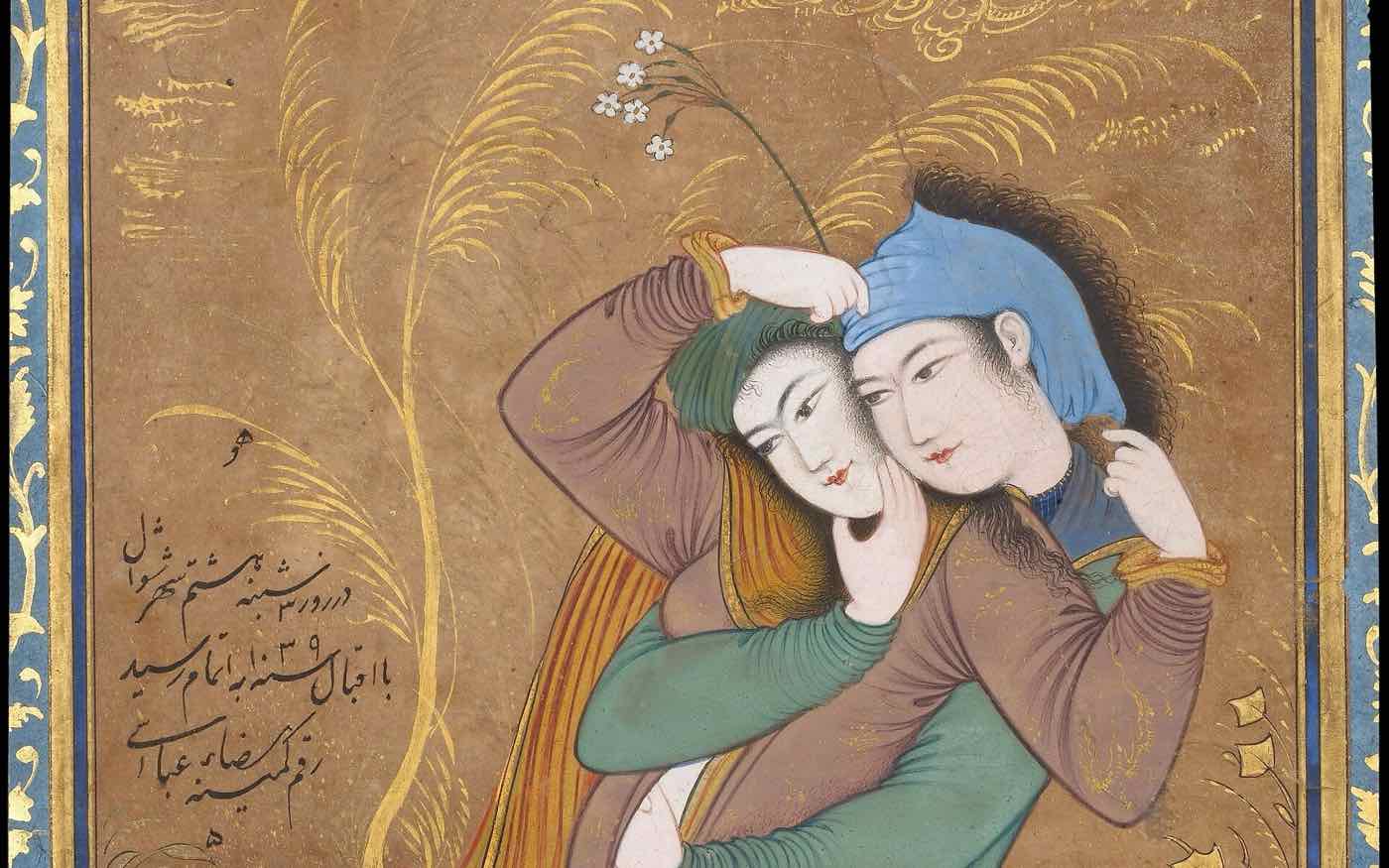
Reza Abbasi, The Lovers (1630) — public domain, Metropolitan Museum of Art via Wikimedia Commons
By the Delband team
There's plenty written for people dating an Iranian. This one is for the Iranian. If you're Persian and dating a non-Iranian, you've probably found yourself explaining taarof at a restaurant, translating your aunt's questions with some editing, and wondering how your parents will react — while also enjoying a relationship where nobody assumes they know what you think. Iranian dating non-Iranian partners is common in the diaspora, and it comes with its own small, specific skills.
You become the translator — of more than words
Even if your partner never learns a word of Farsi, you'll spend a lot of time translating: why your mum offered them food four times, why a family friend asked what they earn, why the goodbye at the door took forty minutes. This is usually affectionate work, but it can be tiring, and it's easy to slide into apologising for your own culture. You don't have to. Explaining is different from excusing.
- Brief your partner before big events — a birthday, Nowruz at your parents', a wedding — rather than translating in real time.
- Explain the why, not just the what: hospitality as care, questions as interest, teasing as affection.
- Turn taarof down a notch with them. They'll probably take your first "no" literally. Our taarof guide explains the script you're editing.
- Notice when you're translating your partner to your family too — it runs both ways.
Telling your parents
For many Persians, the hardest conversation isn't with the partner but with family. Reactions range from delighted to worried to silent, and they're shaped by generation, religion, how long your family has lived abroad and, honestly, by your parents' personalities more than by "Persian culture". Common worries sit underneath many reactions: Will they respect our family? Will the grandchildren speak Farsi? Will our child drift away from us? Answering those worries directly often helps more than arguing about the partner.
Choose your moment and your messenger
Many people tell the more receptive parent or a sibling first, then let them help prepare the ground.
Lead with character
Talk about how your partner treats you, their family values and their seriousness — the things your parents actually care about.
Address the unspoken fears
If language, religion or traditions matter to your family, say how you two plan to handle them.
Give it time
First reactions are rarely final. Many parents who start sceptical end up the partner's biggest fans once they've shared a few meals.
We cover this conversation in detail in telling Persian parents you're dating, and the first visit itself in meeting Persian parents.
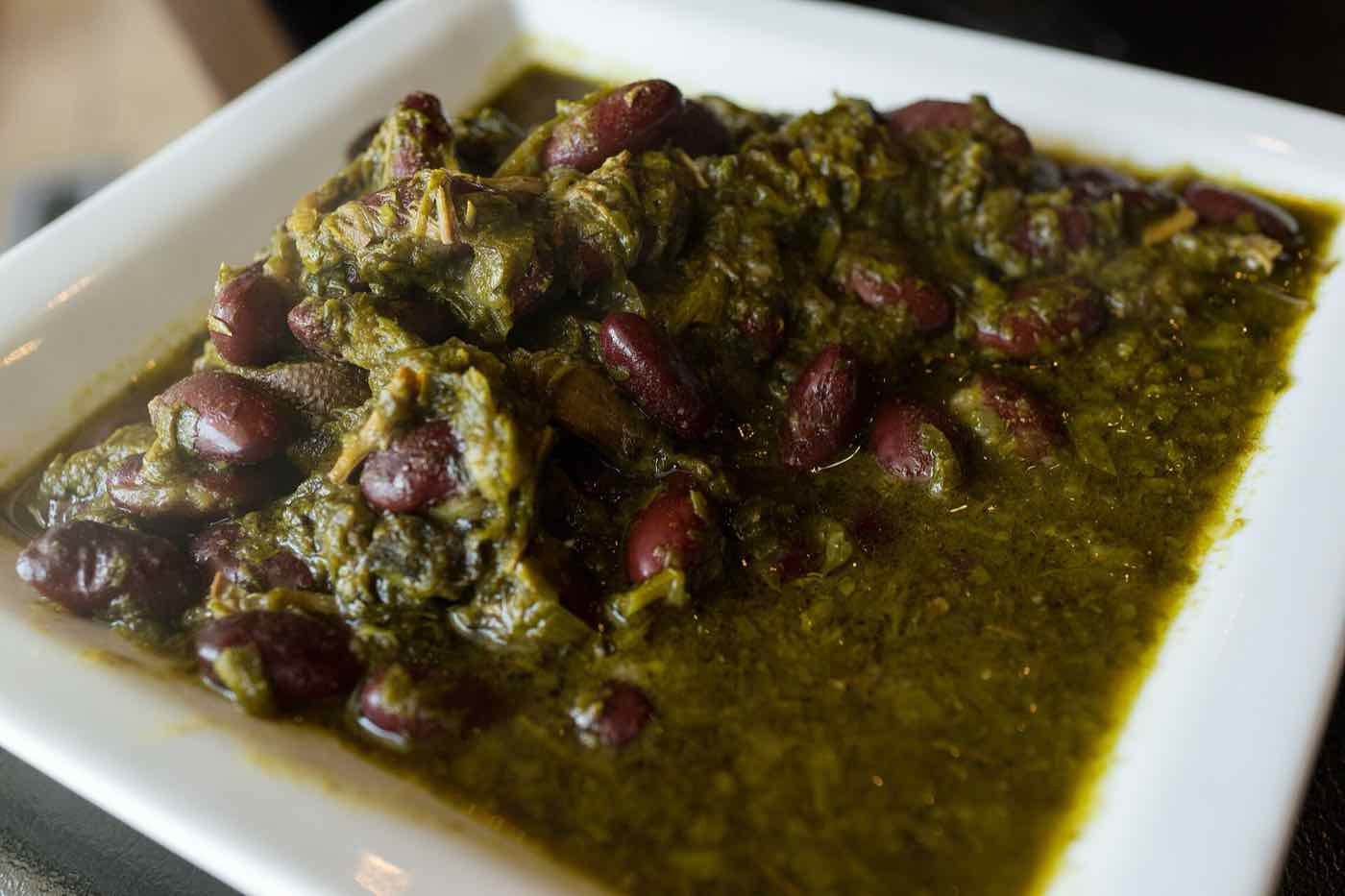
Food is the fastest introduction
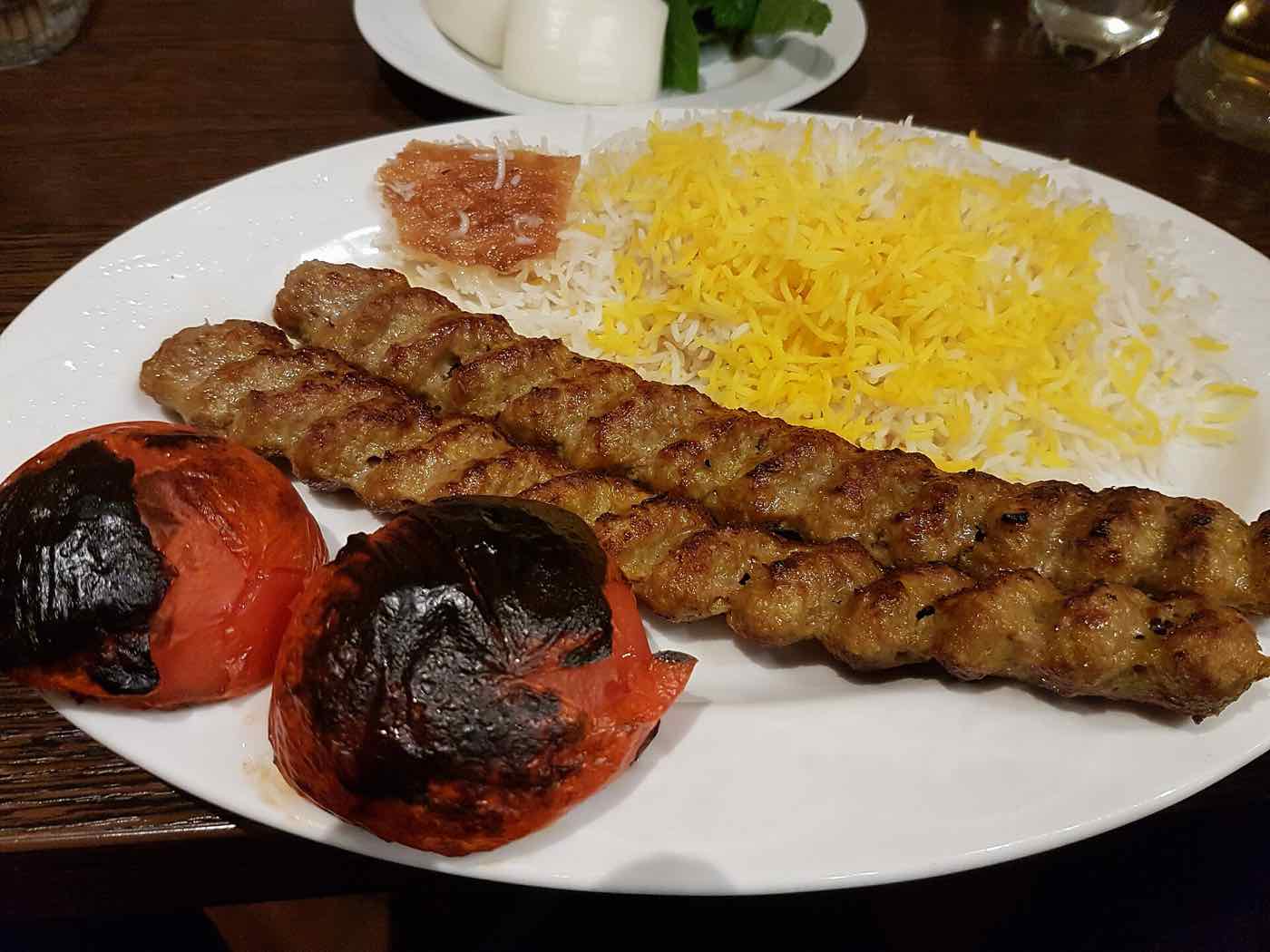
If there's one shortcut to a Persian family's heart, it's eating with enthusiasm. Teach your partner a few dishes, take them to a Persian restaurant and order for the table, and prepare them for the fact that a "small dinner" means three main dishes and fruit afterwards. A partner who asks for a second helping of tahdig — or who learns to say "dastetoon dard nakone" to the cook — will be forgiven a great deal.
| Moment | What happens | One tip to give them |
|---|---|---|
| First family dinner | Lots of food, repeated offers, questions about work and family | Accept the second offer, compliment the cook |
| Nowruz visits | A round of visits to relatives, sweets everywhere, new-year greetings | Learn "Eid-etoon mobarak" and bring something sweet |
| Yalda night | Pomegranates, watermelon, Hafez readings until late | Ask someone to read them a fal-e Hafez |
| A Persian wedding | Late start, loud music, dancing and plenty of food | Pace yourself and get on the dance floor |
| Goodbyes | Long farewells at the door, sometimes at the car too | Start saying goodbye earlier than you think |
Language: teach a little, don't test a lot
A non-Iranian partner learning even basic Farsi means a lot to most families, and it changes how included they feel at gatherings. But learning a language for a partner works best when it's playful rather than a requirement. Start with greetings, food words and terms of endearment, and let them practise on your grandparents, who will be thrilled. Our learn Farsi for your partner guide has a sensible order to tackle it in.
Khareji
خارجی
Foreigner — how some relatives may refer to your partner at first.
Usually descriptive rather than unkind, but it's fair to gently start using their name instead.
Eid-etoon mobarak
عیدتون مبارک
Happy (new) year — the essential Nowruz greeting.
Dastetoon dard nakone
دستتون درد نکنه
Thank you (for the food, the effort) — literally "may your hands not hurt".
Kheili khoshmazeh ast
خیلی خوشمزه است
It's delicious. Use liberally.
Keeping your own identity
Some Iranians in mixed relationships notice they speak less Farsi, cook fewer Persian dishes or skip community events — not because their partner asked, but because it's easier. Others find they become more connected to their heritage once they start explaining it to someone. Both are normal. It's worth asking yourself which parts of your culture you want in your home and, if you plan to have children, which you want to pass on. A partner who loves you will want to know.
Religion, ceremonies and the legal side
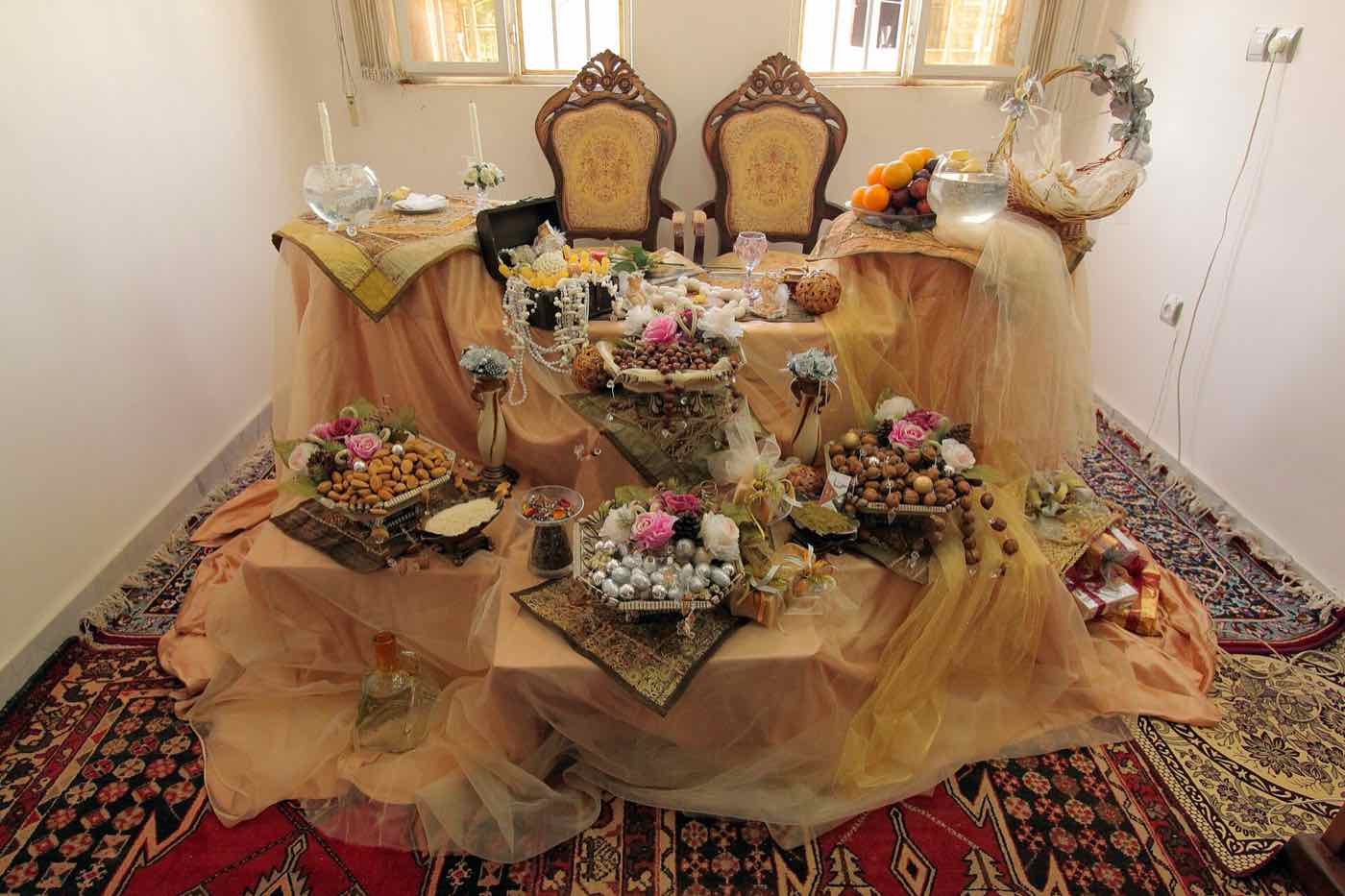
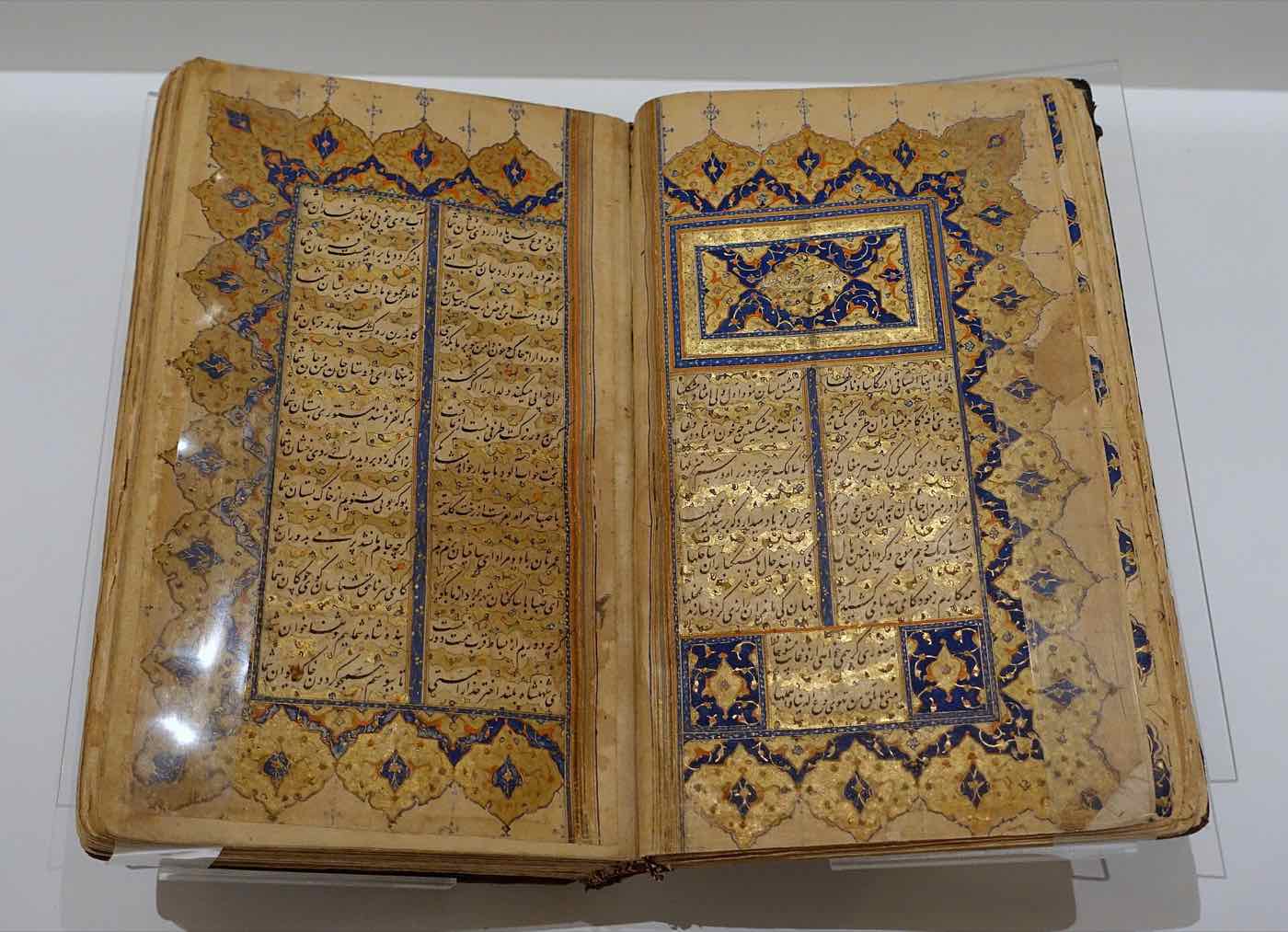
If religion matters to you or your family, it's usually the most important conversation in a mixed relationship — our guide to interfaith relationships and Iranian families goes through it tradition by tradition. Weddings can blend customs beautifully; many mixed couples have a sofreh aghd alongside another ceremony. On the legal side, Iranian law has particular rules for some marriages to foreign nationals, notably requiring government permission for Iranian women marrying foreign men. If either of you might want the marriage recognised in Iran, get current legal advice early.
Frequently asked questions
How do I tell my Iranian parents I'm dating a non-Iranian?
Pick a calm moment, consider telling a more receptive family member first, and lead with your partner's character and seriousness rather than background. Address the worries underneath — language, religion, staying close to family — directly. Expect the first reaction not to be the last; many parents warm up after meeting the person and sharing a meal.
Is it common for Iranians in the diaspora to date non-Iranians?
Yes. In most diaspora cities, mixed relationships are part of everyday community life, and many families include a non-Iranian spouse. How families react varies a lot by generation, religion and personality, but the idea itself is far from unusual.
Should my partner learn Farsi?
It isn't required, but even a little goes a long way with family, especially grandparents. Keep it fun: greetings, food words and terms of endearment first. Pressure to become fluent tends to backfire, while small efforts at family gatherings are noticed and appreciated.
How do I explain taarof to a non-Iranian partner?
Explain that offers are often refused politely before being accepted, and that hosts will offer several times. Tell them a good rule: accept the second offer, refuse firmly a third time if they really mean no. And drop taarof with them yourself — they'll probably take your words literally.
Can we have a Persian wedding if my partner isn't Iranian?
Absolutely. Many mixed couples have a sofreh aghd, Persian music and food alongside traditions from the other family. The religious and legal side depends on your faiths and where you marry, so check those early, but the cultural celebration is open to any couple.
Delband is a dating app built for Iranians and the people who love them — the community includes Persian singles and partners from every background who appreciate the culture. It's free on iPhone, with distance-sorted matches and city chat rooms, whichever kind of relationship you're hoping to find.