7 min read ·
Iranian Dating for Marriage: How to Date With Intention
Iranian dating for marriage, without the pressure: how to signal serious intent, the conversations to have before khastegari, and how families fit in today.
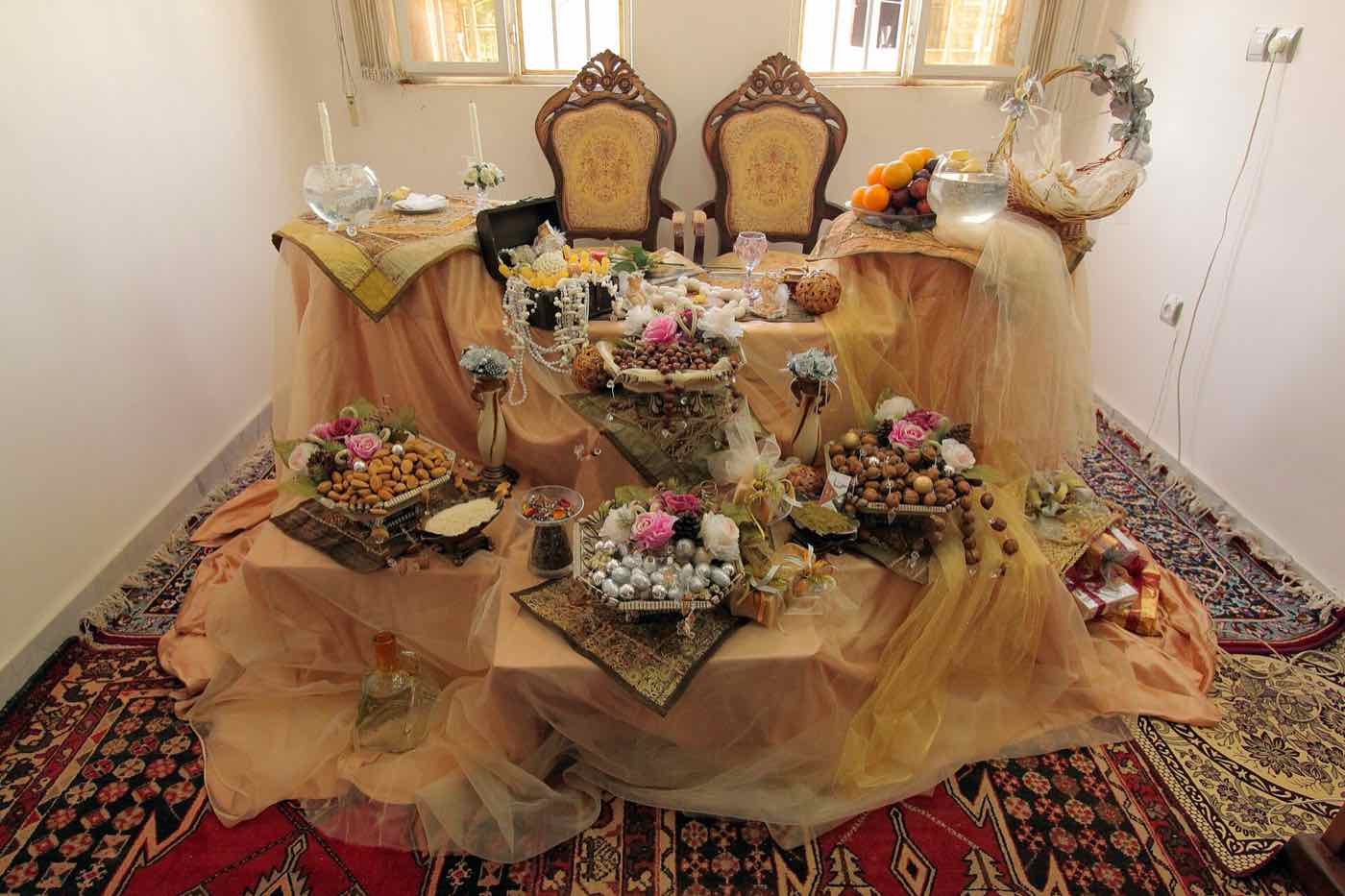
Photo: Mostafameraji, CC BY-SA 4.0, Wikimedia Commons
By the Delband team
Plenty of Persian singles are tired of the guessing game. They don't want something casual, they don't want a matchmaker's spreadsheet either, and they'd quite like to know by the third date whether the other person is looking for a husband or wife or just for company. Iranian dating for marriage sits in that middle ground: two adults choosing each other, with family in the picture but not in charge. Here's how to date with that intention clearly — without making every coffee feel like a khastegari.
Say it plainly: signalling serious intent
The simplest thing you can do is be clear. A profile line like "looking for a long-term partner and, eventually, marriage" filters better than any algorithm. In conversation, it's fine to say on an early date that you're dating with marriage in mind — the trick is to frame it as a direction, not a deadline. "I'm looking for something that could lead to marriage" invites honesty; "I need to be engaged by next Nowruz" invites panic.
It also helps to know what marriage means to you before you ask what it means to someone else. Do you picture a big aroosi or a small aghd? Living near your parents or in a new city? Children soon, later or not at all? You don't need a finished blueprint, but people who have thought about their own answers tend to recognise a compatible partner faster — and are less likely to be swept along by chemistry with someone who wants a completely different life.
A realistic path from first date to khastegari
Early dates: character and chemistry
Kindness, how they treat waiters, whether conversation flows. A video call before the first date saves time for everyone.
Exclusivity: say it out loud
Don't assume. In a community where people often date with marriage in mind, "are we exclusive?" is a normal question, not an ultimatum.
The big conversations
Values, faith, children, where to live, money and family closeness — before anyone's parents are involved.
Meeting friends, then family
Friends first is often easier. When parents come in, our guide to meeting Persian parents helps.
Khastegari and beyond
For many families, a formal visit is how the relationship becomes official. Our khastegari guide explains the evening step by step.
The conversations to have before families get involved
In many Persian families, once parents meet, the questions arrive quickly and in front of an audience. It's much kinder to yourselves to have the important conversations privately first, so nothing surprises either of you in a living room full of relatives.
| Topic | Why it matters | A gentle way to ask |
|---|---|---|
| Religion and tradition | Shapes the ceremony, holidays and how you raise children | "What role does faith play in your daily life — and in the wedding you imagine?" |
| Children | Whether, when and how many | "Do you see kids in your future? How do you picture that?" |
| Where to live | Diaspora couples often weigh different cities or countries | "Is there anywhere you'd never move — or always want to?" |
| Family closeness | Sunday lunches every week, or visits twice a year? | "How involved do you expect our parents to be?" |
| Money | Spending, saving, supporting parents | "How did your family handle money, and what do you want to keep or change?" |
| Mehrieh and the contract | Can become a tense negotiation if left to families | "How do you feel about mehrieh? Symbolic, traditional, or something else?" |
Mehrieh deserves its own conversation; our guides to mehrieh and mehrieh versus a prenup explain the options many diaspora couples now consider.
How families fit in today
For most diaspora couples, the old model of families arranging the introduction has flipped: the couple meets on their own, decides they're serious, and then brings families in to bless and celebrate the choice. Parents are usually still an important voice — their approval matters emotionally even when it isn't required — but the decision belongs to the two people getting married. If your family expects more involvement than you want, it helps to give them a defined role: hosting the khastegari, planning the baleh boroon, helping with the sofreh aghd. People who feel useful feel less need to take control.
Ghasd-e ezdevaj
قصد ازدواج
The intention to marry — the phrase people use to say a relationship is serious.
Ashnayi
آشنایی
Getting acquainted; the period of getting to know each other before marriage.
Sar o saman gereftan
سر و سامان گرفتن
To settle down — what every aunt hopes for you.
Ghesmat
قسمت
Fate or destiny; "if it's ghesmat" is how many families talk about matches.
Fate helps, but clear conversations help more.
Apps, matchmakers and introductions
Persian singles looking for marriage tend to use a mix of routes: introductions through family and friends, community events, professional or informal matchmakers, and dating apps. Each has trade-offs. Family introductions come with built-in context but also built-in pressure. Matchmakers save time but can feel transactional. Apps give you the widest choice and full control over pace. We compare them in detail in Persian matchmaker vs dating app. Whatever you use, being explicit about your intentions is what makes it work.
Red flags when someone says they want marriage
- Rushing: talk of marriage within days, before you've met in person or video-called. Fast intensity is a classic scam pattern.
- Money: any request for money, gifts, investment or help with fees — no matter how sincere the story.
- Pressure around paperwork: if a quick marriage seems tied to someone's immigration status, slow down and talk about it openly.
- Control: deciding who you see, monitoring your phone or insisting family can't know about you.
- Vagueness: they want marriage "someday" but avoid every specific conversation from the table above.
Frequently asked questions
How do I say I'm dating for marriage without scaring people off?
Put it in your profile in a calm way — "looking for a long-term partner, open to marriage" — and on an early date describe it as a direction rather than a deadline. People looking for the same thing will appreciate the clarity, and people who aren't will self-select out, which saves you both time.
How long do Persian couples usually date before khastegari?
There's no standard timeline. In the diaspora many couples date for a year or more before a formal khastegari, while some more traditional families prefer a shorter acquaintance period. What matters more than time is whether you've had the big conversations about faith, children, money, family and where to live.
Do Iranian families still expect a khastegari if we met on an app?
Many do, and many couples choose one anyway because it honours their parents. It's often lighter than in the past — sometimes a family dinner with flowers, sweets and a formal moment of asking. How you met doesn't change the tradition; it just means the couple has usually decided before the families meet.
Is it okay to bring up mehrieh before getting engaged?
Yes — it's better to discuss it privately before families do. Mehrieh can be symbolic, traditional or tailored to the couple, and families sometimes have strong expectations. Agreeing between yourselves first prevents it from turning into an awkward negotiation during the khastegari or baleh boroon.
What are warning signs someone isn't serious, or isn't genuine?
Watch for marriage talk before you've met, requests for money, reluctance to video call, pressure linked to visas or paperwork, and vagueness whenever you ask concrete questions about the future. Genuine partners can be shy, but they don't avoid specifics forever, and they never need your money.
If you're looking for something that could become a marriage, start with people you can actually meet. Delband is a free iPhone app for Persian singles, with matches sorted by distance, profile verification and city chat rooms — a straightforward way to find someone nearby who's looking for the same thing you are.