9 min read ·
Mehrieh Explained: The Persian Mahr, From Gold Coins to Today
What is mehrieh? The Persian mahr explained: meaning, history, how the amount is set, gold coins, symbolic gifts, Iranian law and how couples handle it today.
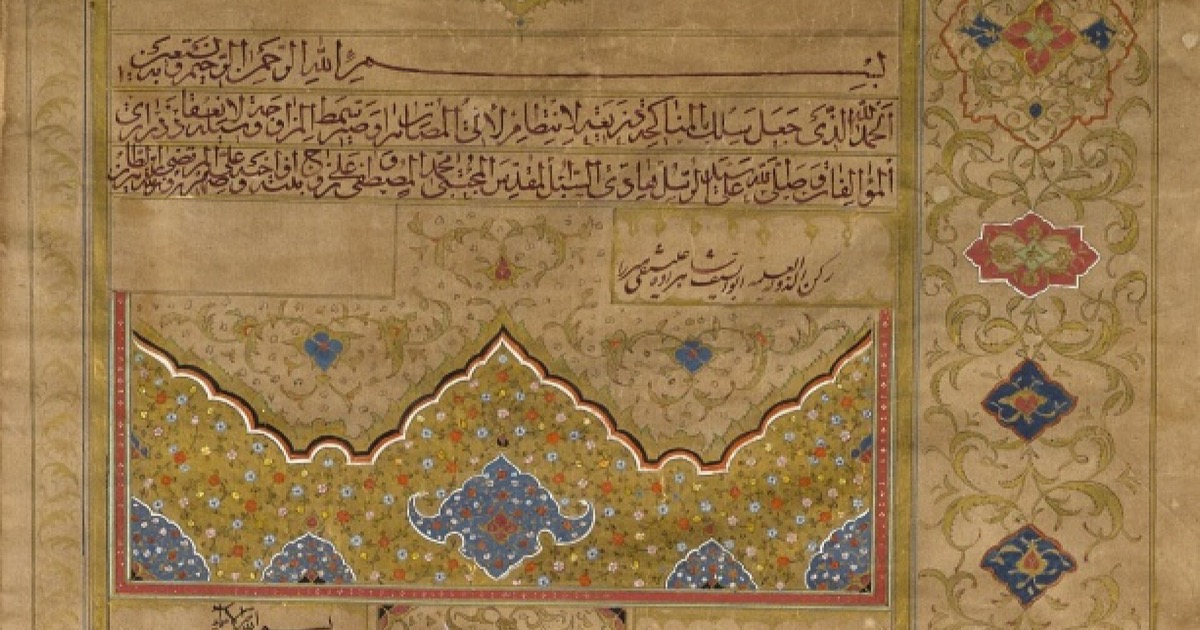
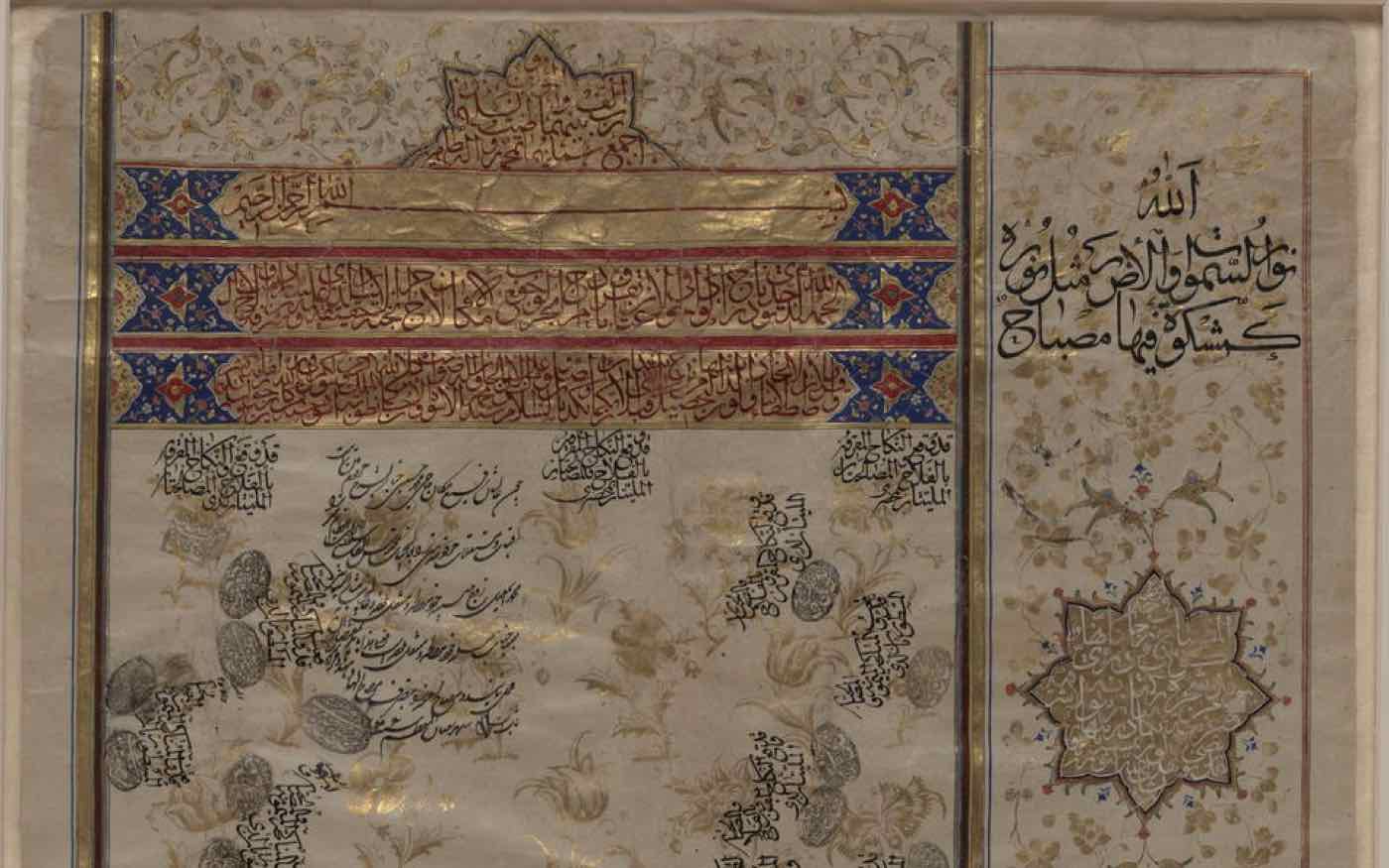
Marriage contract of Malik Jahan Khanum, Qajar Iran, 1833–34 — public domain, Wikimedia Commons
By the Delband team
Mehrieh is one of the most talked-about and least understood parts of a Persian marriage. Often translated as 'dowry', the mehrieh (مهریه), the Persian form of the Islamic mahr, is actually the opposite: not something the bride brings, but something the groom promises to her, written into the marriage contract and legally hers. It can be a single symbolic gift or hundreds of gold coins. It can be a romantic gesture, a financial safety net, or a source of tension between families. This guide explains what mehrieh is, where it comes from, how the amount is set, and how couples in Iran and the diaspora approach it today.
If you came here from our khastegari guide, this is the deeper dive on the topic that guide only touches on. If you are weighing mehrieh against a Western prenuptial agreement, read mehrieh vs prenup next.
1082
Iranian Civil Code article: the wife owns the mehrieh once the contract is concluded
110
Gold coins: ceiling for the strongest enforcement under Iran's 2013 Family Protection Law (Art. 22)
1997
Year Iran added inflation indexing for cash mehrieh (note to Art. 1082)
What mehrieh means
Mahr is the Arabic term used in Islamic law for the marriage gift owed by the husband to the wife; the Quran (Surah an-Nisa, 4:4) tells men to give women their marriage gifts freely. In Persian, the word became mehr or mehrieh, and it sits comfortably alongside the unrelated Persian word mehr, meaning kindness or affection. It is a happy coincidence that many couples like.
The key point is ownership. Under Iran's Civil Code, the wife becomes the owner of the mehrieh as soon as the marriage contract is concluded, and she can dispose of it as she wishes (Article 1082). The amount is set by agreement between the parties (Article 1080), and almost anything of value can serve as mehrieh (Article 1078): coins, cash, property, a pilgrimage, a set of books. It is not a bride price paid to her family, and it is not the trousseau (jahizieh) that a bride's family traditionally provides for the new home.
Mehrieh
مهریه
The marriage gift promised by the groom to the bride and recorded in the contract.
Jahizieh
جهیزیه
The trousseau: household goods traditionally provided by the bride's family. Often confused with mehrieh in English.
Ende-al-motalebeh
عندالمطالبه
'On demand.' The wife may claim the mehrieh at any time.
Ende-al-estetaa'eh
عندالاستطاعه
'Upon ability.' Payable when the husband is able to pay; the wife must show he can.
Sekkeh-ye Bahar-e Azadi
سکه بهار آزادی
The Iranian gold coin, first issued in 1979, in which most modern mehriehs in Iran are counted.
Aghd-nameh
عقدنامه
The marriage contract, where the mehrieh is written down.
A short history of mehrieh
Historic Persian marriage contracts were often works of art: long scrolls of calligraphy and illumination recording the names of the couple, witnesses and the agreed mehrieh. In those documents the mehrieh might include land, jewellery, coins or textiles. Iran's Civil Code, drafted in the late 1920s and 1930s, codified the rules on mehrieh, and later reforms changed how it is enforced rather than what it is.
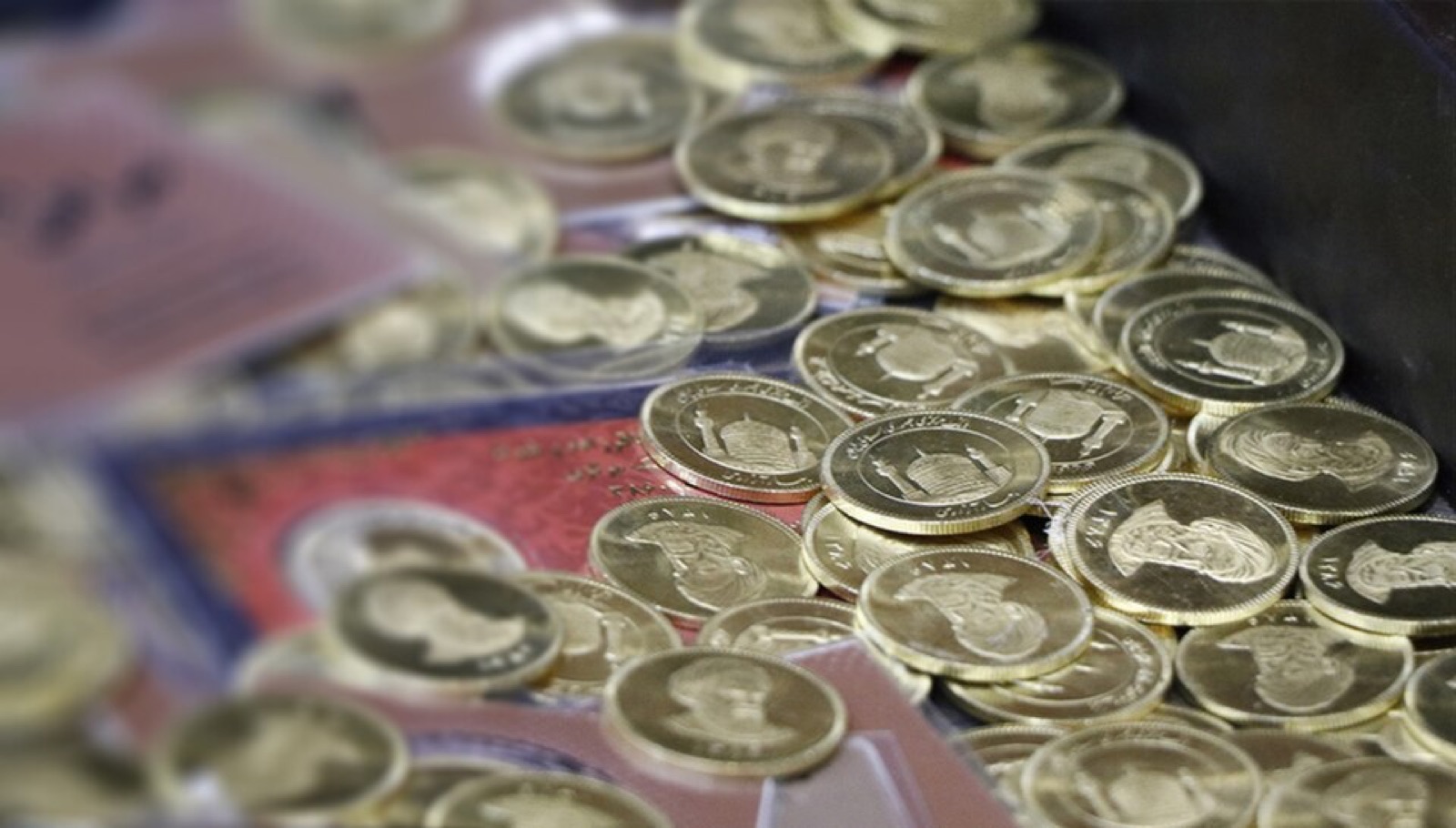
Two modern developments shaped mehrieh as most people know it. First, gold coins became the standard unit, because their value survives inflation far better than cash. Second, in 1997 Iran added a note to Article 1082 allowing a cash mehrieh to be recalculated at today's value using the Central Bank's price index, so a sum written decades ago is not wiped out by inflation.
How the mehrieh amount is set
Traditionally, the amount is discussed between the two families, often first raised at the khastegari or the baleh boroon and finalised before the aghd. Families may weigh the bride's education, the groom's means, what siblings or cousins received, and local custom. Today, many couples settle it between themselves first and present a united decision to their parents.
Talk privately first
Agree as a couple on what the mehrieh means to you: a symbol, a safety net, or both. Do this before the families sit down.
Choose the form
Coins, cash, property, a symbolic gift, or a mix. Many contracts combine a number of gold coins with traditional symbolic items.
Decide the payment terms
On demand (ende-al-motalebeh) is the most common; 'upon ability' (ende-al-estetaa'eh) is sometimes chosen for larger amounts.
Be realistic
A mehrieh is a real debt in Iranian law. Promising an amount the groom could never pay is not a compliment; it is a future dispute.
Write it down clearly
Record it precisely in the contract: number and type of coins, or exact amounts, so there is no ambiguity later.
Symbolic mehrieh: the modern favourite
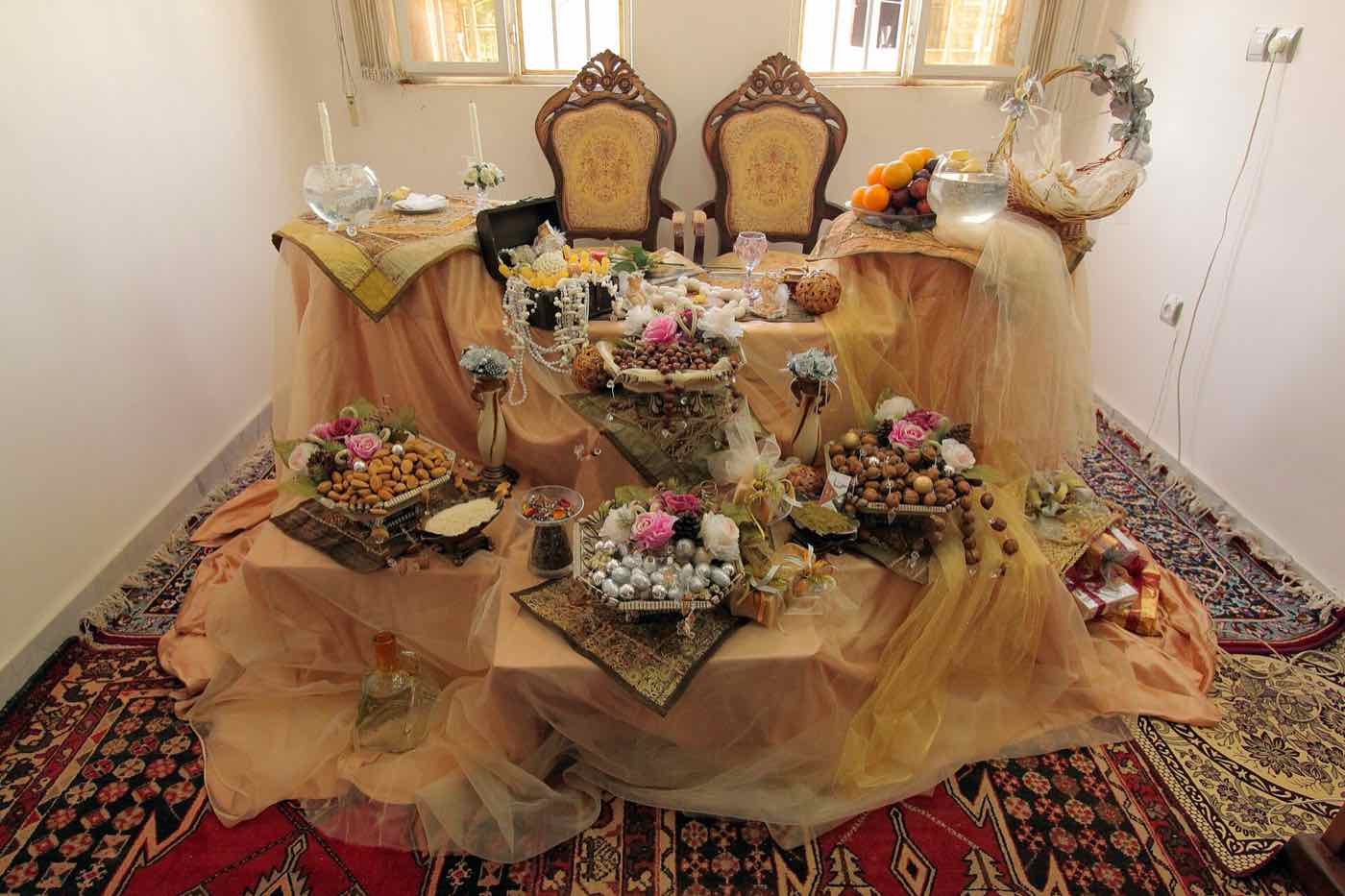
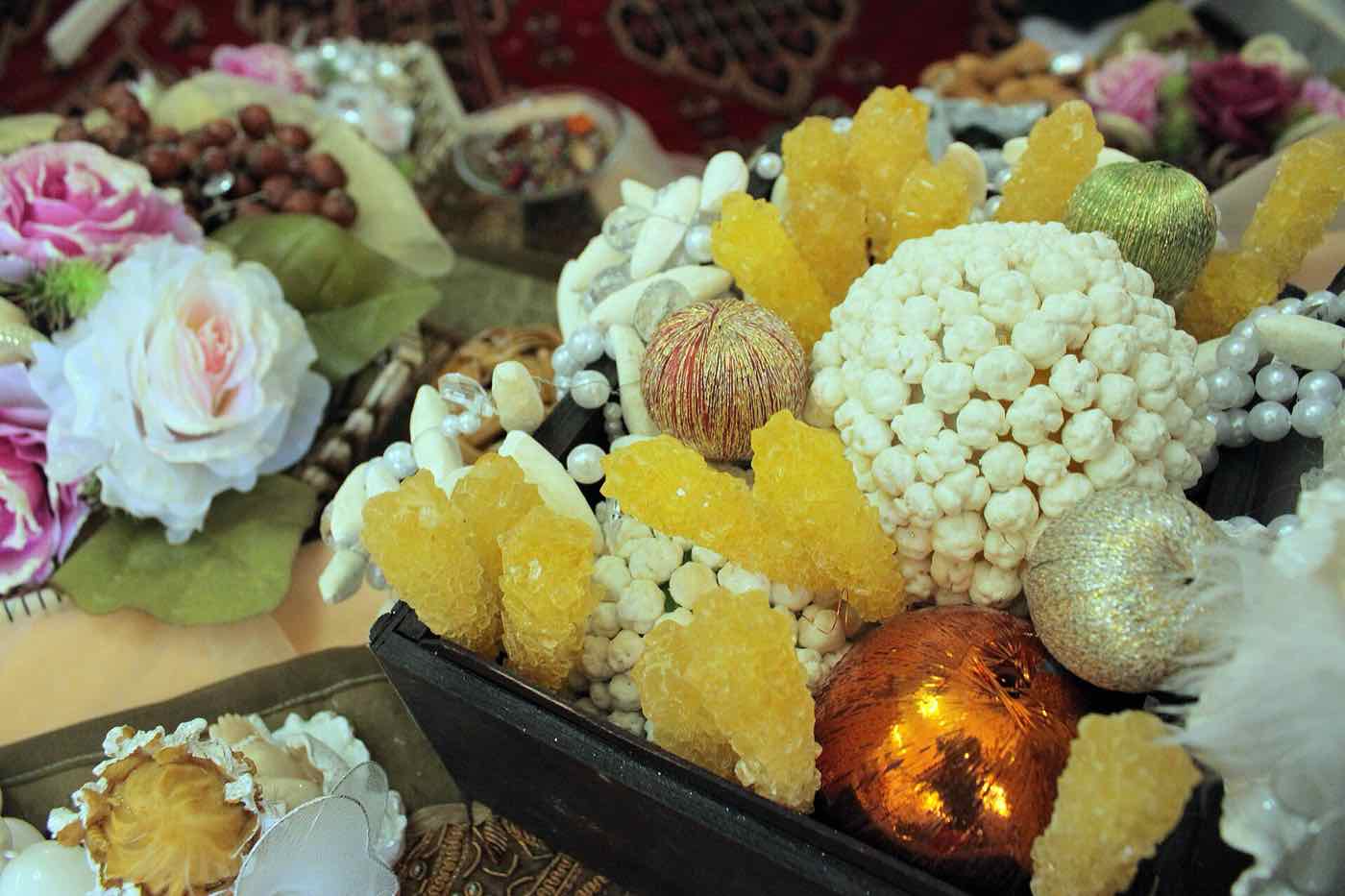
Alongside or instead of coins, many contracts list traditional symbolic items: a copy of the Quran (or for some couples, a divan of Hafez), a mirror and pair of candlesticks (ayeneh-o-shamdan, which also appear on the sofreh aghd), and a branch of nabat, saffron rock candy, for a sweet life. Some couples choose a number of coins matching the bride's birth year, a poetry book, or a single rose. In the diaspora, where an Iranian contract may not even be registered, a symbolic mehrieh is often the whole point.
Mehrieh under Iranian law today
In Iran, mehrieh is enforceable, and enforcement has been heavily debated. Article 22 of the 2013 Family Protection Law set 110 gold coins as the ceiling for the strongest enforcement measures, which can include detention of a husband who refuses to pay; for amounts above that, the wife generally has to show that the husband is able to pay. In December 2025, Iran International reported that parliament had voted to lower that threshold to 14 coins, subject to approval by the Guardian Council. Laws in this area change, so anyone with a contract registered in Iran should check the current position with an Iranian family lawyer.
How diaspora couples approach it
- Many couples who marry outside Iran have both a civil marriage and a religious or cultural aghd, and the mehrieh lives in the aghd.
- Some choose a purely symbolic mehrieh as an act of love and trust, and handle money through a local prenuptial agreement instead.
- Others choose a substantial mehrieh deliberately as financial protection, especially where one partner gives up work for family.
- Mixed couples often adopt the symbolic version as a way to honour the Iranian partner's heritage. See dating a non-Iranian for more.
The best mehrieh conversations aren't negotiations. They're two people agreeing, in advance, what fairness and generosity look like for them.
Frequently asked questions
What is mehrieh in a Persian marriage?
Mehrieh is the marriage gift the groom promises the bride, recorded in the marriage contract. Under Iranian law she owns it from the moment the contract is concluded. It can be gold coins, cash, property or symbolic items, and the amount is set by agreement.
Is mehrieh the same as a dowry?
Not really. In English 'dowry' usually means what the bride's family gives. Mehrieh flows the other way: it is owed by the husband to the wife. What the bride's family traditionally provides for the new home is called jahizieh.
Why is mehrieh counted in gold coins?
Gold coins hold their value far better than cash during inflation, so a mehrieh written in coins keeps its real worth over decades. In Iran the usual unit is the Bahar Azadi gold coin, first issued in 1979. Cash mehriehs can also be adjusted for inflation under a 1997 amendment.
What is a symbolic mehrieh?
A symbolic mehrieh is a small or sentimental gift instead of a large sum, such as a Quran or a divan of Hafez, a mirror and candlesticks, a branch of nabat, a single rose, or a number of coins matching the bride's birth year. Many diaspora couples choose this approach.
When is the mehrieh paid?
It depends on the contract. 'On demand' (ende-al-motalebeh) means the wife can claim it at any time, which is the most common wording. In practice, many mehriehs are never claimed during a happy marriage and come up mainly at divorce or on the husband's death.
Every mehrieh conversation begins with two people who chose each other. Delband is a dating app for the Persian community, with nearby matches, profile verification and city chat rooms, for people who would one day like to be having this conversation. Free to download on iPhone.