8 min read ·
Baleh Boroon: How a Persian Engagement Becomes Official
What happens at a baleh boroon, the Persian engagement gathering after khastegari: who comes, what's agreed, the ring, and how families host one today.
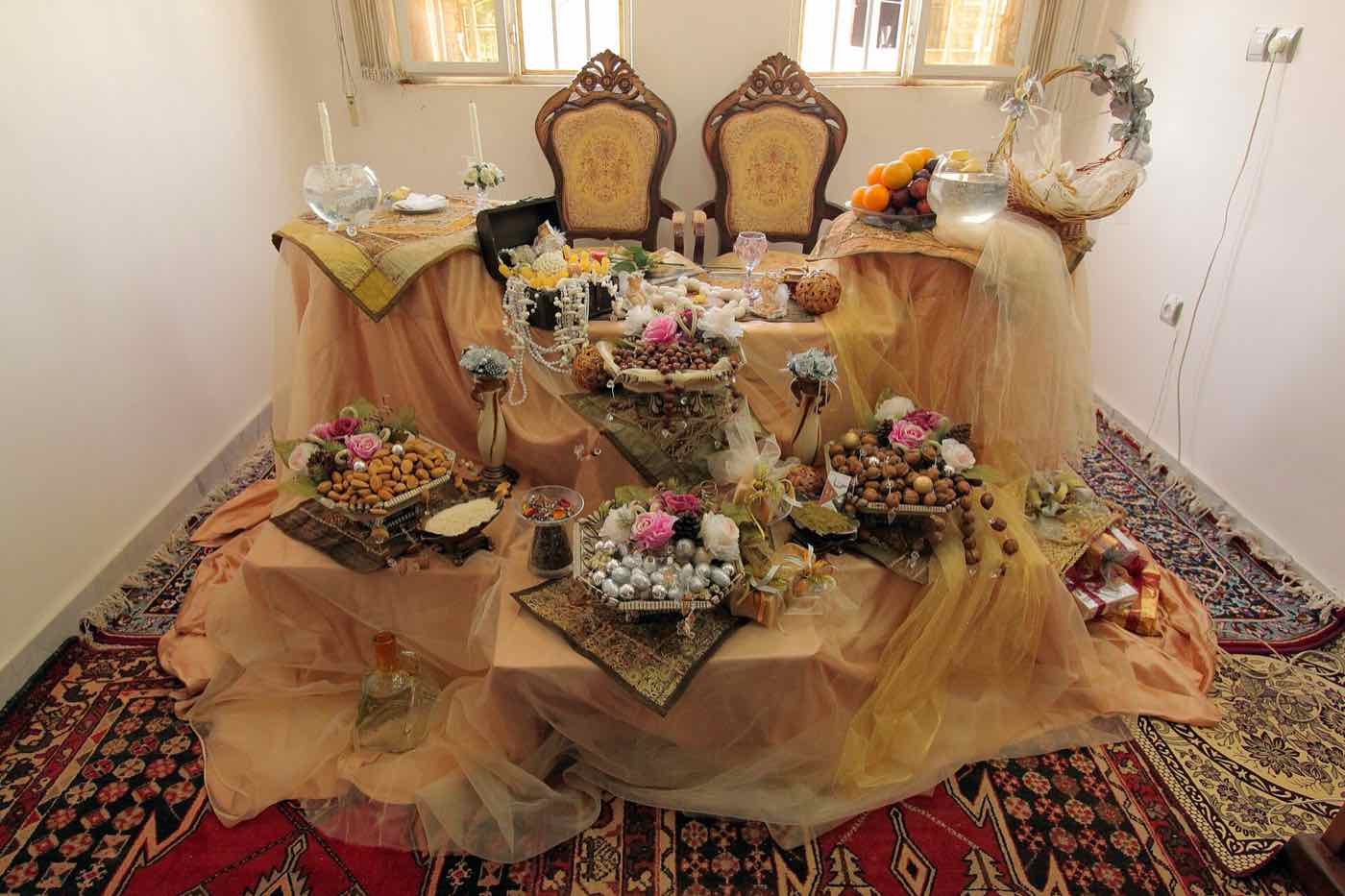
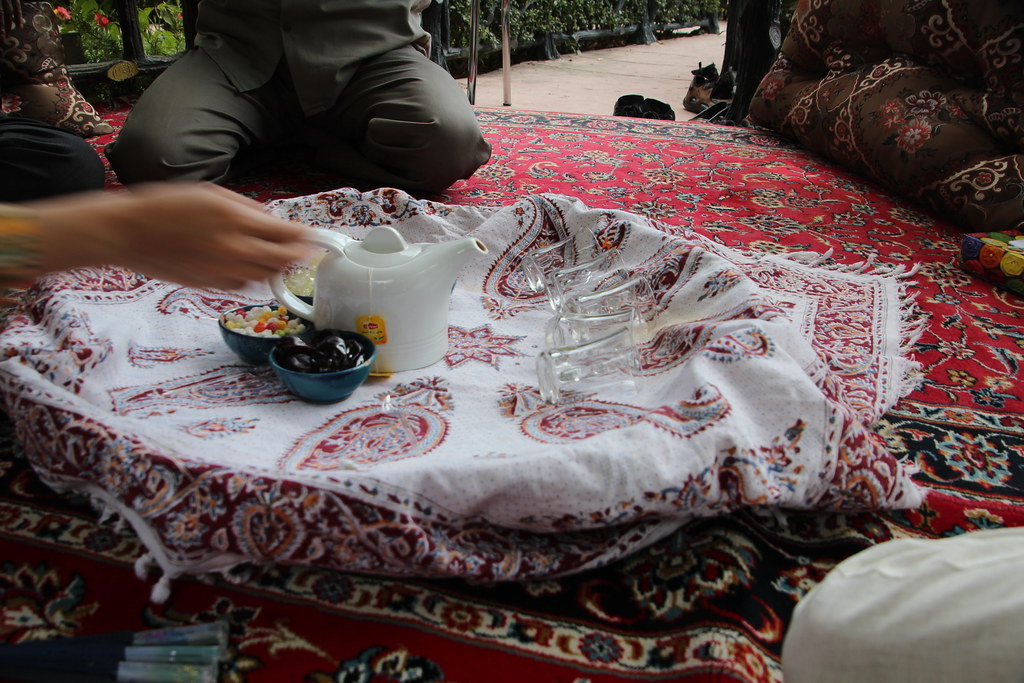
Photo: matryosha, CC BY 2.0, Flickr
By the Delband team
The khastegari is the question. The baleh boroon is the answer. In a traditional Persian engagement, once one family has formally asked for a hand in marriage and the other has had time to think, the two families meet again to “take out the yes”, which is what baleh boroon literally means. It is the moment an engagement stops being a private hope and becomes a family fact, with a ring, sweets, and a surprisingly practical conversation about dates and details.
If you haven't read it yet, start with our step-by-step guide to khastegari, the proposal visit that comes first. This guide picks up where that one ends.
Where baleh boroon fits in a Persian engagement
| Step | What happens | Who is there |
|---|---|---|
| Khastegari | The groom's family visits to ask for the bride's hand | The couple and their parents, sometimes a grandparent |
| Baleh boroon | The families confirm the engagement and agree the main terms | Parents, elders and close relatives of both sides |
| Shirini khoran / namzadi | Sweets, rings and an engagement celebration | A wider circle of family and friends |
| Aghd | The marriage ceremony and contract | Close family and friends |
| Aroosi | The wedding party | Everyone |
Historically, the baleh boroon was a gathering of elders and close relatives where the families got to know each other, discussed the wedding details and formally confirmed the engagement. It usually takes place at the bride's family home, a little while after the khastegari, once her family has signalled that the answer is yes.
What gets discussed at a baleh boroon
This is the business meeting of a Persian engagement, though nobody would ever call it that out loud. Tea and fruit go round, compliments fly, and in between, the elders work through the practical questions.
- The mehrieh: the gift or sum promised to the bride in the marriage contract. Read our mehrieh guide for how families approach it today.
- The timeline: how long the engagement will be, and when the aghd and aroosi might happen.
- Where the couple will live, and roughly what each family expects to contribute to the new home.
- The size and style of the wedding: one event or two, how many guests, which traditions.
- In some families, a shirbaha: traditionally a payment to the bride's mother, literally the “price of milk”. Many modern families drop it or keep it as a token.
The ring and the gifts
The groom's family usually brings a gift for the bride to the baleh boroon. The traditional gift is a ring, sometimes with other jewellery. The groom's side also usually arrives with flowers and a large box of sweets, and the bride's family may give a gift to the groom in return.
Later, before the aghd, the couple often go shopping for wedding rings, and in many families the groom's side buys the bride a jewellery set, given at the aghd. Our Persian wedding gift etiquette guide covers who gives what at each stage.
Shirini khoran and the namzadi party
Baleh boroon
بلهبرون
“Taking out the yes”. The gathering where the families confirm the engagement and agree the main terms.
Shirini khoran
شیرینیخوران
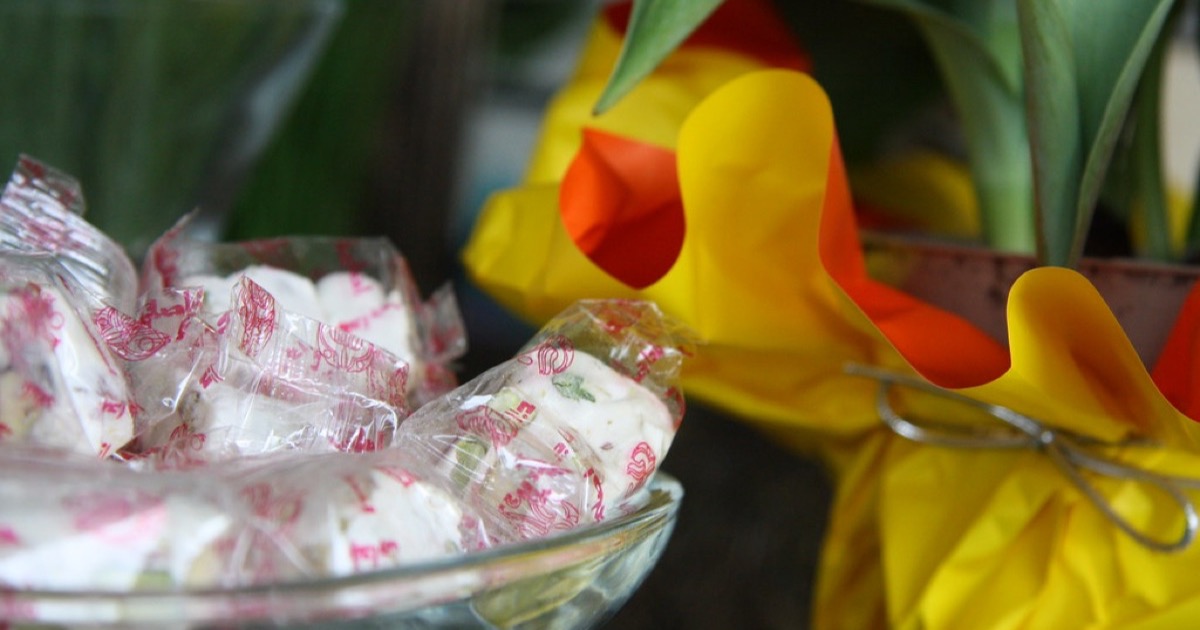
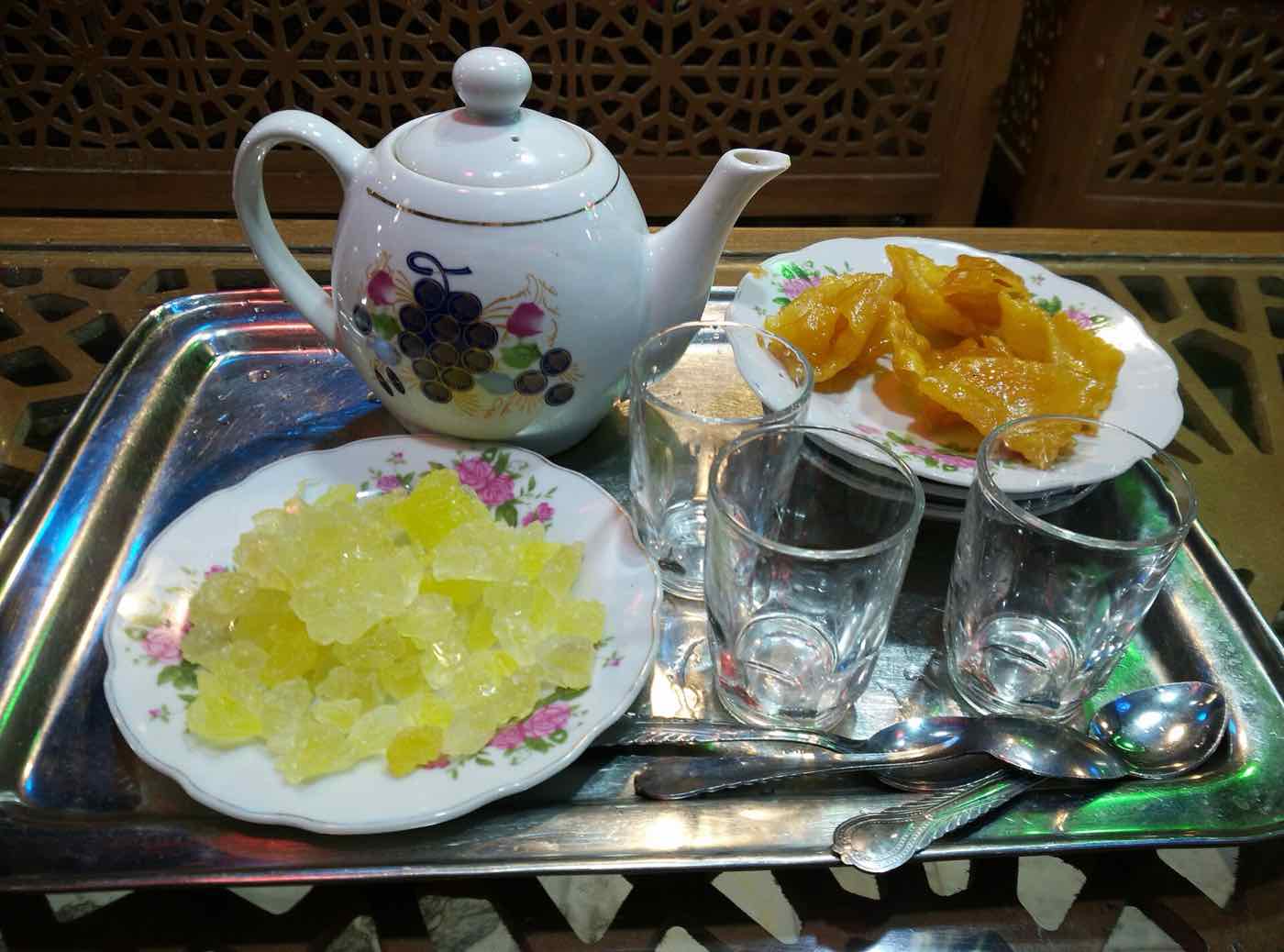
“Eating sweets”. A celebration with tea and pastries such as bamieh, nan-e berenji and ajil, symbolising a sweet life ahead. In some families it is the same evening as the baleh boroon.
Namzadi
نامزدی
Engagement, and the engagement party itself, which can be anything from a family dinner to a full celebration with music.
Namzad
نامزد
Fiancé or fiancée. The same word works for both.
Shirbaha
شیربها
“Milk price”, a traditional payment to the bride's mother. Now often symbolic or skipped.
Jahizieh
جهیزیه
The household goods the bride's family traditionally provides for the new home.
In a Persian engagement, the yes is said twice: once by the bride, and once by her family over a tray of sweets.
How diaspora families do baleh boroon today
Outside Iran, the full sequence is often compressed. Many couples who met on their own, at university, through friends or on an app, do a light khastegari and baleh boroon in a single evening, then hold one engagement party. Others skip the formal steps and simply have the families meet for dinner. What usually survives is the spirit: the families meeting properly, the flowers and sweets, and a clear moment where everyone agrees the couple are engaged.
If one partner isn't Iranian, the baleh boroon can be the first time their parents meet a Persian family at full strength. Brief them on the basics, from accepting the second offer of tea to the art of taarof, and remind them that the warmth is real even when the questions are direct. Our guide to dating a non-Iranian has more on bridging the two families.
Hosting a baleh boroon: a practical checklist
Set the date through the parents
Traditionally the groom's family asks to visit and the bride's family sets the time. Even when the couple arrange it, let the call come from the parents.
Prepare the table
Fresh fruit, ajil, pastries and plenty of tea. Many families serve a full dinner afterwards.
Agree who speaks for each family
Usually a father, mother or respected elder. Knowing in advance who leads avoids awkward silences, and awkward interruptions.
Keep notes on what is agreed
Dates, the mehrieh, and expectations about the wedding. A short written summary shared afterwards prevents later misunderstandings.
End with sweets and the ring
Once the main points are settled, the ring is given, the sweets are opened and the phones come out for photos.
After the baleh boroon: the engagement period
Once the yes has been taken out, the couple are namzad, engaged, and the families start planning in earnest. How long this lasts varies enormously: some couples move to the aghd within weeks, others wait a year or more while they finish studies or save for a home. In many families the engaged couple now go out openly, visit each other's relatives and are invited to family occasions as a pair. It is also a good time to keep talking honestly with each other, about money, children, religion and where you want to live, before the planning takes over. Families have strong opinions about weddings, and a couple that has agreed its own priorities will find the next months much easier.
Frequently asked questions
What does baleh boroon mean?
Baleh means yes and boroon comes from the verb to take out, so baleh boroon is roughly “taking out the yes”. It is the gathering after the khastegari where both families confirm the engagement, agree the main terms and celebrate with sweets.
What is the difference between khastegari and baleh boroon?
Khastegari is the formal visit to ask for the bride's hand, and her family traditionally does not answer that night. Baleh boroon comes later, once the answer is yes. It is when the families agree details like the mehrieh and timeline, and usually when the ring is given.
Who pays for or hosts the baleh boroon?
Traditionally it is held at the bride's family home, with the groom's family arriving as guests bearing flowers, sweets and a gift for the bride. In the diaspora it is also common to hold it at a restaurant, with costs shared or covered by whoever offers first.
What do you bring to a baleh boroon?
If you are the groom's family: a large bouquet, a box of good Persian pastries, and the ring or jewellery for the bride. If you are a guest, flowers or sweets are enough. Dress smartly, as you would for a family celebration.
Is a Persian engagement party the same as baleh boroon?
Not quite. The baleh boroon is the family agreement. The engagement party, often called namzadi or shirini khoran, is the wider celebration. Many diaspora families combine the two into one evening.
Every baleh boroon begins with two people who found each other first. Delband is a free iPhone dating app for the Persian community, with nearby matches and city chat rooms, built for people who'd one day like their parents to be arguing happily over a wedding date.