8 min read ·
Aghd vs Aroosi: The Two Halves of a Persian Wedding
Aghd vs aroosi explained: one is the marriage ceremony, the other the party. When each happens, how far apart they can be, and how diaspora couples plan both.
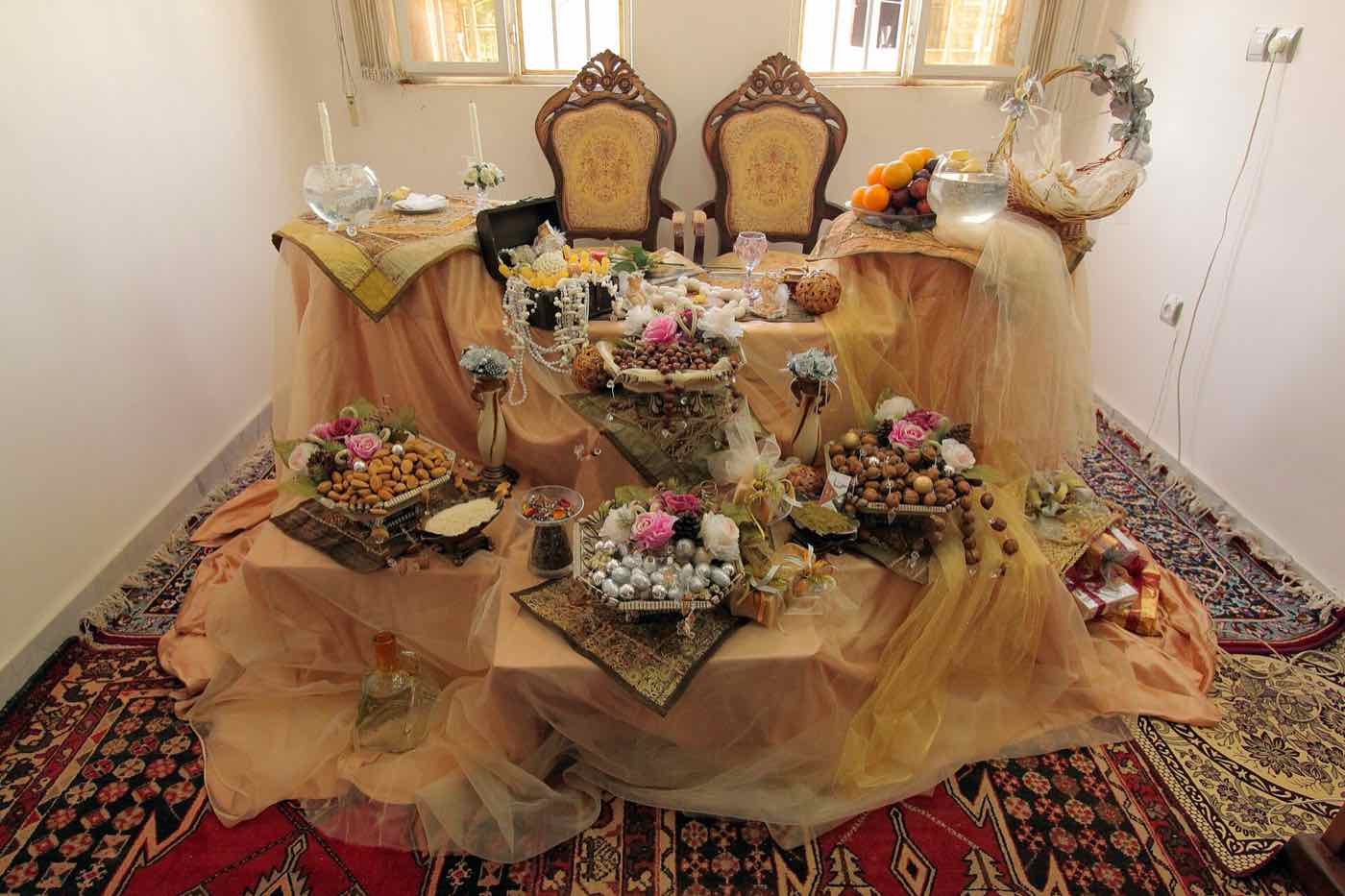
Photo: ezola, CC BY-SA 2.0, Flickr
By the Delband team
Ask an Iranian friend whether their cousin is married yet and you might get an answer that sounds like a riddle: “They've done the aghd, but not the aroosi.” So are they married or not? The short answer to the aghd vs aroosi question is that the aghd is the marriage itself, and the aroosi is the celebration of it. They can happen on the same day, or months, even years apart. Understanding the difference explains a lot about how Persian families think about weddings, and helps you plan or attend either one without confusion.
The aghd: the ceremony that makes you married
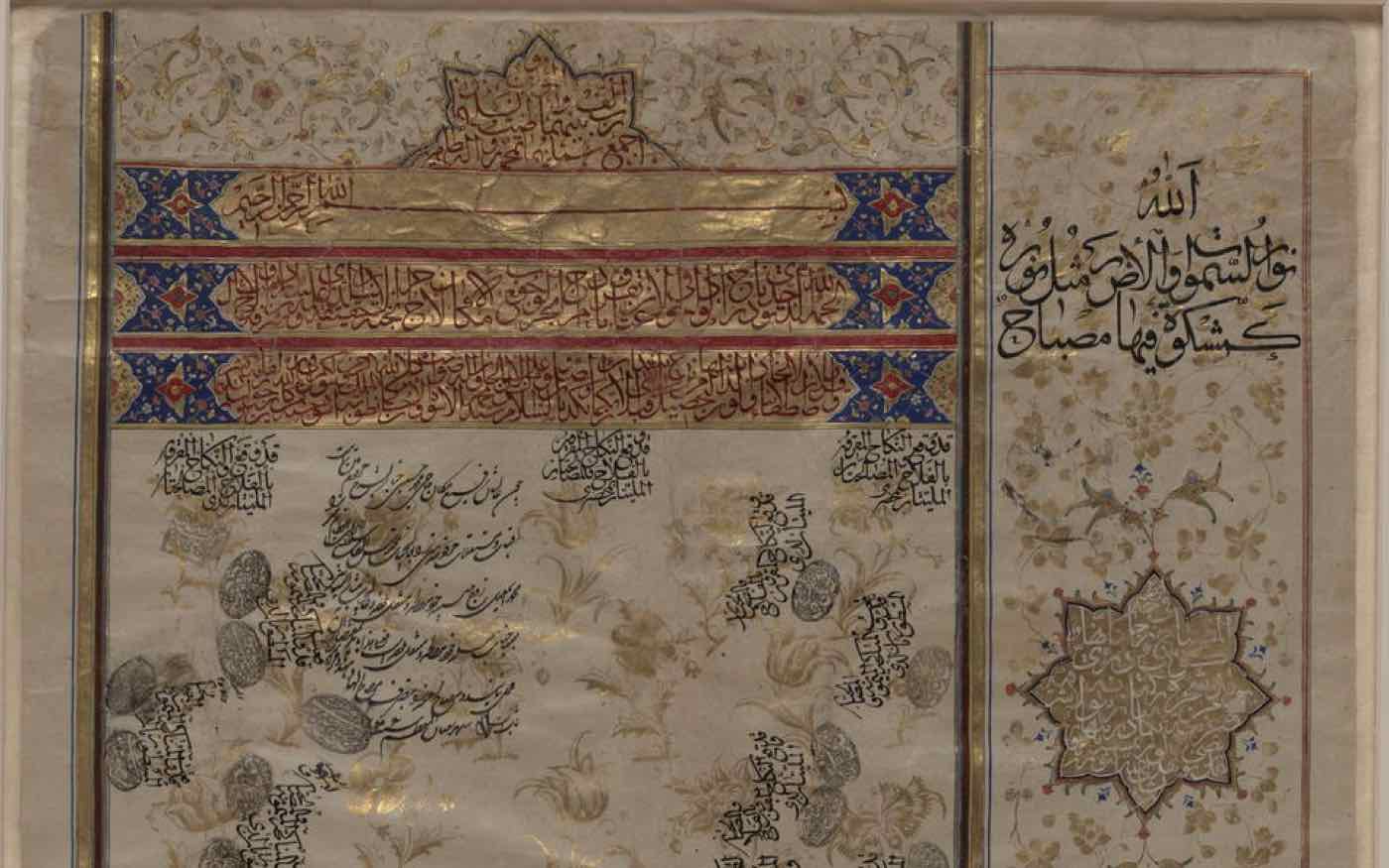
Aghd comes from the Arabic word for a contract or a bond, and that is exactly what it is: the moment the marriage contract is concluded. Encyclopaedia Iranica describes the aghd as the ceremony that legally unites the couple. In Iran, it is performed by an officiant, called an aghed, and registered at a marriage registry office, a daftar-e ezdevaj. In families that marry at home or at a venue, the officiant comes to them, reads the contract and asks the famous question to the bride, who traditionally only answers on the third asking.
The aghd is usually the smaller, more intimate event. Close family and friends gather around the sofreh aghd, the decorated spread of symbolic items, and the mood is emotional rather than rowdy: sugar cones over the couple's heads, honey, tears from grandmothers, and a lot of photographs.
The aroosi: the party everyone remembers
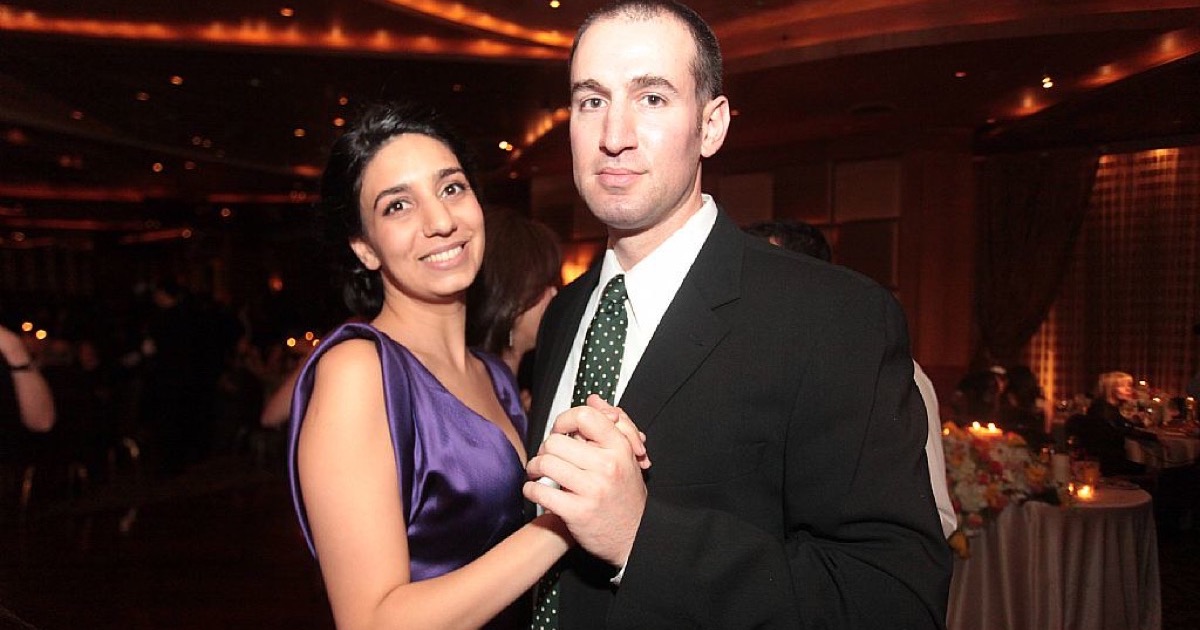
Aroosi literally means wedding, from aroos, bride. In everyday speech it means the big celebration: the hall, the band or DJ, the dinner served late, the dancing that does not stop. Iranica calls it the secular wedding celebration that follows the contract ceremony. This is where you will see the knife dance before the cake, guests showering the couple with cash on the dance floor, and the wedding song “Bada Bada Mobarak Bada” played at least once.
Aghd vs aroosi at a glance
| Aghd | Aroosi | |
|---|---|---|
| What it is | The marriage ceremony and contract | The wedding celebration and reception |
| Main focus | Vows, the sofreh aghd, the bride's “yes” | Dinner, music and dancing |
| Size | Usually smaller: close family and friends | Usually larger: extended family, friends, colleagues |
| Mood | Emotional, symbolic, quieter | Loud, late and celebratory |
| Legal weight in Iran | Yes: the contract is registered | No: it celebrates a marriage that already exists |
| Signature moments | Sugar cones, honey, the third asking | Knife dance, cash showers, the cake |
| Typical gifts | Jewellery or gold for the bride, often from close family | Cash or gifts from guests |
How far apart can the aghd and aroosi be?
Anywhere from a few hours to a few years. Iranica notes that the two may happen on the same day or be separated by days, months or even years. In Iran, a common pattern is to hold the aghd first, sometimes at a registry office with only immediate family, then save for the aroosi and a home. During that in-between period, the couple are legally married and can go out, travel and visit each other's families openly, but often still live apart.
In the diaspora, the gap is usually shorter. Many couples hold the aghd in the afternoon and the aroosi the same evening at the same venue, with a costume change in between. Others hold an intimate aghd at home and a large reception a few weeks later, or do the aghd while visiting relatives and the aroosi back in their home city.
Legal marriage abroad: where the aghd fits
Outside Iran, the legal side of a marriage is governed by the law of the country where you live. In practice that usually means a civil marriage licence and registration, which may be done at city hall, by a licensed officiant at the ceremony, or separately. The Persian aghd is then performed as a cultural and, for religious families, religious ceremony. Some families invite a religious officiant; others ask an elder relative or a close friend to read a symbolic text.
Who traditionally pays for what
Traditions vary a lot by family and region, so treat this as background, not a bill. In many Iranian families the groom's side has historically carried a large share of the aroosi costs, and the groom's family often buys the mirror and candelabras and the bride's jewellery set. The bride's family has traditionally contributed the jahaz or jahizieh, the household goods a new home needs. Most diaspora couples today pay for much of their own wedding, with both families helping where they can, and decide the split openly rather than by custom.
Planning both: a simple timeline
Decide: same day or separate days?
Same day is cheaper and easier for travelling guests. Separate days let the aghd stay small and personal, and stop the aroosi from swallowing it.
Sort the legal paperwork first
Book the civil registration or licensed officiant well ahead, so the aghd can be exactly the ceremony you want.
Build two guest lists
An aghd list of the people you'd want in the room for the vows, and an aroosi list for everyone else. Expect pressure on both. That is normal.
Plan the sofreh and the officiant together
The officiant's reading, the sugar cones and the honey all happen at the sofreh, so walk through the order with whoever is officiating.
Leave room between the two if same day
Guests need time for photos, tea and sweets after the aghd, and the couple need a breather before the party starts.
Before any of this comes the family side. If you are still at the khastegari or baleh boroon stage, start there.
Frequently asked questions
What is the difference between aghd and aroosi?
The aghd is the marriage ceremony, where the contract is concluded and the couple are married, usually around a sofreh aghd with close family. The aroosi is the wedding party and reception that celebrates the marriage. They can be on the same day or far apart.
Are you married after the aghd?
In Iran, yes: the aghd is the legal marriage and is registered. Abroad, legal status depends on local law, so most diaspora couples complete a civil registration as well. Traditionally, couples often start living together only after the aroosi.
Can the aghd and aroosi be on the same day?
Yes, and it is very common in the diaspora. A typical plan is an afternoon aghd with the sofreh and vows, a break for photos and refreshments, then the aroosi reception in the evening, often at the same venue.
What should I wear to an aghd versus an aroosi?
Both are dressy. The aghd is often slightly more formal and understated because it is a ceremony, while the aroosi is evening wear and comfortable shoes for dancing. If the two are on the same day, dress for the evening.
Do I bring a gift to the aghd or the aroosi?
If you are invited to both, you give one gift, usually at the aroosi or after the aghd. Close family often give jewellery or gold at the aghd itself. Our gift etiquette guide covers the details.
Aghd or aroosi, same day or a year apart, it all starts with meeting the right person. Delband is a dating app for the Persian community, free on iPhone, with nearby matches and city chat rooms for people who are looking for something serious.