7 min read ·
The Persian Knife Dance: How It Works and How to Join In
The Persian knife dance explained: why guests dance with the cake knife, how the bidding works, who dances, what the groom pays, and how to join in.
Photo: andrewmalone, CC BY 2.0, Flickr
By the Delband team
The music changes, the lights dim a little, and someone in a sparkly dress walks onto the dance floor holding the cake knife above her head. The bride and groom are not getting that knife back without paying for it. Welcome to the Persian knife dance, or raghs-e chaghoo: part dance-off, part playful ransom, and for many guests the highlight of the whole wedding. Here is how it works, who takes part, and how to make it fun rather than awkward.
What the Persian knife dance is
At most Persian weddings, the cake is cut late in the evening during the aroosi, the reception. Before the couple can cut it, the knife has to be won back. A dancer, usually a bridesmaid, a cousin or a close friend of the bride, takes the decorated knife and dances with it. The couple offer cash to get it back. The dancer teases, takes the money, and then passes the knife to the next dancer instead of handing it over. This repeats several times, with the offers going up, until one final dancer decides she has been paid enough and hands the knife to the couple.
The knife dance is a negotiation in which everyone knows the outcome, and nobody wants it to end too soon.
Where the knife dance comes from
Honest answer: nobody has documented it well. Dance at weddings has a very long history in Iran, and Persian wedding celebrations have always mixed music, dancing and gifts of money. But we could not find a reliable historical source that dates the knife dance itself or traces how it started. Today it is a familiar feature of Persian weddings, especially in the diaspora, where the cake-cutting moment of a Western-style reception has been given an unmistakably Iranian twist. If anyone tells you it is thousands of years old, ask for a source.
How the knife dance works, step by step
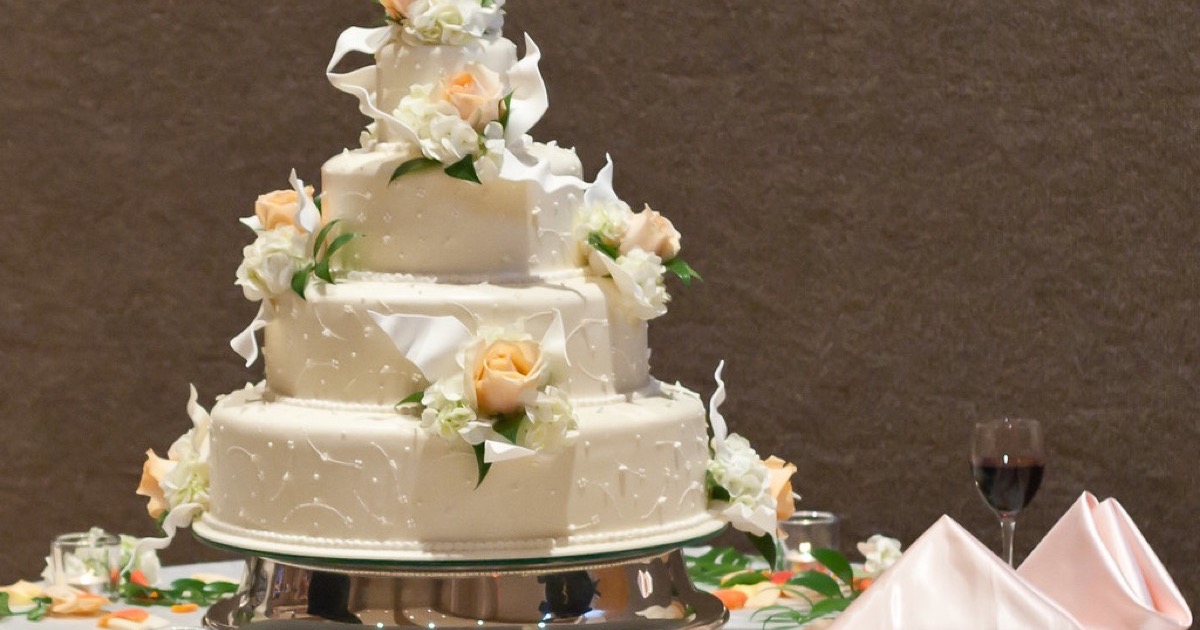
The cake is wheeled out
The DJ or band announces the cake. The couple stand by it, ready, and the cake knife, often tied with ribbon and flowers, is suddenly nowhere to be found.
The first dancer takes the knife
Usually a bridesmaid or close friend. She dances to an upbeat Persian song, waving the knife and keeping it just out of reach.
The groom (or the couple) pays
The groom offers a note. She accepts it, then theatrically refuses to hand over the knife and passes it to another dancer.
The price goes up
Each new dancer demands a bit more. Friends cheer, the groom pretends to empty his pockets, and relatives sometimes slip him extra cash.
The knife is finally surrendered
The last dancer hands it over, the couple cut the cake together, and the dance floor erupts again.
Who dances, and the unwritten rules
| Role | What they do | Unwritten rule |
|---|---|---|
| Dancers | Bridesmaids, cousins and friends take turns with the knife | Keep it short and fun; two or three songs in total is plenty |
| The groom | Pays each dancer to win back the knife | Play along; pretending to be outraged is part of the show |
| The bride | Cheers on her friends, sometimes joins in | Often the one who secretly signals when it's time to stop |
| The DJ | Picks the music and keeps the energy up | Brief them on the order of events before the night |
| Guests | Clap, film and shout encouragement | Don't grab the knife unless you've been invited to dance |
Some couples now include groomsmen or male friends in the knife dance too, and some invite a non-Iranian friend to have a turn so they feel part of it. Safety matters: most couples use a blunt-edged decorative cake knife, and the dancers hold it by the handle, pointing up, at all times.
Shabash and other money moments at a Persian wedding
Raghs-e chaghoo
رقص چاقو
The knife dance before the cake is cut.
Shabash
شاباش
Cash showered over, or tucked into the hands of, the couple or dancers on the dance floor. A sign of joy and generosity.
Aroosi
عروسی
The wedding party where the knife dance happens. See our guide to [aghd vs aroosi](/blog/aghd-vs-aroosi).
Bada bada mobarak bada
بادا بادا مبارک بادا
“May it be blessed”: the traditional wedding song nearly every Persian guest can sing along to.
If you're attending your first Persian wedding, our overview of Persian wedding traditions explains the rest of the evening, and our guide to wedding gift etiquette covers what to put in the envelope.
Planning a knife dance at your own wedding
- Pick your dancers in advance and tell them the order, so nobody freezes on the floor.
- Choose two or three songs you love. Upbeat Persian pop works best, and the DJ should know exactly when to fade out.
- Prepare small notes in an envelope for the groom, and decide what happens to the money. Many dancers give it back or the couple donate it.
- If many guests aren't Iranian, ask the DJ or emcee to explain the game in one sentence before it starts.
- Keep it under ten minutes. The best knife dances end while everyone still wants more.
Tips for guests watching their first knife dance
If you are a guest rather than a dancer, your job is simple: make noise. Clap along, cheer each dancer, and laugh when the groom pretends to have run out of money. It is fine to film, but keep your phone out of the dancers' way. If you are a friend of the couple and someone hands you the knife unexpectedly, don't panic. Dance for a few bars, accept the note the groom offers, and pass the knife on with a flourish. Nobody is judging your technique; enthusiasm counts far more than skill. And if you are not comfortable dancing at all, a smile and a quick handover to the next person is perfectly polite. The whole point is that everyone enjoys the moment together before the cake is finally cut and dessert is served.
Frequently asked questions
What is the knife dance at a Persian wedding?
It is a playful tradition before the cake is cut. Bridesmaids or friends take turns dancing with the cake knife, and the groom or couple must pay each dancer to get it back. The knife is passed along several times before the last dancer finally hands it over.
Who traditionally does the knife dance?
Usually the bride's bridesmaids, sisters, cousins or close friends. Today many couples also include groomsmen or male friends, and sometimes invite non-Iranian friends to take a turn. The couple decide who dances.
How much money do you give in the knife dance?
There is no set amount. It is a game, and sums are usually modest, increasing a little with each dancer. Many grooms carry a stack of small notes prepared in advance. Dancers often give the money back or it goes to a cause the couple choose.
What music is played for the knife dance?
Upbeat Persian pop or dance songs that everyone knows, chosen by the couple and the DJ. Keep it to two or three songs so the moment stays lively.
Is the knife dance an ancient tradition?
Dancing and money gifts at Persian weddings have a long history, but we couldn't find reliable sources that date the knife dance itself. It is best described as a well-loved modern custom, especially popular at diaspora weddings.
Somewhere out there is the person you'll one day pay a dozen bridesmaids to cut a cake with. Delband is a free iPhone dating app for the Persian community, with nearby matches and city chat rooms, built for people looking for something real.