7 min read ·
Hanabandan: The Persian Henna Night Before the Wedding
Hanabandan, the Persian henna night before a wedding: what happens, who comes, what henna means, regional and Jewish traditions, and how to host one.
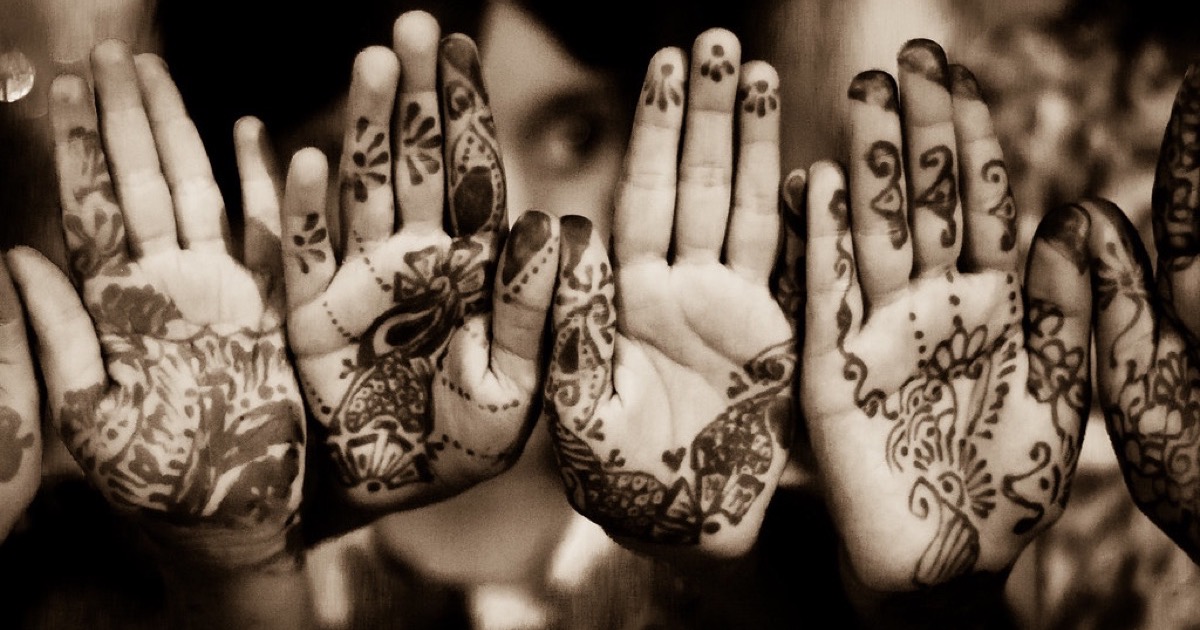
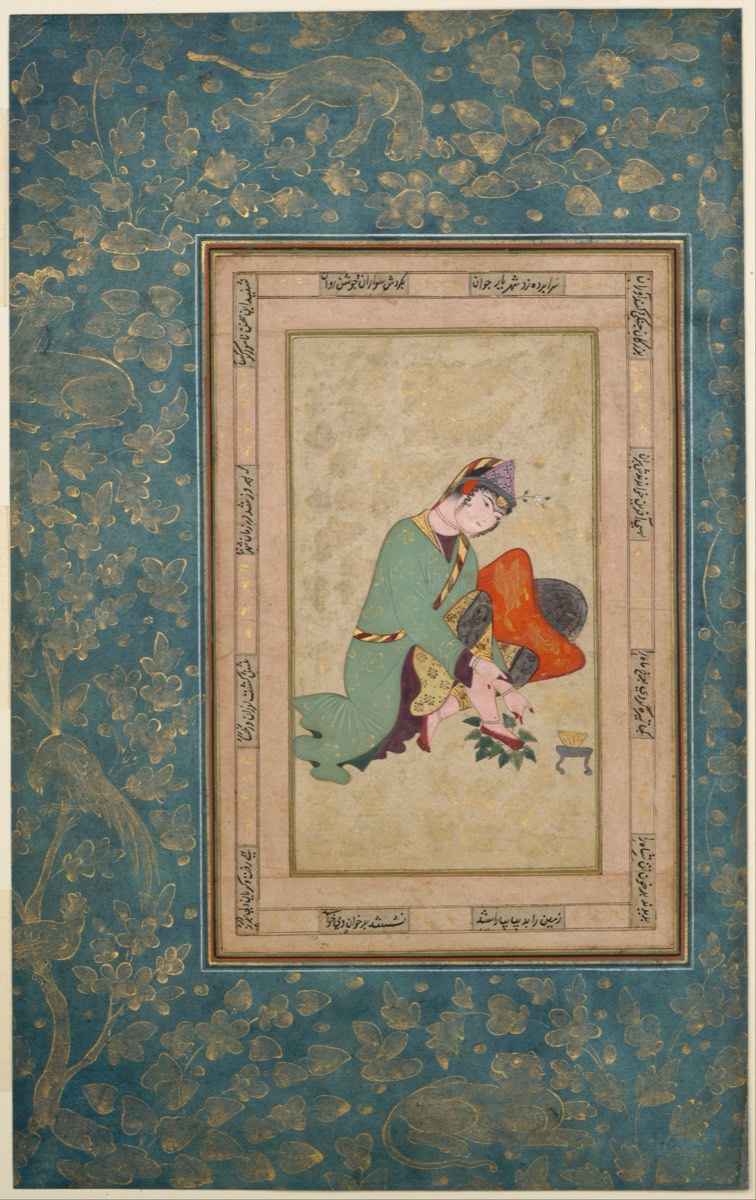
Photo: Izzah Zainab, CC BY 2.0, Flickr
By the Delband team
The night before a traditional Persian wedding, the music starts early and the women of the family gather around a tray of candles and a bowl of green-brown paste. This is hanabandan, the Persian henna night: an evening of songs, sweets and blessings where henna is applied to the bride's hands for joy and good luck. It is older and more intimate than the big wedding party, and in many diaspora families it is enjoying a quiet revival.
What hanabandan means
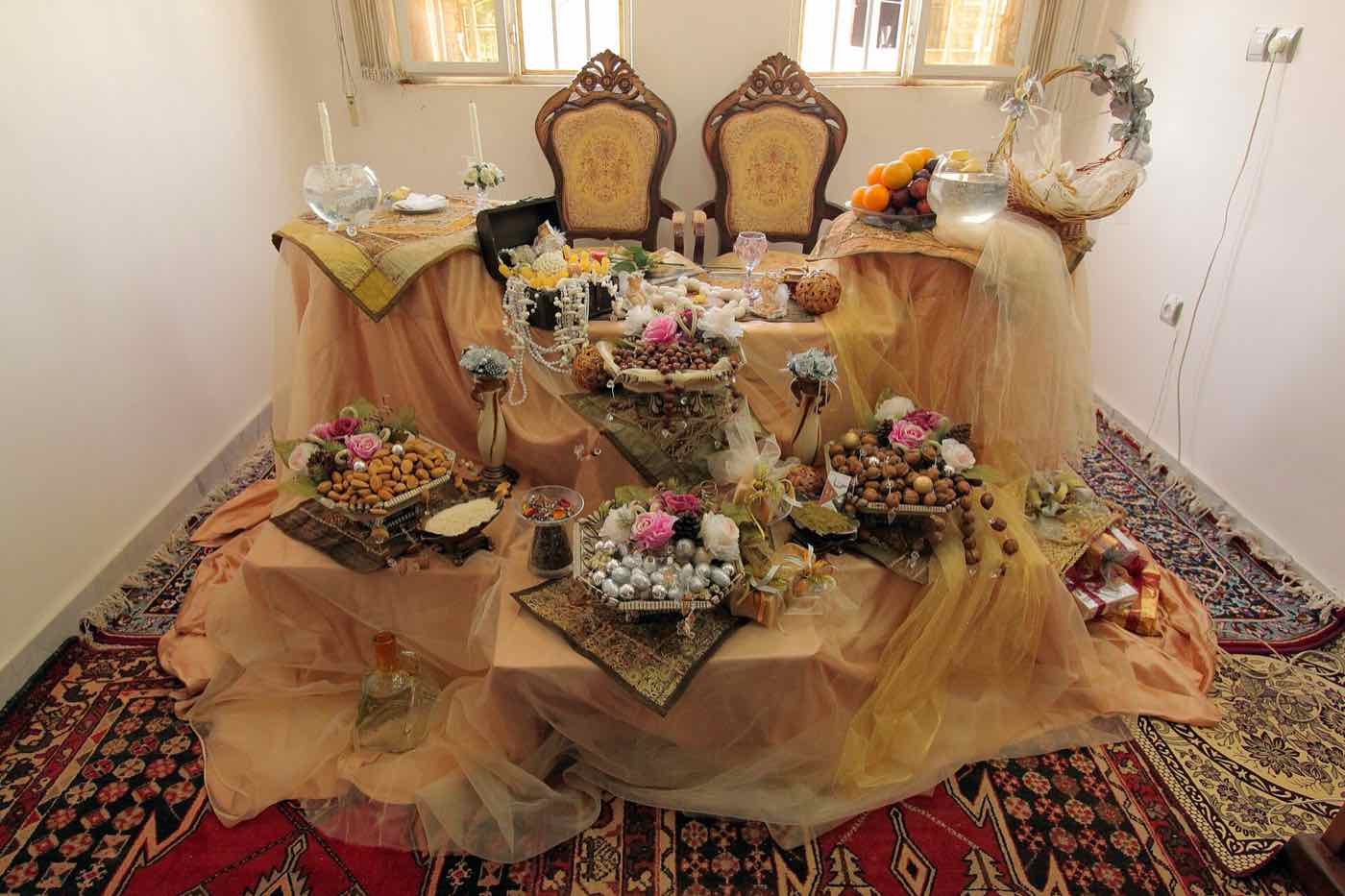
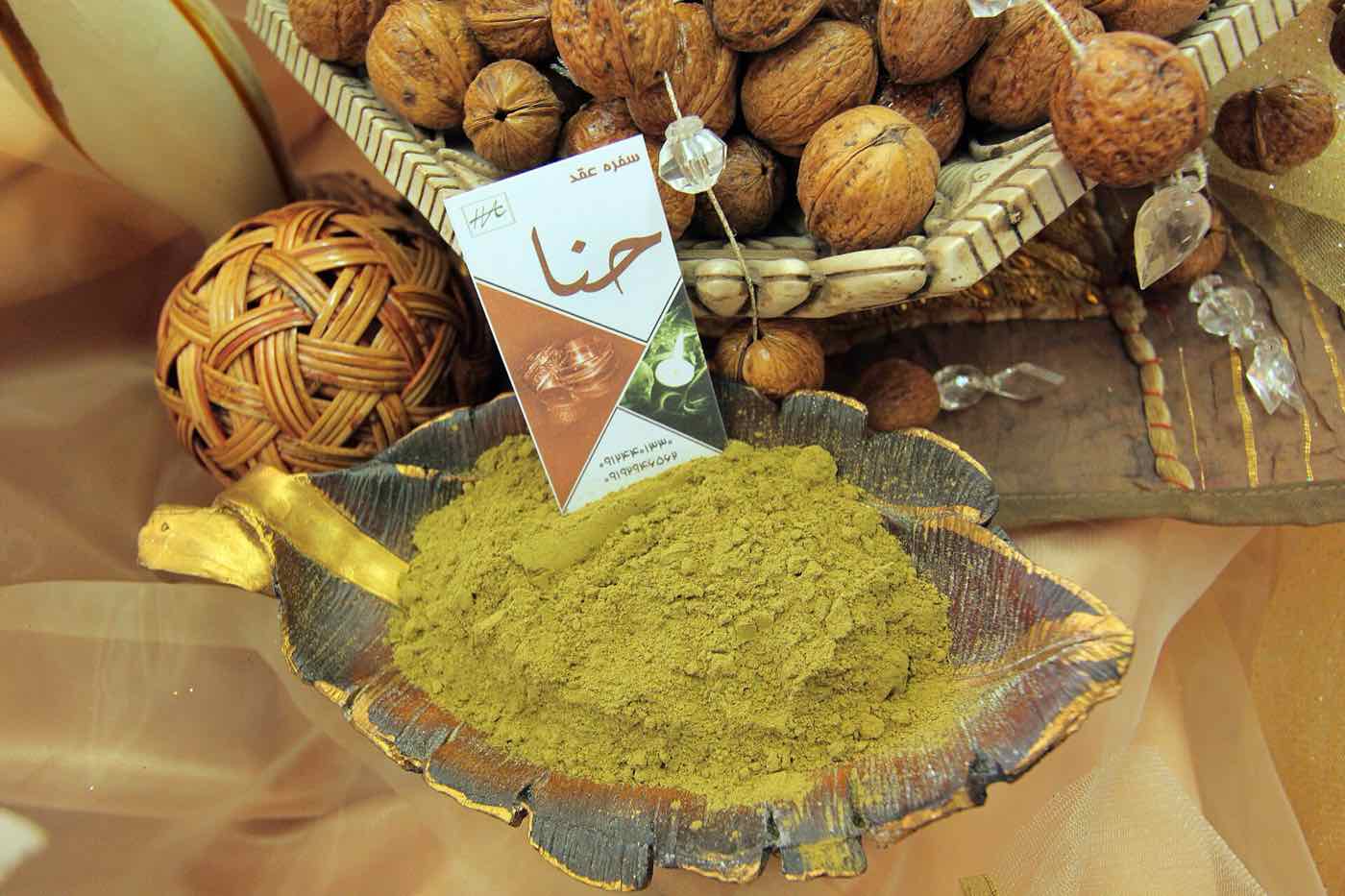
Hana is henna, and bandan comes from bastan, to tie or bind, because the henna paste was traditionally bound onto the hands with cloth while it set. So hanabandan is roughly “henna binding”. Henna itself has long been associated with celebration and good fortune across Iran and the wider region, from Nowruz to weddings, and a bowl of henna often appears on the sofreh aghd as well.
What happens at a traditional henna night
Customs vary by region and family, but descriptions of the traditional ceremony share a familiar shape. It is usually held a day before the wedding, most often at the bride's family home, and mostly among women. The henna is commonly brought by the groom's family, sometimes on decorated trays with other gifts.
Preparing the henna
Dry henna is broken up and mixed with water, often by a woman whose own marriage is happy, so that her good fortune passes to the bride.
Bringing in the bride
The bride, dressed for the occasion and sometimes veiled, is brought into the middle of the room with songs about henna and weddings.
The tray of candles
The henna paste is carried in on a tray surrounded by candles and set in the centre of the room.
Coins in the palm
In some traditions a coin or piece of gold is placed in the bride's hand before the henna is applied, as a wish for prosperity.
Applying the henna
A happily married woman applies henna to one hand, and often a young girl to the other. In some places guests receive a dab of henna too.
Music until late
Then come sweets, dancing and folk songs. Close friends often stay with the bride late into the night.
Regional and community traditions
Iran is a country of many regions and communities, and henna nights take many forms. Henna ceremonies are found among many of Iran's peoples and in the wider region: Turkish families have the kına gecesi, South Asian families the mehndi night, and Sephardi and Mizrahi Jewish communities their own henna celebrations. Among Iranian Jews, hanabandan is a well-known pre-wedding tradition, and Persian Jewish families in Los Angeles and elsewhere have kept it alive. If you are marrying into one of these communities, ask which version the family knows. Our guide to Persian Jewish dating has more on that community's traditions.
Hanabandan
حنابندان
The henna night before the wedding. Also spelled hana bandan or hanabandoon.
Hana
حنا
Henna, the plant-based dye that leaves an orange to deep red-brown stain on skin.
Hana gozashtan
حنا گذاشتن
To apply henna.
Aroos
عروس
Bride. Dāmād (داماد) is the groom.
Shab-e hana
شب حنا
Henna night, another everyday name for the evening.
Hanabandan vs mehndi vs kına gecesi
| Persian hanabandan | South Asian mehndi | Turkish kına gecesi | |
|---|---|---|---|
| When | Usually the day or night before the wedding | Usually one or two days before | Usually the night before |
| Who | Traditionally mostly women | Often both families, men and women | Traditionally mostly women |
| Henna style | Traditionally a simple stain on palms and fingertips | Often very intricate patterns | Often a coin-sized circle or a simple stain |
| Mood | Songs, sweets, blessings, dancing | Music, dancing, often large-scale | Songs, often emotional farewells |
Hosting a modern henna night
- Keep it small. The charm of hanabandan is that it is intimate: the bride's closest women, a few elders, good music.
- Invite a henna artist if you want patterns, or keep the traditional simple stain on the palms and fingertips.
- Natural henna takes time. Plan for the paste to sit for a few hours, and apply it a day or two before photos so the colour deepens.
- Avoid “black henna”. Health authorities warn that products sold under this name can contain a dye (PPD) that causes serious skin reactions. Use natural henna only.
- Mix in the groom's side. In many modern families the groom's mother or sisters bring the henna and gifts, which is a lovely way to bring the two families together before the wedding.
- Share the songs. Ask older relatives to teach the traditional henna songs, and record them.
The henna night is just one of the pre-wedding traditions. For the rest of the journey, see our guides to the baleh boroon engagement gathering and the difference between the aghd and aroosi.
Why the henna night is coming back
For a while, many urban and diaspora families let the henna night lapse, folding it into a bridal shower or skipping it entirely. In recent years it has been making a quiet comeback. Part of the reason is that couples want wedding traditions that feel personal rather than generic, and hanabandan is small, intimate and full of family history. Another reason is that it gives older relatives a central role: grandmothers and aunts who know the songs and the order of things become the stars of the evening. For brides marrying someone from another culture, it can also be a gentle way to introduce the groom's family to Persian customs in a relaxed setting, before the bigger and busier wedding day. Some couples now hold a joint henna evening for both families, with music, food and a henna artist, keeping the spirit of the tradition while making it their own.
Frequently asked questions
What is hanabandan?
Hanabandan is the Persian henna night, traditionally held the day or night before the wedding, usually at the bride's home and mostly among women. Henna is applied to the bride's hands with songs and blessings, often by a happily married woman, as a wish for joy and good fortune.
Who brings the henna to a Persian henna night?
Traditionally the groom's family brings the henna, sometimes with other gifts on decorated trays. Today it is often whoever is hosting, and many couples simply book a henna artist.
Do men attend hanabandan?
Traditionally it was mainly a women's gathering. Many modern families invite everyone, or hold a women-only henna session followed by a mixed party. The couple and their families decide.
Is hanabandan a Jewish or Muslim tradition?
Neither exclusively. It is a regional cultural tradition found among many communities in Iran. It is particularly well known among Iranian Jewish families, but Muslim, Christian and secular Iranian families have henna nights too.
How long does henna need to stay on?
Natural henna paste is usually left on for several hours, and the stain darkens over the next day or two. That is why many brides do their henna a day or two before the wedding. Avoid black henna, which can cause serious skin reactions.
Long before the henna night comes a first conversation. Delband is a free dating app for the Persian community on iPhone, with nearby matches and city chat rooms, for people hoping to one day have a bowl of henna and a room full of aunts singing for them.