6 min read ·
Persian Matchmaker vs. Dating App: Which Fits You?
Persian matchmaker, family introduction, or dating app? How traditional matchmaking compares with modern apps for Iranian singles, and how to combine them.
Photo: EiersalatmitGurken, CC0, Wikimedia Commons
By the Delband team
For generations, a Persian matchmaker wasn't a profession so much as a role: an aunt, a family friend, a neighbour who knew everyone's children and quietly suggested that two families should meet. That tradition is alive in the diaspora — alongside paid matchmaking services and, increasingly, dating apps. Each route has real strengths. This guide compares them honestly so you can decide which fits your life, or how to use more than one.
How Persian matchmaking traditionally works
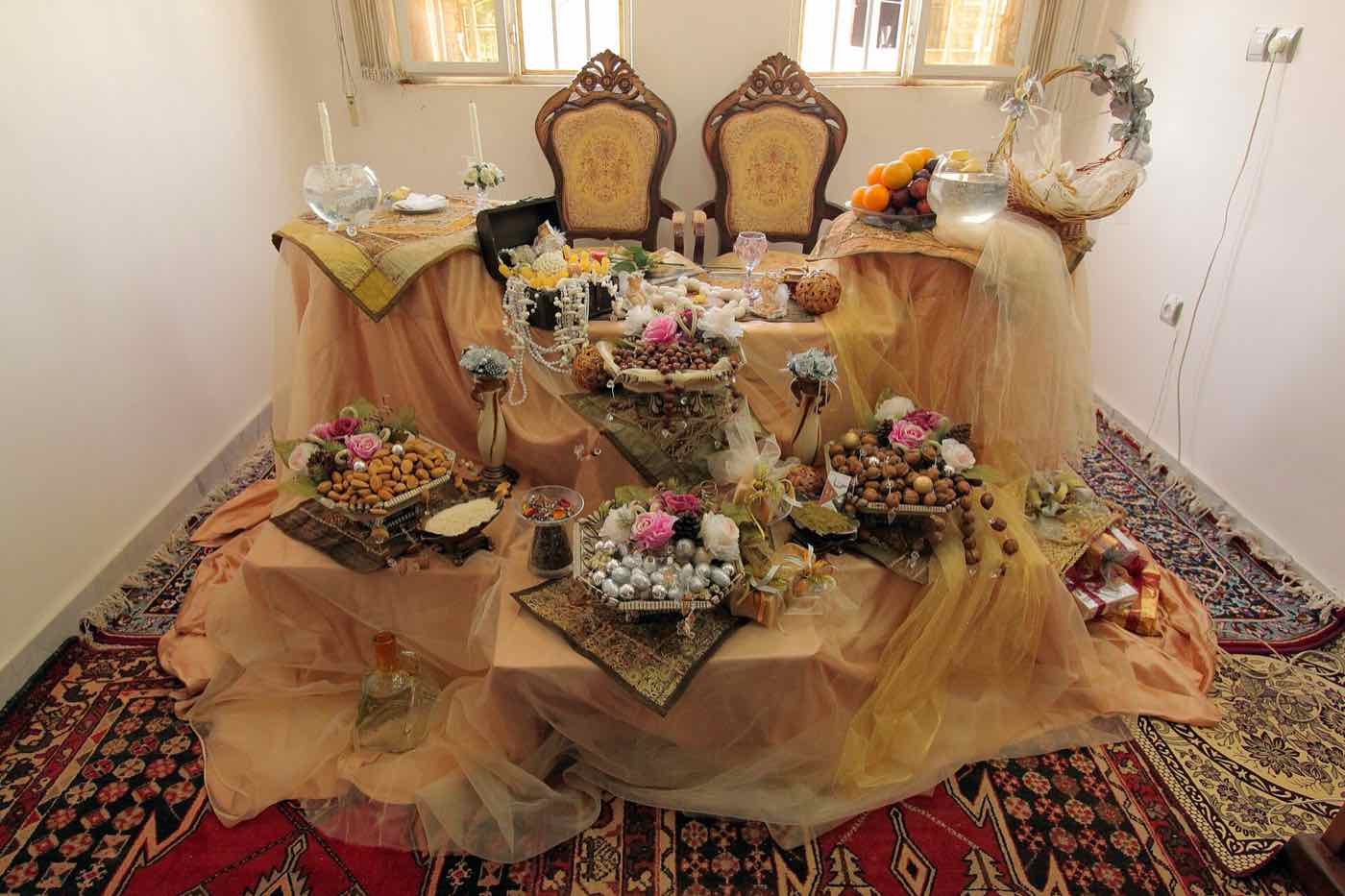
In the classic pattern, an introduction comes through someone both families trust. If there's interest, it can lead to a khastegari — the formal visit in which a suitor's family calls on the other family's home, tea is served, and both sides get a sense of each other. The introducer's reputation is part of the deal: they've vouched for both people, which is exactly why families value the route.
mo'arefi
معرفی
introduction
Being introduced to someone, often through family or friends.
vaseteh
واسطه
go-between, intermediary
The person who connects two families.
khastegari
خواستگاری
formal courtship visit
The suitor's family visits to ask for a match.
ashnayi
آشنایی
getting acquainted
Often used for meeting and getting to know someone.
Matchmaking in the diaspora today
Abroad, matchmaking takes a few forms. Family and community introductions still happen, especially in close-knit communities — the Persian Jewish community in Los Angeles, for instance, has been covered in the local press for keeping khastegari-style introductions alive. Some people pay professional matchmakers, who interview clients, screen candidates and arrange introductions; fees and quality vary widely, so ask for clear terms in writing. And many singles now quietly combine an app with family suggestions.
Persian matchmaker vs. dating app compared
| Family or community matchmaker | Professional matchmaker | Persian dating app | |
|---|---|---|---|
| Who chooses | The introducer suggests; you decide | The matchmaker shortlists; you decide | You browse and decide |
| Pool size | Whoever the introducer knows | The service's client list and network | Everyone on the app, often sorted by distance |
| Vetting | Personal reputation and family knowledge | Interviews and screening, varies by service | Platform verification plus your own checks |
| Cost | Usually none, but social obligations | Fees vary widely | Often free to download, with optional paid tiers |
| Pace | Can move fast toward family meetings | Set by the service | Set by you |
| Privacy | Families and friends know early | Confidential between you and the service | Your choice when to tell anyone |
What matchmakers do better
- Trust: an introduction from someone who knows both families carries a kind of vetting no app can replicate.
- Intent: people introduced this way are usually serious about marriage.
- Family fit: the introducer has already considered values, expectations and how the families might get along.
- Less admin: no profiles to write or messages to manage.
What dating apps do better
- Choice and agency: you see many people and decide yourself, at your own pace.
- Reach: you aren't limited to who one aunt happens to know — useful if you're new to a city or your family is in Iran.
- Privacy: you choose when to involve family, instead of the whole circle hearing about a first coffee.
- Range of intent: from getting to know people to dating for marriage, you can say what you want up front.
The goal of any introduction, old or new, is the same: two people deciding for themselves.
— Delband editorial
Combining both: a modern approach
Tell family what you're looking for, not just that you're looking
Specific values and deal-breakers help a relative make better suggestions — and reduce awkward introductions.
Treat every introduction like a first date
Whether it comes from an aunt or an app, meet in public, talk on video first if you haven't met, and take your time.
Use an app to widen your circle
Apps reach people your family doesn't know. If one becomes serious, there's still room for the traditional steps — see meeting Persian parents.
Set boundaries kindly
If family suggestions feel like pressure, our guide to telling Persian parents you're dating has scripts for that conversation.
Questions to ask a professional matchmaker
If you're considering a paid matchmaking service, treat it like any other significant purchase. Fees, methods and results vary widely, and there's no industry-wide standard. Before signing anything, ask:
- How many introductions are included, and over what period?
- How are candidates found and screened — from an existing client list, through outreach, or both?
- Do they work specifically with Persian and Iranian clients, and in which cities?
- What happens if an introduction isn't a good fit, and what is the refund or pause policy?
- How is your personal information stored and who sees it?
A trustworthy service will answer clearly and in writing. Be wary of anyone who pressures you to pay immediately or promises a guaranteed outcome.
It's worth saying that matchmaking and apps share the same weak point: neither can tell you whether two people will actually get on. Only time together does that. Whichever route brings you a first meeting, treat it as the start of getting to know someone rather than a decision, and give yourself permission to say no kindly if it isn't right — even when the introduction came from someone you love.
Frequently asked questions
Do Persian matchmakers still exist?
Yes. Informal matchmaking through family and community is still common in many Iranian families abroad, and some people use paid professional matchmakers. Formats and costs vary, so ask any paid service for clear terms before signing up.
Is a matchmaker better than a dating app for marriage?
A trusted introducer brings built-in vetting and marriage intent; an app brings choice, reach and privacy. Many people find the best results by combining them — using an app to meet people and involving family once things get serious.
What is khastegari?
Khastegari is the traditional Persian courtship visit, when a suitor's family visits the other family's home to propose a match. Today it's often a formality after a couple has already met. Our khastegari guide explains each step.
How do I tell my family I'd rather use a dating app?
Lead with what you share: you both want you to find a good partner. Explain that an app widens the circle, and offer to involve them once someone becomes serious. Respect goes both ways.
Matchmaking and apps aren't rivals so much as two doors into the same room. If you'd like the app door — Persian and Iranian singles, nearest first, at your own pace — Delband is free to download on iPhone, and your aunt is still welcome to send suggestions.