7 min read ·
Persian Dating in Germany: Meeting Iranian Singles
Persian dating in Germany, backed by Destatis figures: how many Iranians live here, why so many are recent arrivals, and how to meet Iranian singles nearby.
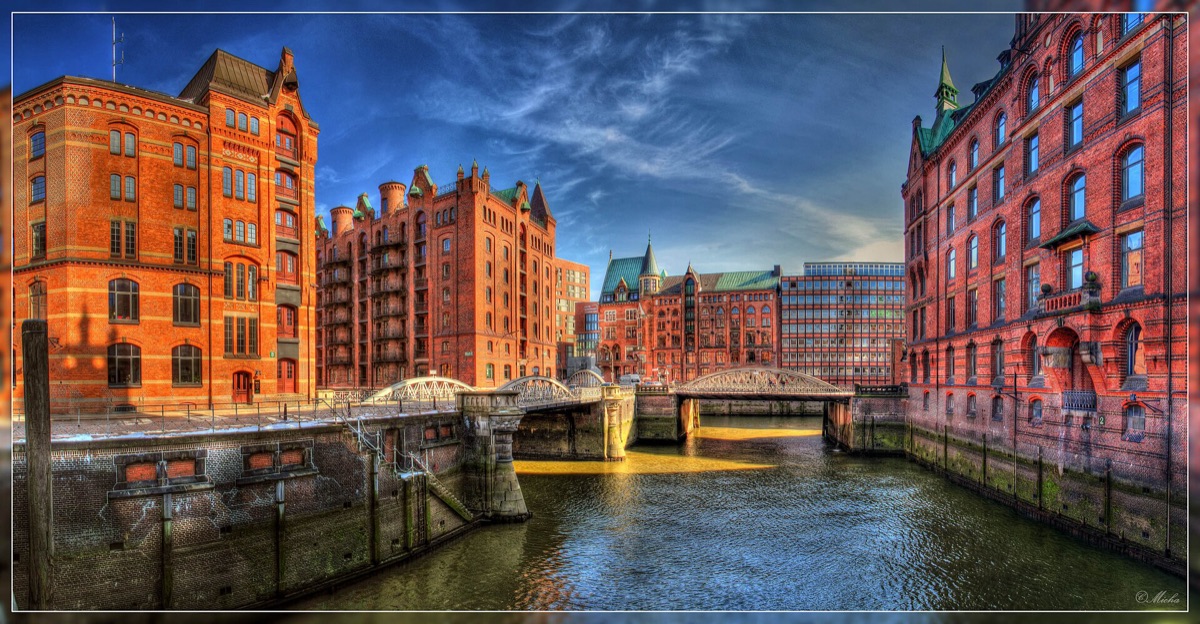
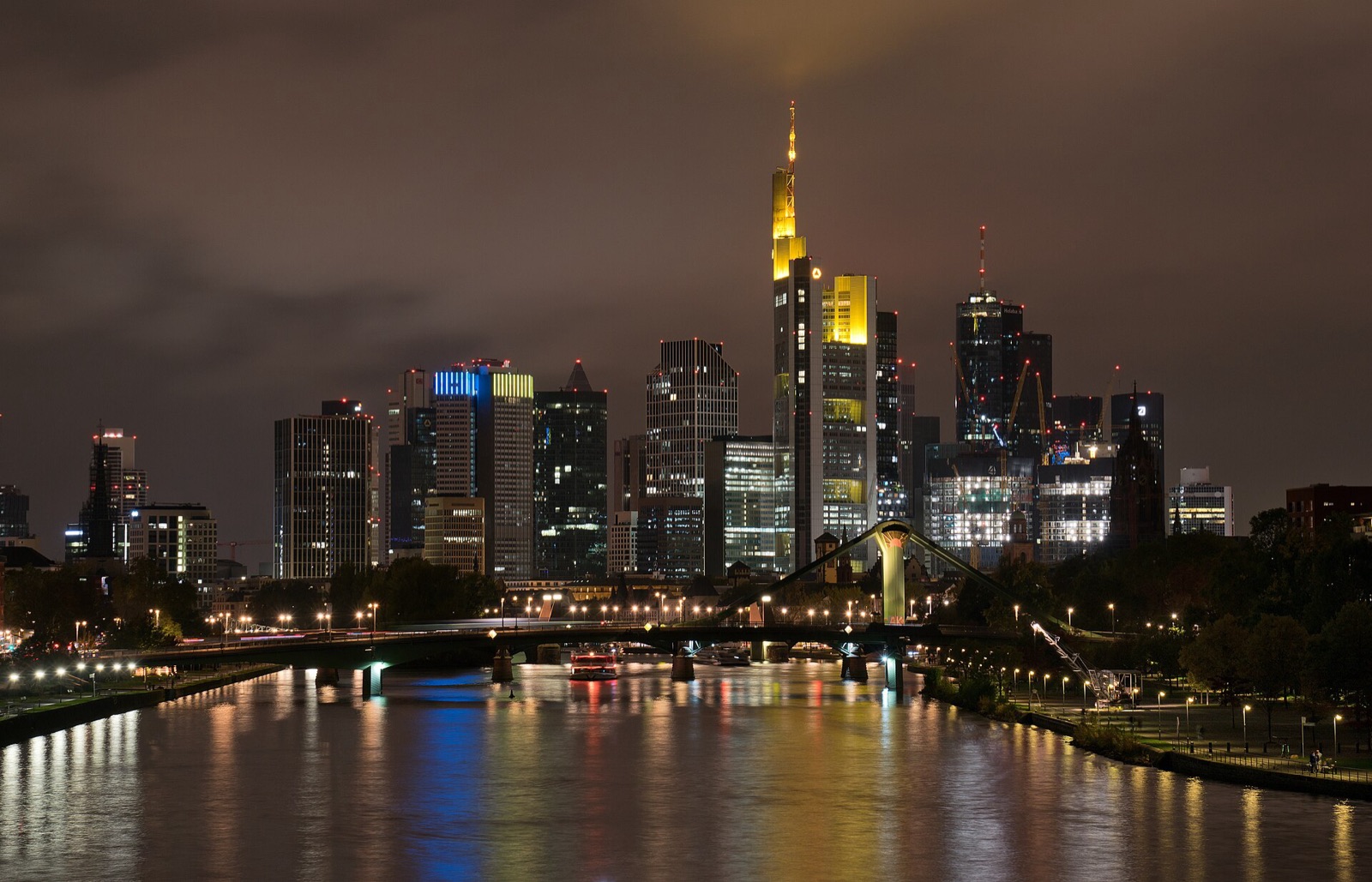
Photo: Windschatten, CC BY-SA 3.0, Wikimedia Commons
By the Delband team
Persian dating in Germany looks different from Los Angeles or London, mostly because so much of the community is new. Germany's statistics office counted about 256,000 people living here in 2024 who had immigrated from Iran, and 99,000 of them had already become German citizens. Among Iranian nationals living here, roughly four in ten had been in the country for three years or less. That makes for a community that is growing, spread across many cities, and still finding its feet, which affects how Iranian singles meet.
≈256,000
People who immigrated from Iran, living in Germany (Destatis Mikrozensus, 2024)
162,000
Iranian nationals without German citizenship (Ausländerstatistik, 31 Dec 2024)
≈19,300
Arrivals from Iran in 2023 alone (Destatis, via IW Köln)
How many Iranians live in Germany?
The answer depends on who's being counted. The figures below come from the Federal Statistical Office (Destatis), as summarised in a March 2026 brief by the German Economic Institute (IW Köln). The Mikrozensus counts everyone who moved here from Iran, including people who have since naturalised. The foreigners' register counts only people with Iranian citizenship and no German passport. Neither number includes German-born children of Iranian parents, so the wider community of Iranian heritage is larger than either.
| Measure | Figure | What it means |
|---|---|---|
| Immigrated from Iran (2024) | ≈256,000 | First generation, with or without a German passport |
| Of whom naturalised | ≈99,000 | Now German citizens |
| Iranian nationals (end of 2024) | 162,000 | About 1.1% of Germany's foreign population |
| Resident 3 years or less | 40.3% | Share of Iranian nationals; 81.9% had been here 9 years or less |
| Aged 25–64 | 74.2% | Share of Iranian nationals, versus 65.2% of all foreign residents |
| Women | 45.4% | Share of Iranian nationals; a fairly balanced ratio |
Two details matter for dating. First, the community is mostly working age: nearly three in four Iranian nationals are between 25 and 64, and the gender balance is much closer to even than for several other recent migrant groups. Second, a large share arrived recently. Their questions about language, work, residence permits and where to settle are part of everyday life, and they often come up early in a relationship.
Hamburg, Berlin, Frankfurt and beyond
Iranian life in Germany has deep roots in Hamburg. After the city's free port opened in 1888, Persian merchants set up in the red-brick warehouses of the Speicherstadt, and the district became one of Europe's best-known hubs for the Persian carpet trade. Fewer carpet dealers remain today, but the history explains why many Iranian families have lived in Hamburg for generations.
These days, Iranian singles live all over the country: in Berlin, in Frankfurt and the Rhine-Main region, in Cologne and the Ruhr, in Munich, and in the big university towns. Germany has no single "Little Tehran", so most people are dating within a regional community rather than one neighbourhood. That's why distance matters so much here, a point our guide to why nearby matches matter makes in detail.
What Iranian dating in Germany is like
- A real mix of generations: families who came in the late 1970s and 1980s, their German-born children, and a large wave of arrivals from the last decade. Our second-generation guide covers how expectations can differ
- Language is layered: Farsi at home, German at work, often English with other internationals, and many couples switch between all three
- Students and skilled workers are a meaningful share. Destatis data shows around 11,100 Iranian nationals here for education and 12,200 for work, and our international student guide covers dating on a visa
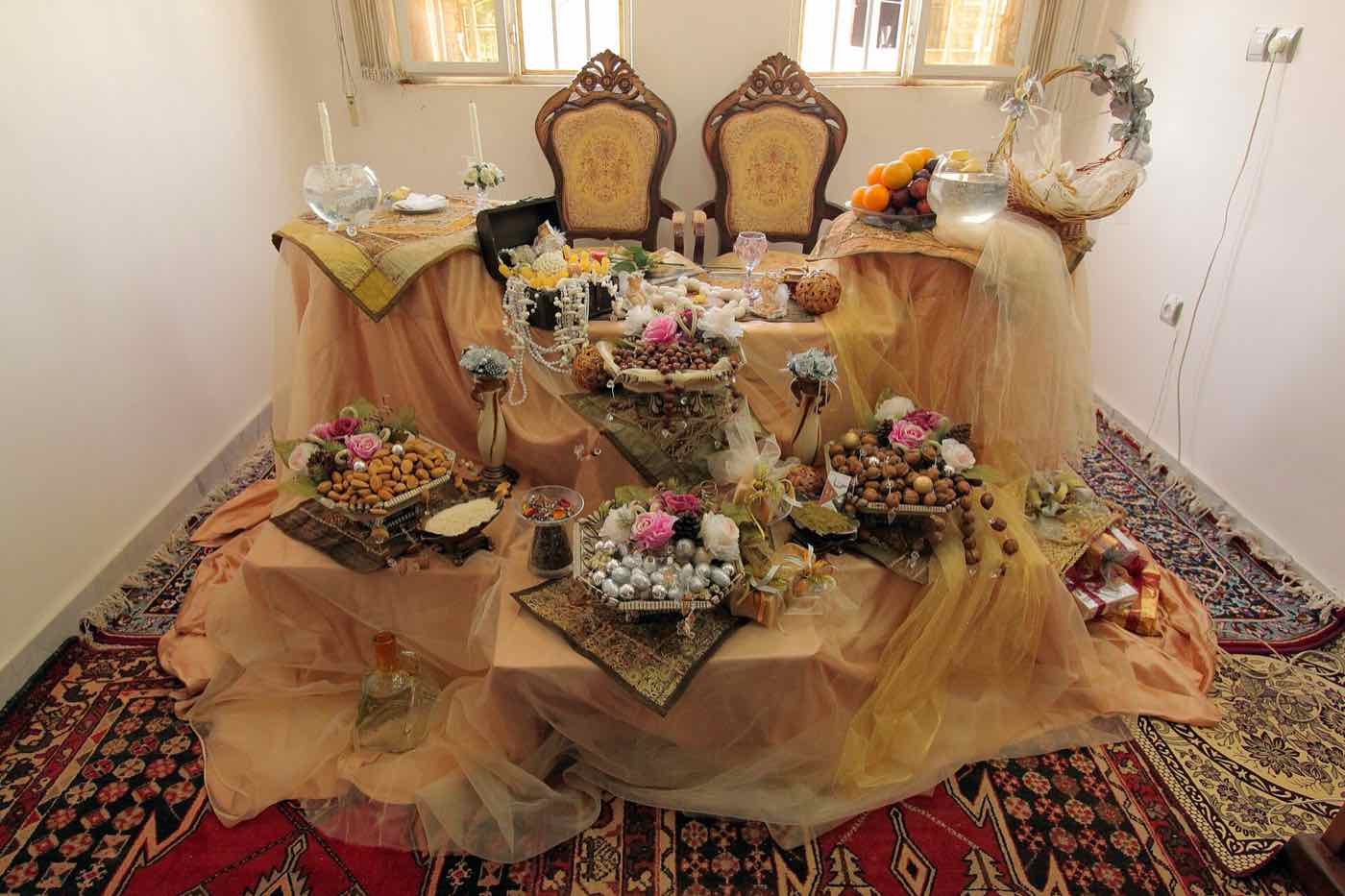
- Nowruz, Chaharshanbe Suri and Yalda gatherings bring people together in every large city, and our Nowruz dating guide has ideas for the season
- Plenty of people date across cultures too. If that's you, see our guide to dating a non-Iranian
Meeting Iranian singles in Germany: practical steps
Set a realistic radius
Within a metro area, such as Rhine-Main, the Ruhr or greater Hamburg, a weeknight date works well. Between cities, it's a weekend plan. Decide which you want before you start matching.
Be upfront about where you are in life
New arrival, student, settled professional or German-born: a line in your profile saves both of you guessing. Our profile bio examples can help.
Video call before you travel
If a match is two hours away by ICE, a short video call first is worth it before you buy the ticket.
Use the community calendar
Nowruz parties, university Iranian societies and cultural evenings are relaxed places to meet people, or for a second date that doesn't feel like an interview.
Long distance inside one country
Because the community is spread so widely, a lot of couples in Germany end up in a long-distance relationship without meaning to. Berlin and Frankfurt, or Hamburg and Munich, are long train rides apart. Many couples manage it well, but it's worth deciding early whether one of you would ever move, especially if residence permits, studies or a new job tie you to one city.
Frequently asked questions
How many Iranians live in Germany?
According to Destatis, about 256,000 people who immigrated from Iran lived in Germany in 2024, of whom around 99,000 had become German citizens. At the end of 2024, 162,000 people held Iranian citizenship without a German passport. German-born people of Iranian heritage are not included in either figure.
Which German city has the most Iranians?
Official city-level figures are not published in the same detail as the national totals, so we don't rank cities. Iranian communities are well established in Hamburg, Berlin, Frankfurt and the Rhine-Main region, Cologne and the Ruhr, and Munich. Hamburg's links go back to the Persian merchants of the Speicherstadt in the 1880s.
Are most Iranians in Germany recent arrivals?
Many are. Among Iranian nationals without a German passport, 40.3% had lived in Germany for three years or less and 81.9% for nine years or less, according to Destatis data reported by IW Köln. Around 19,300 people arrived from Iran in 2023 alone.
Do Iranians in Germany date in Farsi or German?
Both, and often English too. Recent arrivals may prefer Farsi, while German-born Iranians are usually more comfortable in German. Most couples mix languages naturally. Mention your languages in your profile so matches know what to expect.
Is there a Persian dating app in Germany?
Delband is a free iPhone app for Persian and Iranian singles that works in Germany. It sorts matches by distance, so you see people in your own city or region first, and has chat rooms for meeting the wider community.
Wherever you are in Germany, Delband is designed to show you the Persian singles who are actually within reach. It's free on iPhone, sorts matches by distance and verifies accounts by email. It won't shorten the train ride from Hamburg to Munich, but it can help you find someone closer to home.