7 min read ·
Persian Dating in Sweden: Where Iranian Singles Live
Persian dating in Sweden with official SCB data: 87,000 Iran-born residents, where they live from Stockholm to Gothenburg and Uppsala, and how to meet nearby.
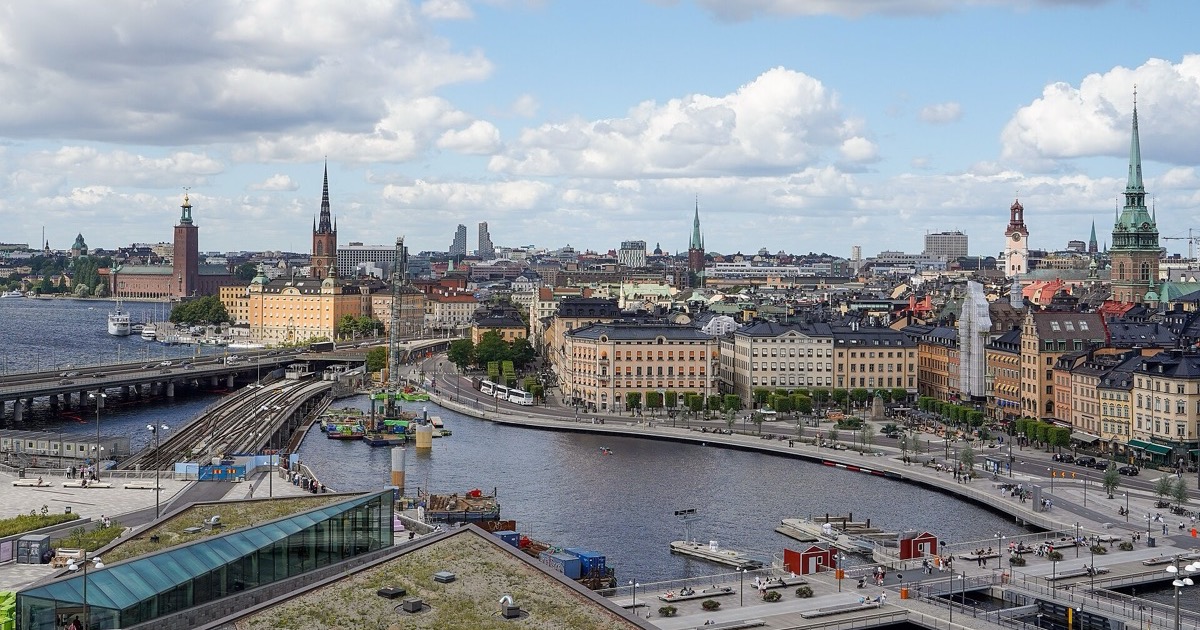
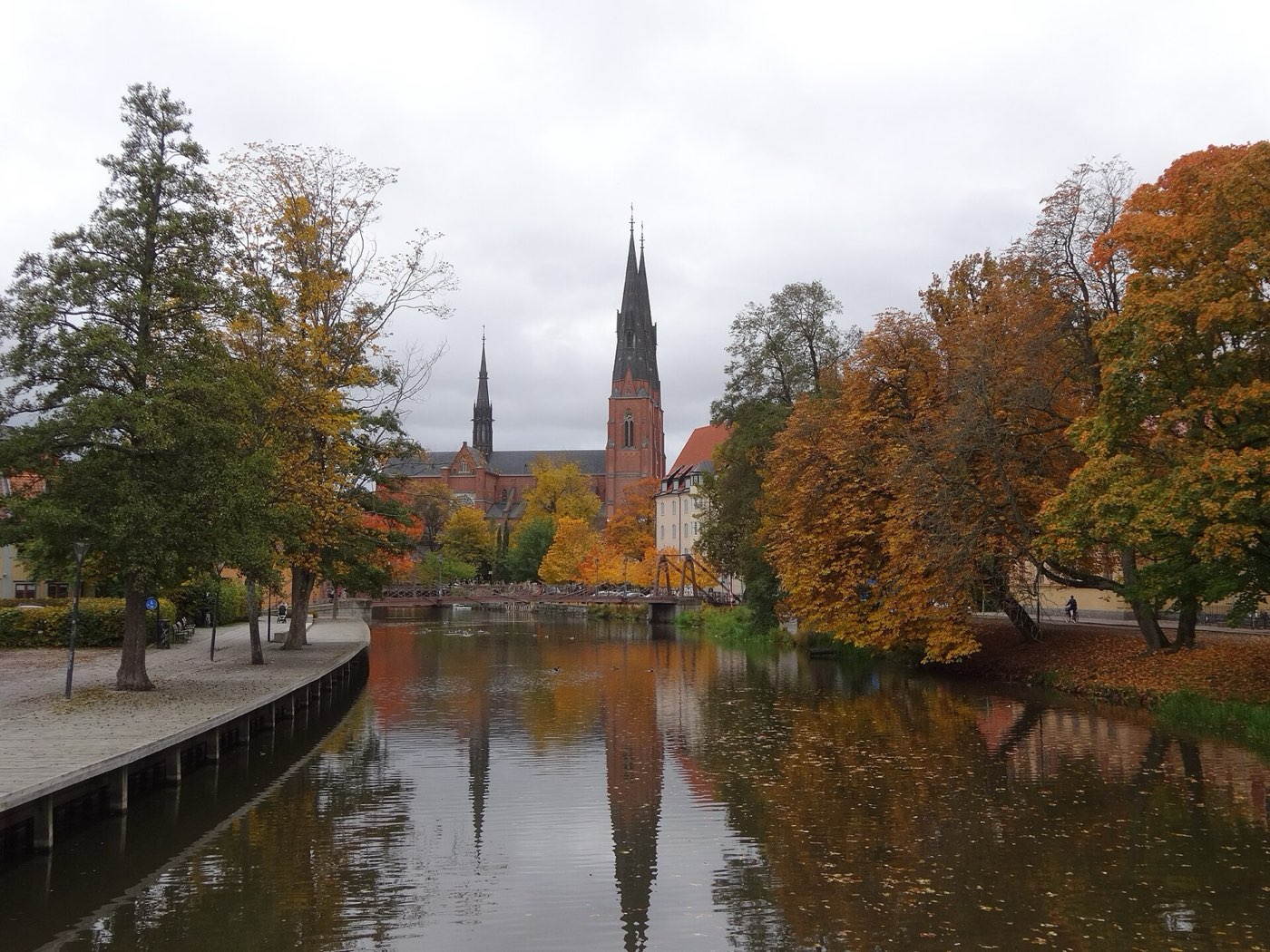
Photo: OleNeitzel, CC BY 4.0, Wikimedia Commons
By the Delband team
Persian dating in Sweden draws on a community that is large for a country of about 10.6 million people. According to Statistics Sweden (SCB), 87,115 people born in Iran lived in Sweden at the end of 2024, up from 68,436 ten years earlier. Add their Swedish-born children and grandchildren and the Swedish-Iranian community is considerably larger. Most of it lives in a handful of cities, so for Iranian singles, where you live often matters more than the national total.
87,115
Iran-born residents of Sweden (SCB, 31 Dec 2024)
+27%
Growth since 2014, when SCB counted 68,436
42,034
Iran-born women living in Sweden (SCB, 2024); men: 45,081
Swedish Iranians by the numbers
SCB's population register counts people by country of birth, so the figures below cover first-generation Swedish Iranians. The gender split is fairly even. New arrivals from Iran have slowed lately: SCB recorded 1,972 Iran-born immigrants in 2024, down about a quarter on 2023. The community is still growing, but more slowly, and it's increasingly made up of people who have lived here for many years.
| Year | Men | Women | Total |
|---|---|---|---|
| 2014 | 35,694 | 32,742 | 68,436 |
| 2024 | 45,081 | 42,034 | 87,115 |
Stockholm, Gothenburg, Uppsala and Malmö
Swedish Iranians are concentrated in a few cities. Using 2006 data, Encyclopaedia Iranica put about 36% of Iran-born residents in Stockholm, 16.9% in Gothenburg, 5.8% in Uppsala and 5% in Malmö. The exact shares will have shifted since then, but the pattern still holds: Stockholm is the clear centre, Gothenburg comes second, and the university city of Uppsala has a larger community than its size would suggest.
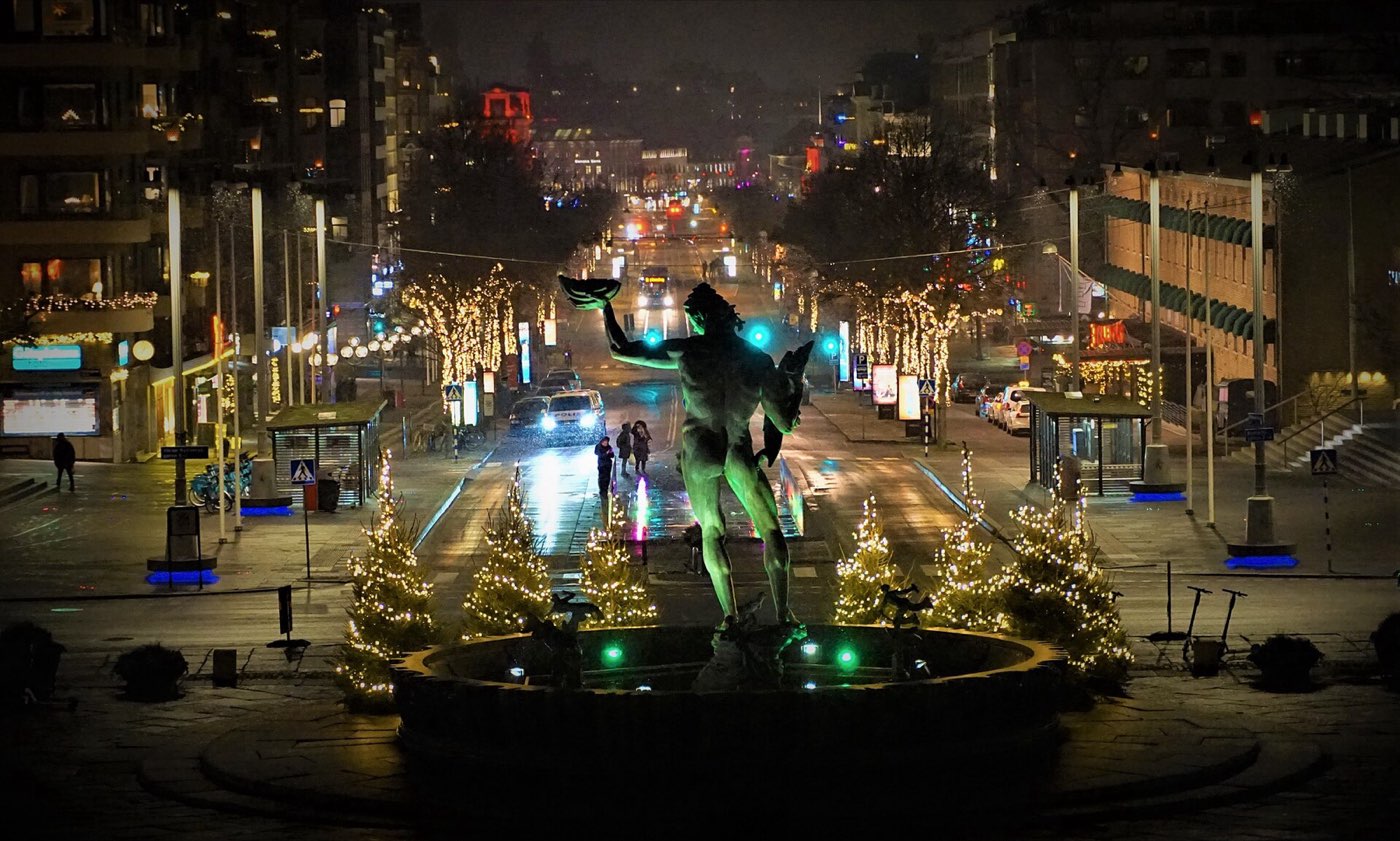
In practice, that means two quite different dating situations. In Greater Stockholm, the pool of Iranian singles is large enough that you can match within your own area and meet on a weeknight, by tunnelbana or commuter train. In Gothenburg, Uppsala or Malmö, the community is smaller and better connected: people are more likely to share friends, and a match may turn out to be someone's cousin. Neither is better, but they call for different expectations. Our piece on why nearby matches matter explains why distance-first matching helps in both.
A diverse, long-settled community
Many Swedish Iranians arrived in the 1980s and their children grew up fully bilingual, so a lot of singles here are second generation, at home in Swedish and Farsi alike. The community is also diverse within itself. Alongside Persians it includes Azeris, Kurds, Lurs and other Iranian peoples, and people bring a range of religious and secular outlooks. Some prefer "Swedish-Iranian" to "Persian" for exactly that reason. Our second-generation dating guide covers how expectations about family and pace can differ between generations.
- Swedish Iranians have built a large network of cultural associations, media and community groups over several decades, especially in the big cities
- Nowruz, Chaharshanbe Suri and Yalda are celebrated across the country, and long Swedish winter nights make Yalda especially popular
- Swedish dating culture tends to be informal and egalitarian, with splitting the bill common. That can sit awkwardly next to taarof, so talk about it
- Mixed couples are common. If your partner isn't Iranian, see our guide to dating a non-Iranian
Dating across two calendars
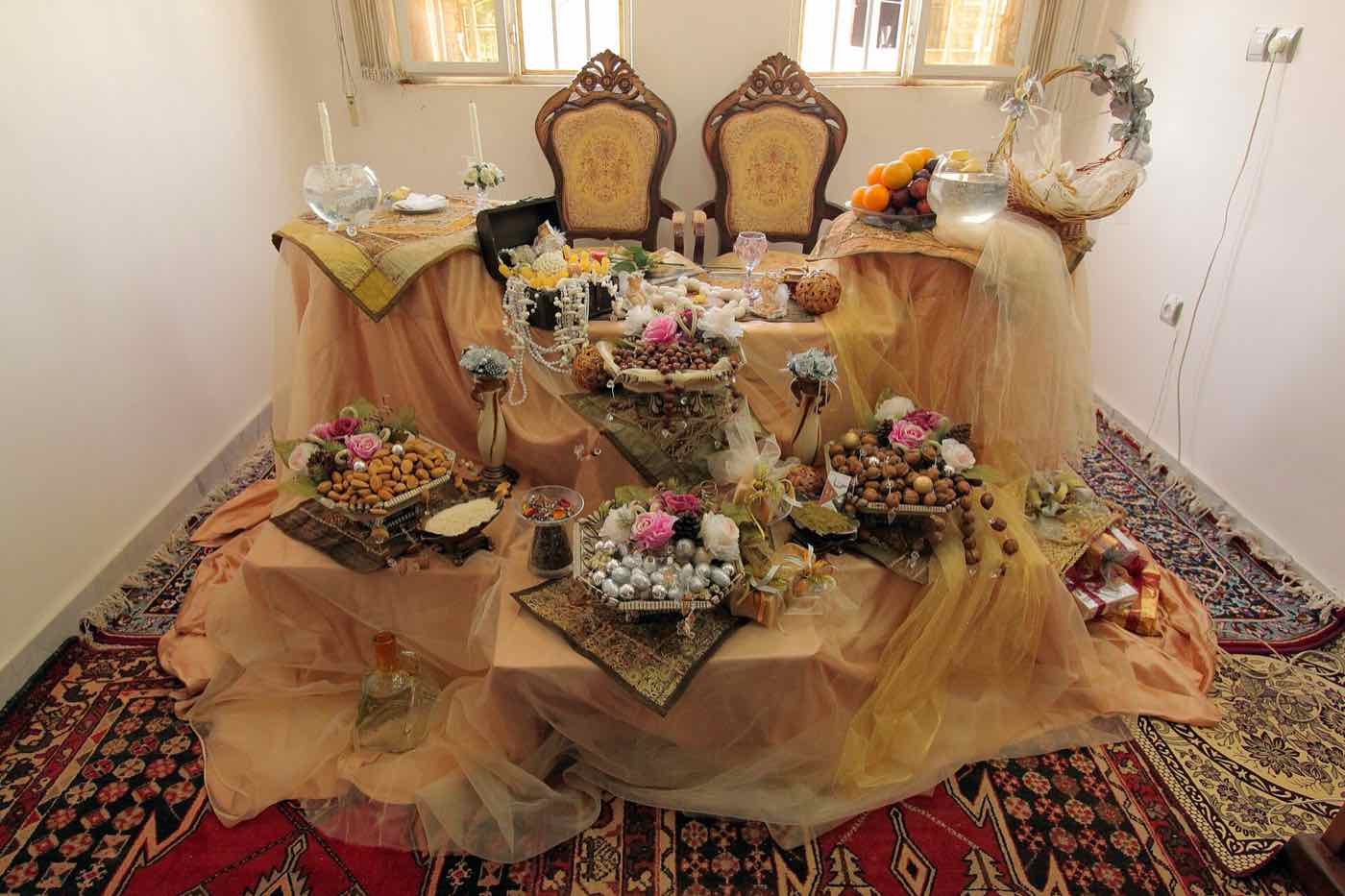
One small pleasure of a Swedish-Iranian relationship is having twice the holidays. Nowruz falls on the March equinox, just as Swedish days start getting longer again. Midsummer in June is the opposite of Yalda, the longest night, which Iranians mark in December with pomegranates, watermelon and poetry. Many couples happily keep both sets of traditions. Christmas and Nowruz, fika and chai, Swedish and Farsi at the same table.
It can also raise questions worth discussing early. Which family do you visit for which holiday? Whose traditions do you keep if you have children? How much Farsi do you want them to speak? None of these need answers on a first date, but they come up sooner than people expect, especially when one partner was born in Sweden and the other arrived as an adult. Our guide to telling Persian parents you're dating is a good place to start when family enters the picture.
Meeting Iranian singles in Sweden: practical steps
Name your area
"Södermalm", "Solna", "Hisingen" or "Uppsala" tells a match far more than "Sweden". In Greater Stockholm, mention which tunnelbana line or commuter route you use.
Say which languages you use
Swedish, Farsi, English, or all three? A short line in your profile helps a newcomer and a Swedish-born match find common ground quickly.
Keep the first date simple
Fika, a short coffee and something sweet, is the classic Swedish first date: an hour, low pressure, easy to extend. See our first date ideas for more.
Plan for the dark months
From November to February, daylight is short. Indoor plans like a Persian dinner, a museum or a concert keep dates going through winter.
Frequently asked questions
How many Iranians live in Sweden?
Statistics Sweden counted 87,115 people born in Iran living in Sweden at the end of 2024: 45,081 men and 42,034 women. That's up from 68,436 in 2014. The wider Swedish-Iranian community, including people born in Sweden to Iranian parents, is larger.
Where do most Iranians in Sweden live?
Mostly in the big cities. Using 2006 data, Encyclopaedia Iranica found about 36% of Iran-born residents in Stockholm, 16.9% in Gothenburg, 5.8% in Uppsala and 5% in Malmö. Stockholm remains the largest centre.
Is immigration from Iran to Sweden still growing?
It has slowed. SCB recorded 1,972 Iran-born immigrants in 2024, about 26% fewer than in 2023. The Iran-born population still grew over the decade, but much of the community is now long settled, with many Swedish-born second-generation Iranians.
Do Swedish Iranians prefer to date other Iranians?
It varies. Some want a partner who shares their language, food and holidays, and others are open to anyone. Many people simply want someone who understands both cultures. Being honest about what you're looking for is more useful than assuming.
Is there a Persian dating app in Sweden?
Delband is a free iPhone app for Persian and Iranian singles that works in Sweden. It sorts matches by distance, so you see people near you first, whether you're in Stockholm, Gothenburg, Uppsala or Malmö, and has chat rooms for meeting the wider community.
Wherever you are in Sweden, Delband is built to show you the Persian singles who are actually nearby. It's free on iPhone, sorts matches by distance and verifies accounts by email, which makes it a simple place to start before your first fika.