8 min read ·
Persian Family Culture: A Guide for Partners and Daters
Persian family culture for anyone dating an Iranian: parents, siblings, aunts and cousins, aberoo, closeness and boundaries, and diaspora differences.
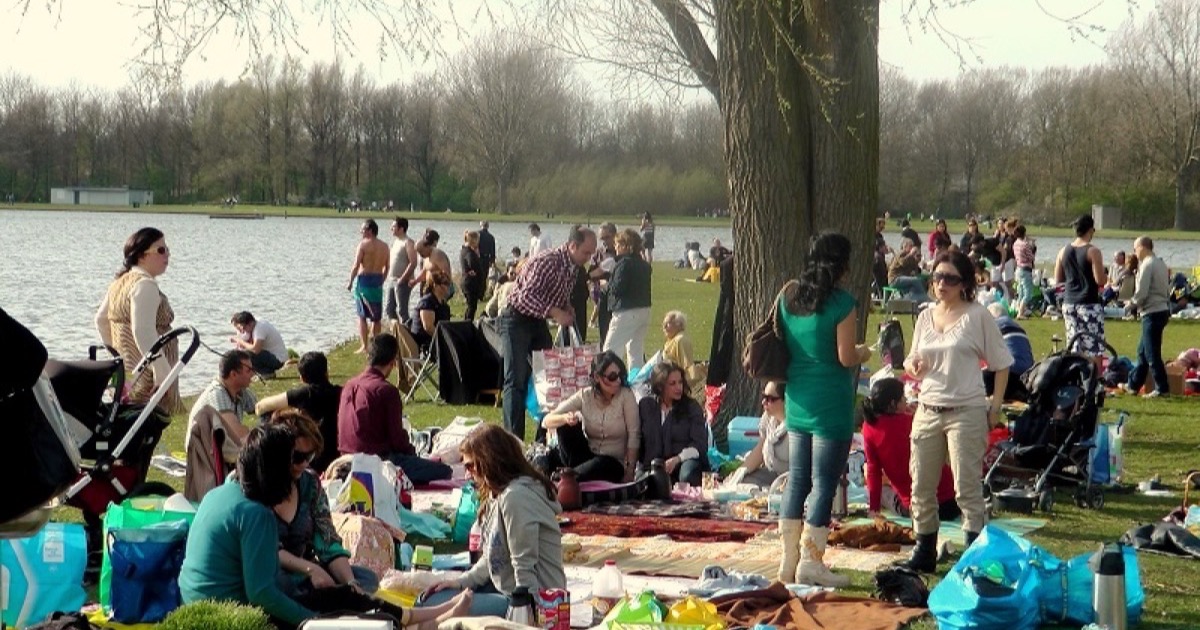
Photo: Persian Dutch Network, CC BY-SA 3.0, Wikimedia Commons
By the Delband team
Date someone Iranian and, sooner or later, you are dating their family too. Not in a dramatic way, usually, but in the sense that their mother will know your name early, their aunt will have opinions about your job, and a Sunday lunch can quietly turn into a family summit. Persian family culture is warm, close and talkative, and it runs on a few unwritten rules. Understanding them makes everything easier, whether you're Iranian yourself or not.
Closeness is the default
In many Persian families, the family is not just the household but a wide network of aunts, uncles and cousins who see each other often and expect to be involved in big decisions. Adult children frequently talk to their parents daily, and it is common, even in the diaspora, for young adults to live at home until marriage. That is not usually a sign of dependence; it is closeness, and often a practical choice too.
For a partner, this closeness has upsides: a ready-made community, endless food and genuine care. It also means less privacy than you may be used to. News travels. If you tell one cousin something, assume it will reach an aunt by dinner.
The family vocabulary you'll need
Farsi has separate words for maternal and paternal relatives, which tells you something about how much these relationships matter. Learn these and you will follow family conversations far better.
Khaleh
خاله
Mother's sister. Often the fun, affectionate aunt.
Ameh
عمه
Father's sister.
Dayi
دایی
Mother's brother.
Amoo
عمو
Father's brother. Also used for any older man, out of respect.
Dokhtar-khaleh / pesar-amoo
دخترخاله / پسرعمو
Cousins are named by the parent's sibling: “daughter of my khaleh”, “son of my amoo”.
Aberoo
آبرو
Reputation, honour, face. The family's standing in the eyes of others, and one of the strongest forces in Persian family life.
Literally something like “the water of the face”.
Famil
فامیل
The extended family, relatives as a whole. (Not “surname”, though it means that too in everyday Farsi.)
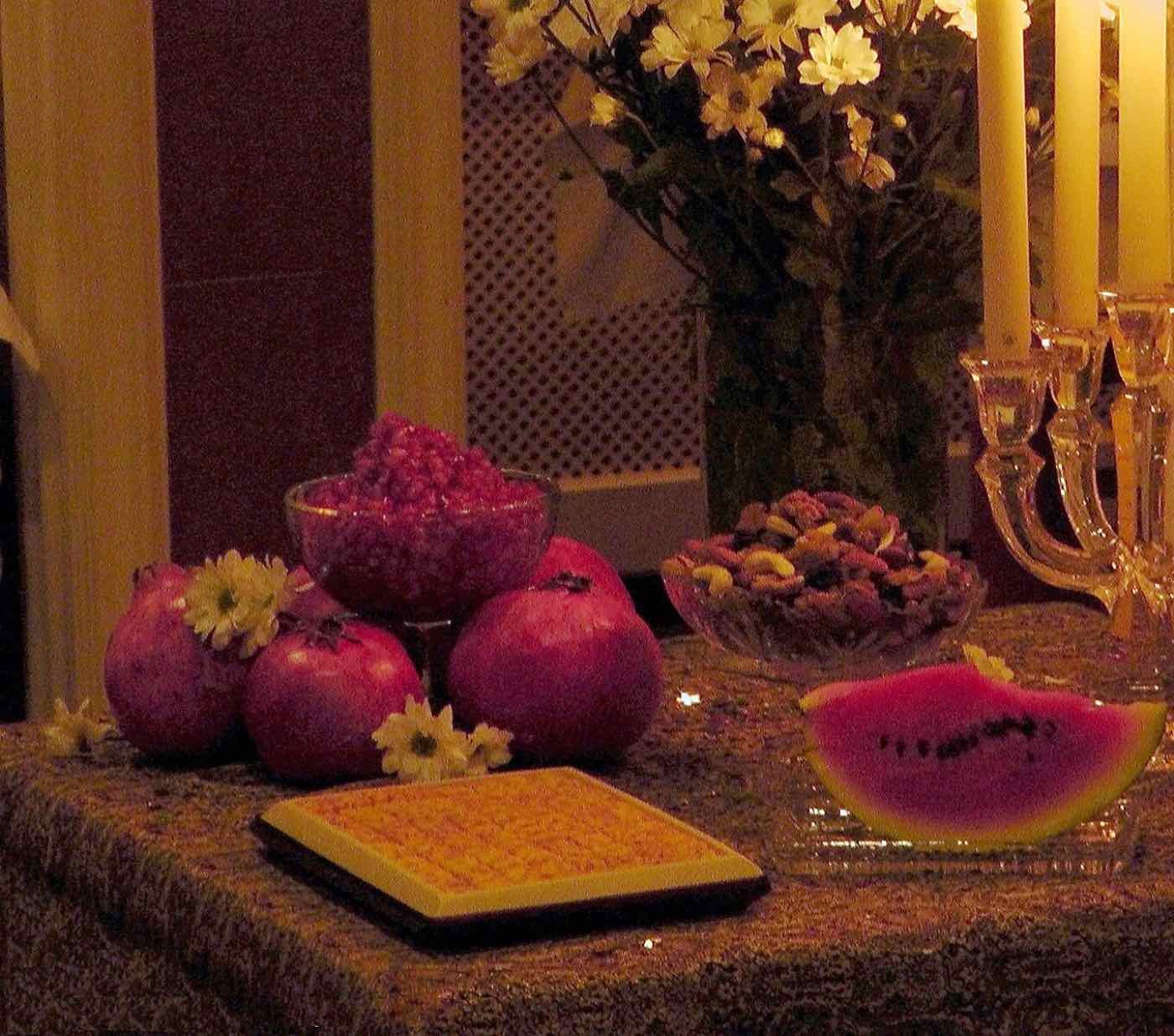
Aberoo: why appearances matter
Aberoo explains a lot of behaviour that can puzzle outsiders: why a parent cares what relatives will think of a wedding, why family disagreements are kept quiet in front of guests, or why your partner may want to introduce you only once things are serious. It is not vanity. It is the sense that each person's choices reflect on everyone, and that the family's good name is shared property.
In dating, aberoo is often why Iranian partners move carefully about when to tell parents. Our guide to telling Persian parents you're dating covers how to handle that moment, and meeting Persian parents covers the first visit itself.
Roles inside the family
| Person | Common role | What it means for a partner |
|---|---|---|
| Parents | Deeply involved, protective, keen to see children settled | Their approval matters even to independent adults |
| Mother | Often the emotional centre and the family's communicator | She may be the first to know, and the first to ask |
| Elders | Grandparents and older relatives are treated with real deference | Greet them first, stand when they enter, let them speak |
| Siblings | Lifelong allies; older siblings may act as advisers | A sibling on your side is invaluable |
| Aunts and cousins | The extended support network, and the gossip network | Expect warmth, curiosity and opinions |
Persian family values in the diaspora
Migration has changed Iranian families in different ways. Some families abroad hold traditions more tightly than relatives back in Iran, as a way of staying connected. Others have relaxed a lot. Second-generation Iranians often navigate two sets of expectations at once: their parents' sense of family duty, and the more individual norms of where they grew up. Our guide to second-generation Iranian dating goes deeper on that balancing act.
Distance matters too. Many diaspora families have parents, siblings or grandparents still in Iran, which can shape everything from holiday plans to wedding guest lists. If that's your situation, see dating someone whose family is in Iran.
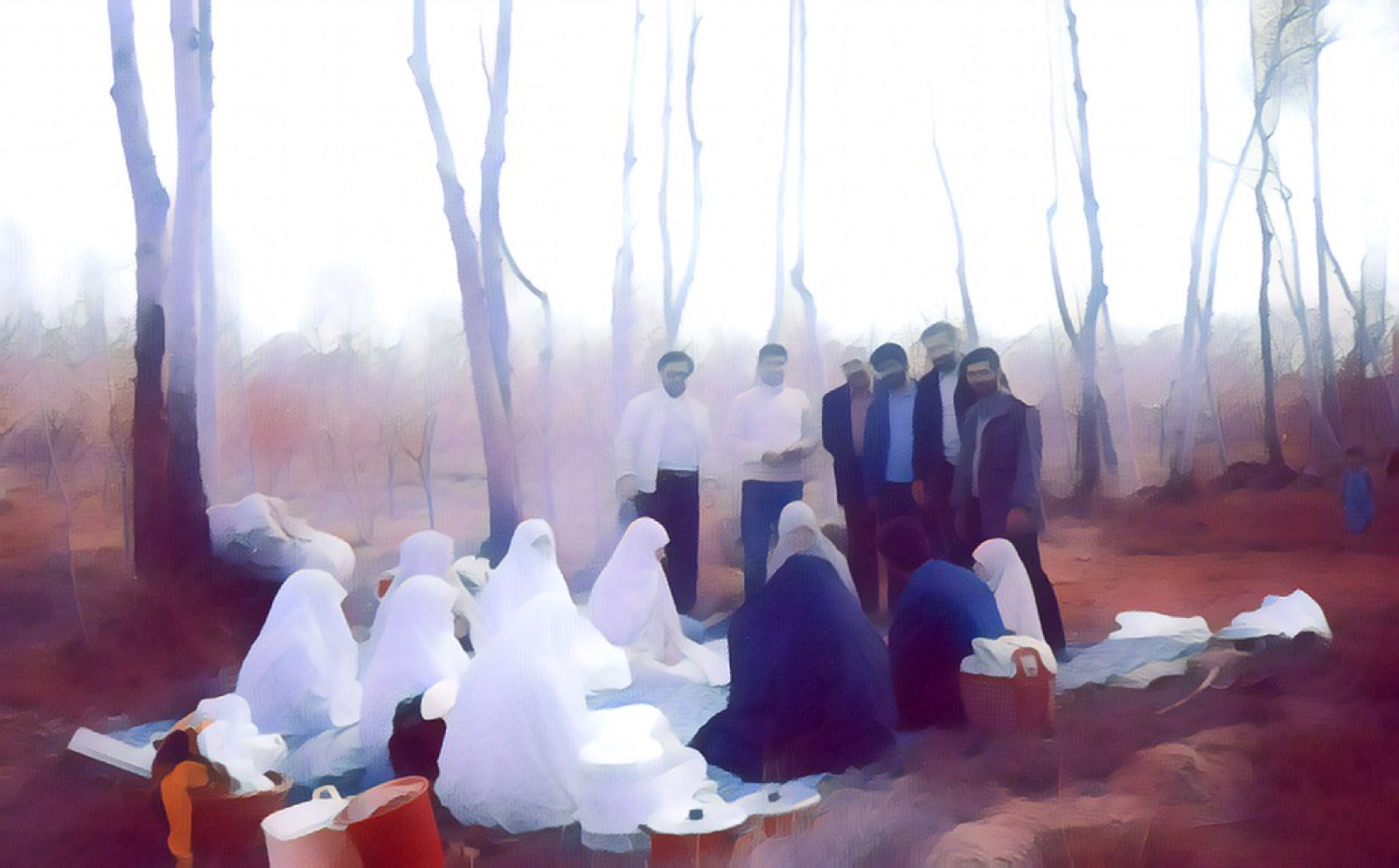
Making it work as a partner
Learn who's who
Ask your partner for a quick family map: names, khaleh versus ameh, who is close to whom, and who it's best not to seat together.
Show up for the big occasions
Nowruz, Yalda, birthdays and funerals matter. Being present, even briefly, says more than any gift.
Respect elders visibly
Greet the oldest person first, accept their tea, and listen. Small gestures go a long way.
Agree on boundaries as a couple
Decide together what's private, how often you'll visit, and how you'll answer questions about marriage. Then present a united front, kindly.
Assume good intent
Direct questions about money, work or children are usually care, not intrusion. Answer warmly, and deflect gently when you need to.
In a Persian family you are never just a guest twice. The second time, you're expected to help clear the table.
When cultures meet: a note for non-Iranian partners
If you didn't grow up in an Iranian family, the intensity can take some getting used to: the phone calls, the unannounced visits, the questions about when you're getting married. Most of it is affection expressed loudly. It helps to remember that Persian families often show love through involvement and food rather than through words, and that being included in family life is a sign of acceptance. At the same time, you're entitled to your own boundaries. The couples who do best usually agree privately on what they're comfortable with, let the Iranian partner handle difficult conversations with their own relatives, and make a real effort to show up and take part. Learning a few words of Farsi, remembering names and asking about family history will win you more goodwill than you might expect.
Frequently asked questions
What are Persian family values?
Common values include closeness between generations, respect for elders, hospitality, loyalty to the extended family and concern for the family's reputation, called aberoo. How strongly each is held varies a lot between families, regions, religions and generations.
What does aberoo mean?
Aberoo means reputation, honour or face: how a person or family is seen by others. It explains why many Iranian families care about appearances, handle conflicts privately and think carefully about when to introduce a partner.
Why do Persian families get so involved in relationships?
Because marriage is traditionally seen as joining two families, not just two people. Parents' involvement usually comes from care and a sense of shared responsibility. Many couples welcome it in some areas and set gentle boundaries in others.
What is the difference between khaleh and ameh?
Khaleh is your mother's sister and ameh is your father's sister. Similarly, dayi is your mother's brother and amoo your father's brother. Farsi distinguishes maternal and paternal relatives, and cousins are named after them.
Do Iranian adults live with their parents?
Many do until marriage, including in the diaspora, often for closeness and practical reasons rather than dependence. Plenty of others move out for study or work. It's not a reliable signal of anything about the person on its own.
Finding someone whose family fits with yours is easier when you start in the same community. Delband is a free iPhone dating app for Persians and the people who love Persian culture, with nearby matches and city chat rooms.