8 min read ·
Dating a Recent Iranian Immigrant: Bridging Two Worlds
Dating a recent Iranian immigrant when you grew up in the diaspora (or the reverse)? How different Irans, status pressures and humour play out — and what helps.
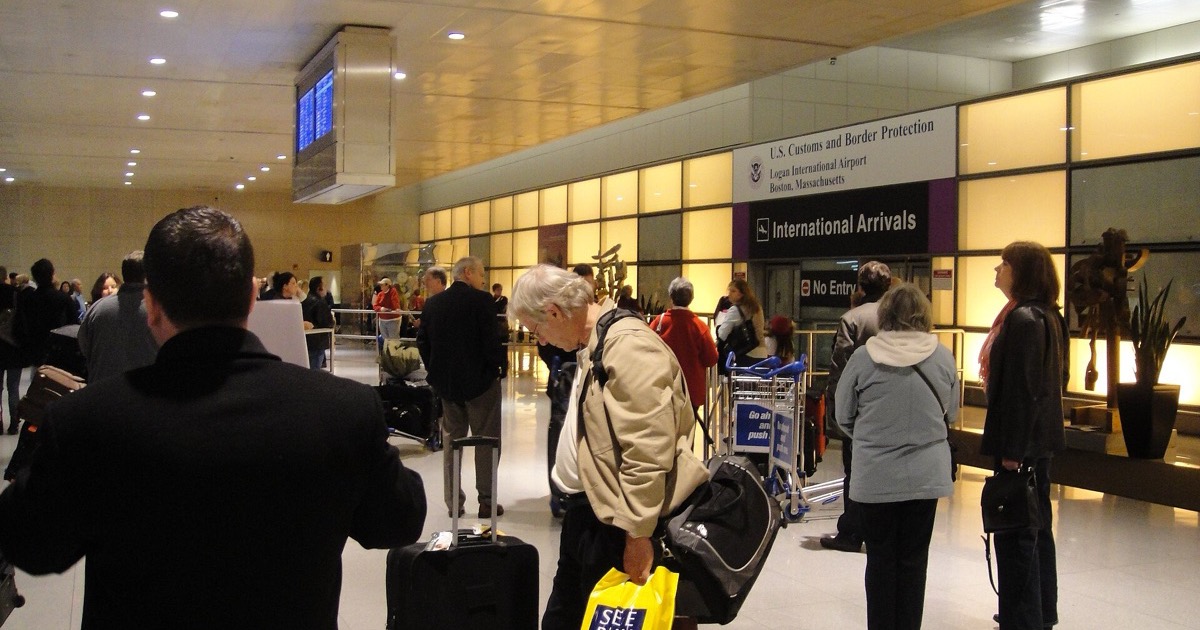
Photo: hildgrim, CC BY-SA 2.0, Wikimedia Commons
By the Delband team
You both speak Farsi, you both grew up on the same tahdig, and yet the first time you talk about "home" you realise you mean different places. Dating a recent Iranian immigrant when you were raised in the diaspora — or dating a diaspora Iranian when you only arrived a few years ago — is one of the most common pairings in the community and one of the least talked about. It's not a culture clash exactly. It's two versions of the same culture, separated by decades, borders and very different first years abroad.
#9
Iran's rank among birthplaces of Canada's recent immigrants, 2021 Census
#4
Iran's rank on the same list in the 2016 Census
1.9%
Share of Canada's 2016–2021 newcomers born in Iran (Statistics Canada)
Many waves, many Irans
Iranian emigration didn't happen once. The Migration Policy Institute describes a large movement around the 1978–79 revolution — including tens of thousands of Iranian students already in the United States at the time — followed by later waves of families, refugees, students and skilled professionals. Statistics Canada's census shows Iran remained among the top ten birthplaces of recent immigrants in 2021, after ranking fourth in 2016. The result is that in almost any diaspora city, people who arrived in the 1980s, their children, and people who landed last year are all part of the same dating pool.
Each group carries a snapshot of Iran from the moment they or their parents left. A diaspora kid may know the Iran of their parents' stories, old Googoosh songs and summer visits. A recent arrival knows today's Tehran: the slang, the economy, the music people actually listen to now, the specific ways daily life has changed. Both are real. Neither is the full picture.
Where the differences show up in a relationship
| Topic | Often true for recent arrivals | Often true for diaspora-raised |
|---|---|---|
| Language | Farsi is effortless; English may still feel like work, especially for jokes | English is the comfortable default; Farsi may be kitchen-table level |
| Humour and references | Current Iranian slang, TV and internet culture | Diaspora jokes, local pop culture, older Persian music |
| Money and stability | Rebuilding a career, re-qualifying, sometimes supporting family | More settled, with a local network and credit history |
| Family | Parents often still in Iran; calls across time zones | Parents nearby and possibly very involved |
| Politics | Direct, recent experience; feelings can be raw | Views shaped by family history and news from afar |
None of this predicts how a particular person thinks. Plenty of recent arrivals are more secular, liberal or internationally minded than people raised abroad, and plenty of diaspora kids are more traditional than their newly arrived dates. The table is a list of things to ask about, not assume.
The quiet power imbalance — and how to keep it from growing
The most delicate part of dating a recent Iranian immigrant is usually not culture at all. It's that one partner knows how the new country works and the other is still learning: the rental market, the job hunt, the healthcare system, the unwritten rules of a workplace. Helping is lovely. Becoming the permanent guide, translator and fixer is not, because it slowly turns a partner into a dependent. Meanwhile a newcomer whose foreign degree isn't recognised, or who has gone from a senior job to an entry-level one, may feel judged by a status that doesn't reflect who they were a year ago.
- If you're the settled one: offer information, then step back. Let them make their own calls, even slower ones.
- If you're the newcomer: say when you'd like help and when you'd rather figure it out — and say what you bring that isn't visible yet.
- Talk about money openly and early. Different starting points are normal; unspoken resentment is the problem.
- If immigration status ever becomes part of the conversation about commitment, slow down and make sure both of you are choosing the relationship for its own sake.
Language, humour and "you're not really Iranian"
Teasing about accents goes both ways — the newcomer's English, the diaspora kid's "broken" Farsi — and in the early stages it can feel affectionate. Over time it can sting. The phrase to retire completely is some version of "you're not really Iranian" (or its mirror, "you're too Iranian"). Identity in the diaspora is personal and hard-won. If you want help with language, ask for it directly; our guide to Persian words of endearment is a sweeter place to start practising than politics.
Tazeh-vared
تازهوارد
Newcomer, someone who has just arrived.
Eghamat
اقامت
Residency or legal status — a word that comes up a lot in newcomers' lives.
Ghorbat
غربت
The feeling of exile or being far from home.
Diaspora-raised partners may never have felt it the same way; it's worth asking about.
Risheh
ریشه
Roots — what both of you are trying, in different ways, to keep.
Families on two continents
A diaspora partner's parents may be close by, cooking every Friday and asking about intentions by the third month. A newcomer's parents are more likely to be in Iran, meeting their child's partner over a patchy video call. Each side can misread the other: the local family's involvement can look intrusive to someone used to distance, and a newcomer's quieter family contact can look like a lack of seriousness. It isn't. When the time comes, our guides to meeting Persian parents and dating someone with family in Iran cover both directions.
Politics: the conversation to have carefully
Politics is where the gap can feel widest, because a recent arrival may have lived through events that a diaspora partner only watched on a screen. Feelings can be raw on both sides, and family histories vary enormously. You don't have to agree on everything. What tends to matter is whether you can listen without correcting, and whether you share the values that will shape your daily life together. Our guide to talking about politics and religion early in dating has practical ways in.
What actually helps
Swap your Irans
Ask each other what Iran meant growing up: the food, the music, the neighbourhood, the first memory of leaving or visiting. It's a gentle way to see the snapshot each of you carries.
Name the asymmetry
Acknowledge out loud that one of you is more settled. It's easier to keep things balanced once it's said.
Build a shared city
Find places that are new to both of you, so the newcomer isn't always the guest in their partner's world.
Celebrate together
Nowruz, Yalda and Chaharshanbe Suri look slightly different in every family. Mixing your traditions is one of the nicest parts of this pairing.
Frequently asked questions
Is it hard to date a recent Iranian immigrant if I grew up abroad?
It's different rather than hard. You'll share language and many customs, but your reference points, family situations and daily pressures may differ. Couples who do well tend to be curious about each other's version of Iran, talk openly about money and status, and avoid making one partner the permanent guide to life in the new country.
How do I avoid seeming condescending to a newcomer partner?
Offer information rather than instructions, and let them decide. Don't correct their English or their choices in front of others. Recognise the career and status they had before they moved, and ask about it. Most importantly, assume they're as capable as they are — they just haven't had time to learn the local system yet.
What if our families don't get along?
Different migration histories can create assumptions on both sides — about religion, class, politics or how "Iranian" someone is. Give each family time and context, and talk with your partner first about what you'll each explain to your own parents. Our guides to meeting Persian parents and telling parents you're dating cover these conversations.
Should we talk about politics early?
Gently, and not as a first-date topic. Recent arrivals may have personal experiences that are painful to discuss. Focus on shared values and how they shape your life together rather than debating news. If you discover a deep disagreement, it's better to know before you're both very invested.
Can immigration status affect a new relationship?
It can, especially around timing, travel and finances. It's fair to talk about it once things are serious. What isn't fair is pressure in either direction — rushing commitment for paperwork reasons, or using status as leverage. If either happens, slow down and get independent advice.
Whether you arrived last spring or your parents arrived decades ago, the diaspora is where your stories meet. Delband is a free iPhone app for Persian singles that shows people near you first and has city chat rooms, so a newcomer and a local can find each other in the same neighbourhood — and work out the rest over tea.