7 min read ·
Hafez Love Poems: 6 Ghazals Every Iranian Knows
Hafez love poems in Persian and English — Gertrude Bell’s 1897 translations plus literal ones — with what each ghazal means and how Iranians use them.
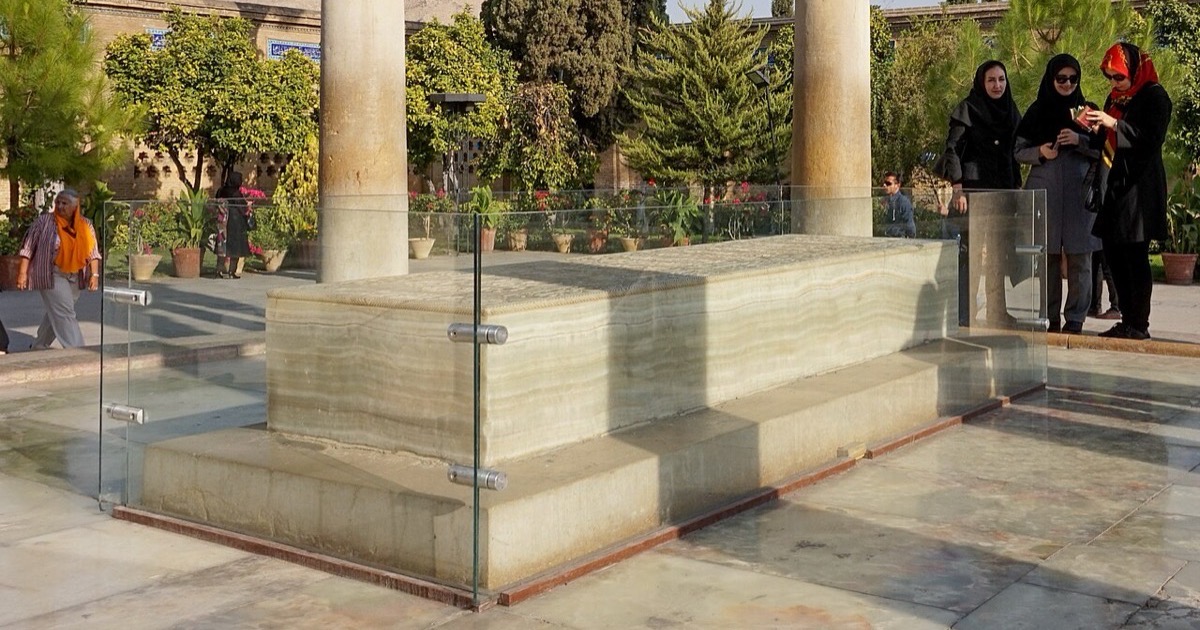
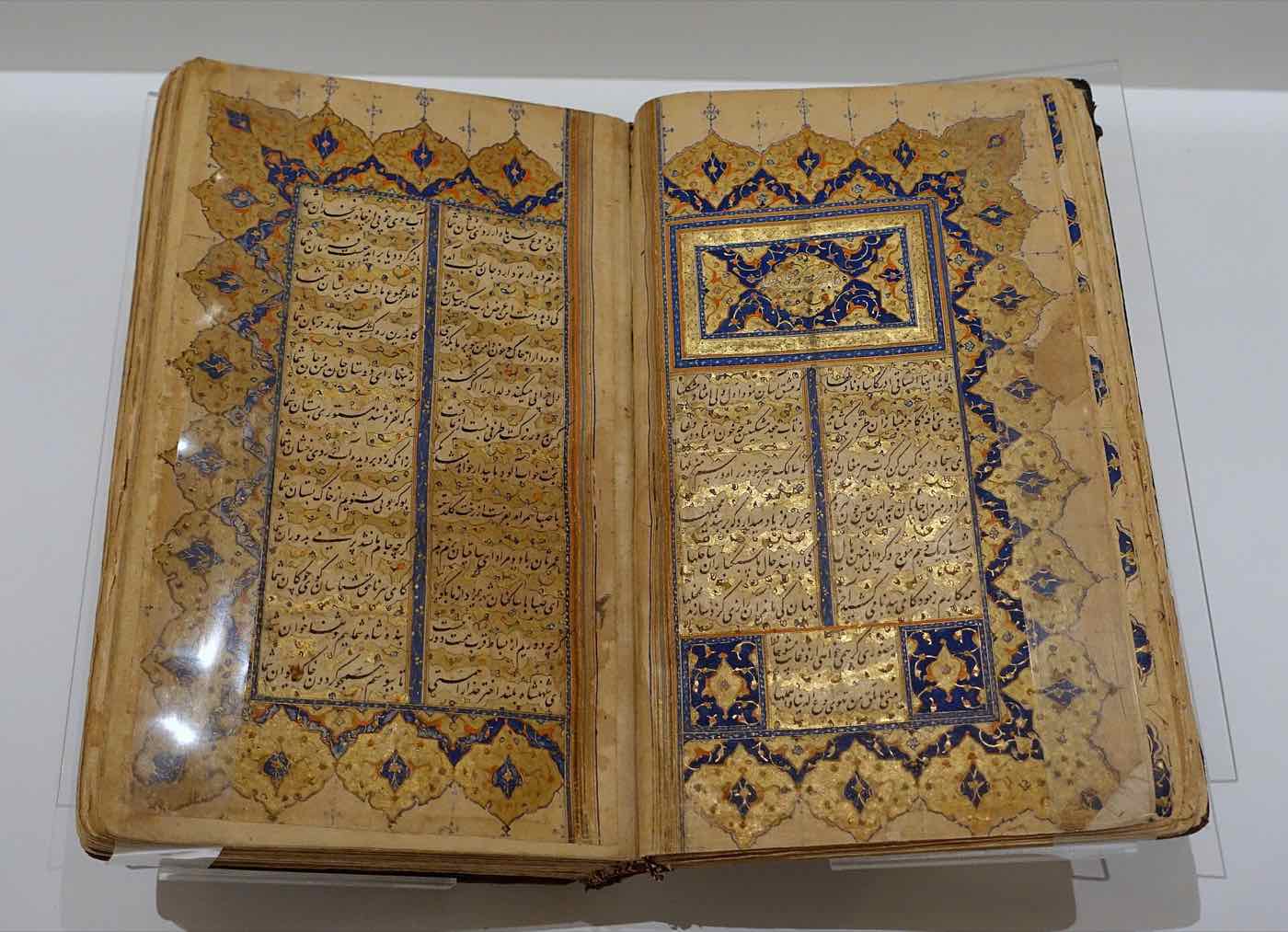
Photo: Bernard Gagnon, CC BY-SA 4.0, Wikimedia Commons
By the Delband team
Hafez love poems are not museum pieces in Iran. They’re quoted in text messages, sung at weddings, read out on Yalda Night and opened at random as fortunes. Six centuries after he died in Shiraz, Hafez is still the poet Iranians reach for when ordinary words about love run out. Here are six of his best-known love ghazals, with the Persian, a translation you can trust, and what each one means to the people who quote it.
How a Hafez ghazal works
A ghazal is a short lyric poem made of couplets (beyt), usually around seven to ten. Every couplet ends on the same rhyme, and the last one traditionally names the poet — so the final couplet of a Hafez ghazal speaks to “Hafez” himself. Each couplet can stand alone, which is why Iranians quote single lines the way English speakers quote proverbs.
Hafez’s beloved is famously ambiguous. Persian has no gendered pronouns, and the same lines can be read as human love, divine love, or both at once. That openness is part of why his poems fit so many lives — and why they work so well for a fal e Hafez.
1. The Turk of Shiraz — love that’s worth an empire
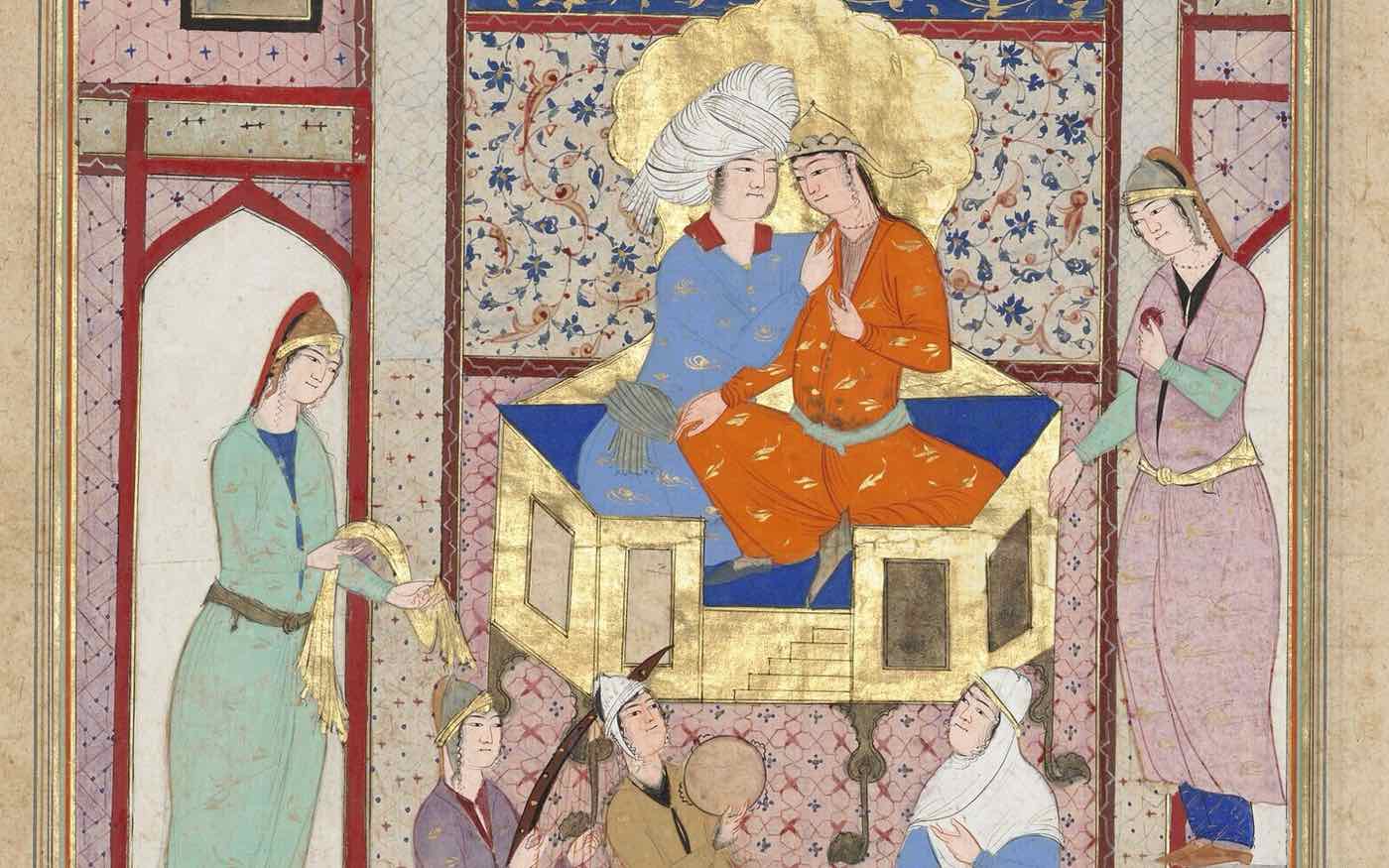
Oh Turkish maid of Shiraz! in thy hand / If thou’lt take my heart, for the mole on thy cheek / I would barter Bokhara and Samarkand.
— Hafez — اگر آن ترک شیرازی به دست آرد دل ما را / به خال هندویش بخشم سمرقند و بخارا را — tr. Gertrude Bell (1897)
Probably the most famous opening in Persian poetry. The speaker would trade two of the greatest cities of Central Asia for a single beauty mark. A well-known legend says the conqueror Timur later scolded Hafez for giving away his cities so cheaply — and Hafez replied that such generosity was why he was now so poor. It’s almost certainly a story, but Iranians love telling it.
2. “Love seemed easy at first” — the opening of the Divan
Arise, oh Cup-bearer, rise! and bring / To lips that are thirsting the bowl they praise, / For it seemed that love was an easy thing, / But my feet have fallen on difficult ways.
— Hafez — الا یا ایها الساقی ادر کأسا و ناولها / که عشق آسان نمود اول ولی افتاد مشکلها — tr. Gertrude Bell (1897)
This is the first ghazal in most editions of the Divan, and its second half-line — eshgh asan nemood avval, vali oftad moshkel-ha, “love seemed easy at first, but then came the difficulties” — is something people say about real relationships all the time. It’s honest about the work love takes, which may be why it never gets old.
3. “Lost Joseph will return” — the poem of hope
From Canaan Joseph shall return, whose face / A little time was hidden: weep no more— / Oh, weep no more! in sorrow’s dwelling-place / The roses yet shall spring from the bare floor!
— Hafez — یوسف گمگشته بازآید به کنعان غم مخور / کلبه احزان شود روزی گلستان غم مخور — tr. Gertrude Bell (1897)
Gham makhor — “don’t grieve” — closes every couplet. The Joseph of the Quran and the Bible, lost to his father and then restored, becomes a promise that whatever you’ve lost can come back. For long-distance couples and anyone waiting on someone, this is the Hafez poem. Drawing it in a fal is considered a lucky answer.
4. “Love appeared and set the world on fire”
In the beginning, the ray of your beauty shone out in radiance; love appeared, and set fire to the whole world.
— Hafez — در ازل پرتو حسنت ز تجلی دم زد / عشق پیدا شد و آتش به همه عالم زد — literal translation by Delband
Dar azal — “in pre-eternity”, before time began — is where Hafez places the origin of love: the beloved’s beauty showed itself, and love was the fire it lit. It’s one of the most-sung Hafez ghazals, and a favourite for wedding readings because it treats love as something older than the people who feel it.
5. “Whoever’s heart is alive with love never dies”
The one whose heart has been brought to life by love will never die; our permanence is written in the ledger of the world.
— Hafez — هرگز نمیرد آن که دلش زنده شد به عشق / ثبت است بر جریده عالم دوام ما — literal translation by Delband
This couplet appears on gravestones, wedding cards and tattoos across the Persian-speaking world. It’s the closest thing Hafez has to a mission statement: love is what makes a life last.
6. Spring, roses and the nightingale
The rose has flushed red, the bud has burst, / And drunk with joy is the nightingale.
— Hafez — tr. Gertrude Bell (1897)
The rose and the nightingale (gol o bolbol) are the oldest couple in Persian poetry: the nightingale sings itself hoarse for the rose, who is beautiful, thorny and short-lived. Whenever you see them in Hafez, you’re reading a love poem — and a reminder that the season for joy doesn’t last forever, so take it while it’s here.
Hafez love poems in English: which translation?
| Source | What it is | Good for |
|---|---|---|
| Gertrude Bell (1897) | Rhymed verse translations of 43 ghazals; public domain | Reading aloud, cards, weddings |
| H. Wilberforce Clarke (1891) | Complete prose translation with heavy notes; public domain | Checking what a line actually says |
| Modern scholarly translations | Closer to the Persian, with commentary; under copyright | Serious reading |
| Daniel Ladinsky’s books | Best read as his own poems inspired by Hafez, not translations | Enjoy as Ladinsky, not as quotes |
How to use Hafez in your love life
- Send a single couplet in Persian script with your own translation. It means more than a long message.
- Do a fal together — it’s a classic on Yalda Night and a lovely low-key date any evening.
- Ask their parents for their favourite Hafez line. Most Iranian families have one, and the story behind it.
- Listen to sung Hafez: classical Persian singers have recorded many of these ghazals, and a playlist makes an easy date night.
- Learning the language? A couplet a week is a beautiful way to learn Farsi for your partner.
A practical note for anyone choosing a poem for an occasion: Hafez’s ghazals often move between moods within a single poem, from celebration to complaint to wry self-mockery. Before reading a whole ghazal at a wedding or engagement, read it through in translation and check that the couplets you choose suit the moment. Many people pick two or three couplets rather than the full poem — a perfectly traditional way to quote Hafez.
Frequently asked questions
What is the most famous Hafez love poem?
The ghazal beginning “agar an Tork-e Shirazi” — the Turk of Shiraz — is probably the most famous, alongside the opening ghazal of the Divan, “ala ya ayyuha al-saqi”, with its line that love seemed easy at first. “Yusof-e gomgashteh” is the best-loved poem of hope.
Are Hafez’s love poems about God or about people?
Both, and deliberately so. Hafez wrote within a Sufi-influenced tradition where earthly love can mirror divine love, and Persian’s genderless pronouns keep the beloved open. Iranians read him both ways, often within the same poem.
What is a ghazal?
A ghazal is a short Persian lyric poem of rhyming couplets, usually about love and longing. Each couplet can stand alone, all end on the same rhyme, and the final couplet usually includes the poet’s pen name — in this case Hafez.
Where can I read Hafez in English for free?
Gertrude Bell’s Poems from the Divan of Hafiz (1897) is free on Project Gutenberg, and H. Wilberforce Clarke’s complete prose translation (1891) is available through the Internet Archive. Both are public domain and useful alongside the Persian original.
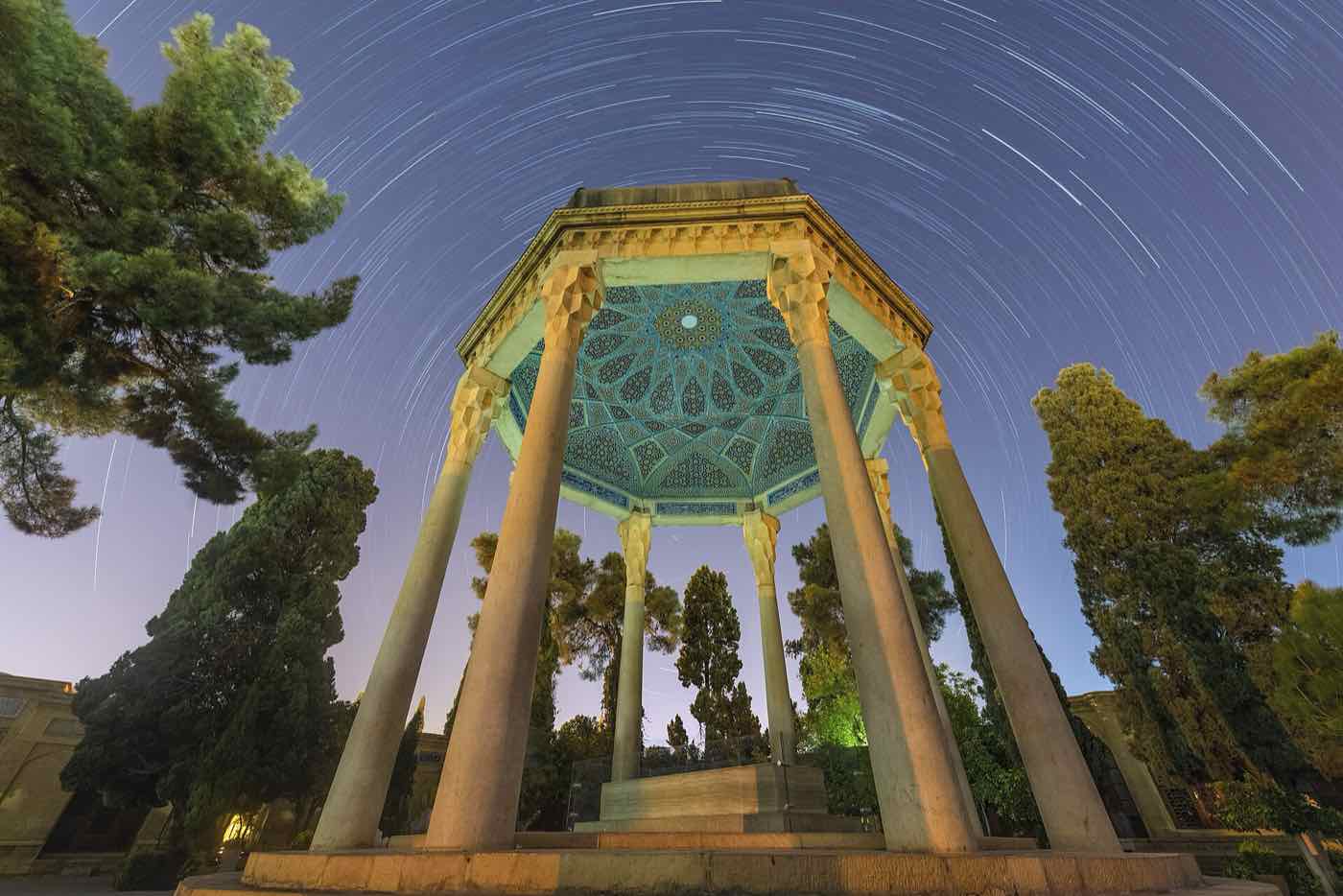
Is Hafez’s tomb worth visiting?
For many Iranians, the tomb in Shiraz is a place of pilgrimage for poetry lovers. Visitors read his verses at the grave, take a fal and sit in the gardens around it, especially at dusk. It’s among the best-known sights in the city.
Hafez spent his life writing about the person on the other side of the door. Delband is a free iPhone dating app for the Persian community — with nearby matches and city chat rooms — for meeting someone who might one day want to read his poems with you.