8 min read ·
What to Bring to a Persian Home: Gifts, Sweets and Flowers
What to bring to a Persian home, from a box of shirini to the right bouquet. A practical guide to gifts by occasion, how to hand them over, and what to skip.
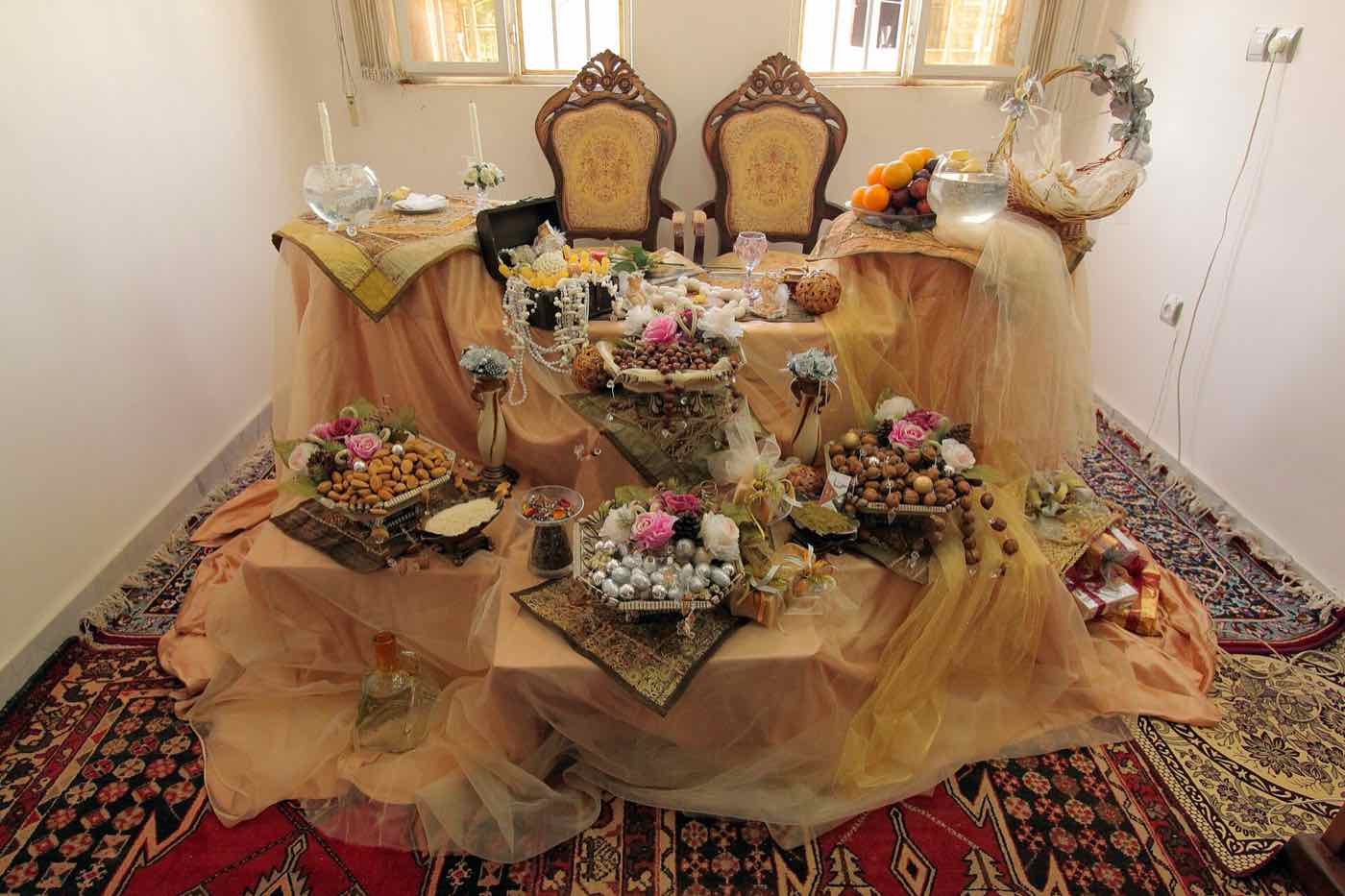
Photo: Roozitaa, CC BY-SA 3.0, Wikimedia Commons
By the Delband team
If you are wondering what to bring to a Persian home, the short answer is: something sweet, something beautiful, or both. Iranian hospitality is generous to the point of being overwhelming, and the small gift you carry through the door is how you answer it. Turning up empty-handed is one of the few things that really does get noticed. The good news is that the right gift is rarely expensive. It just needs to be chosen with a little thought, presented with both hands, and handed over with the right words.
This guide goes deeper than the quick checklist in our guide to meeting Persian parents. It covers which pastries to choose and why, how flowers are read, what changes by occasion, and the small rituals around giving and receiving that make the moment feel natural instead of awkward.
The safe default: a box of shirini
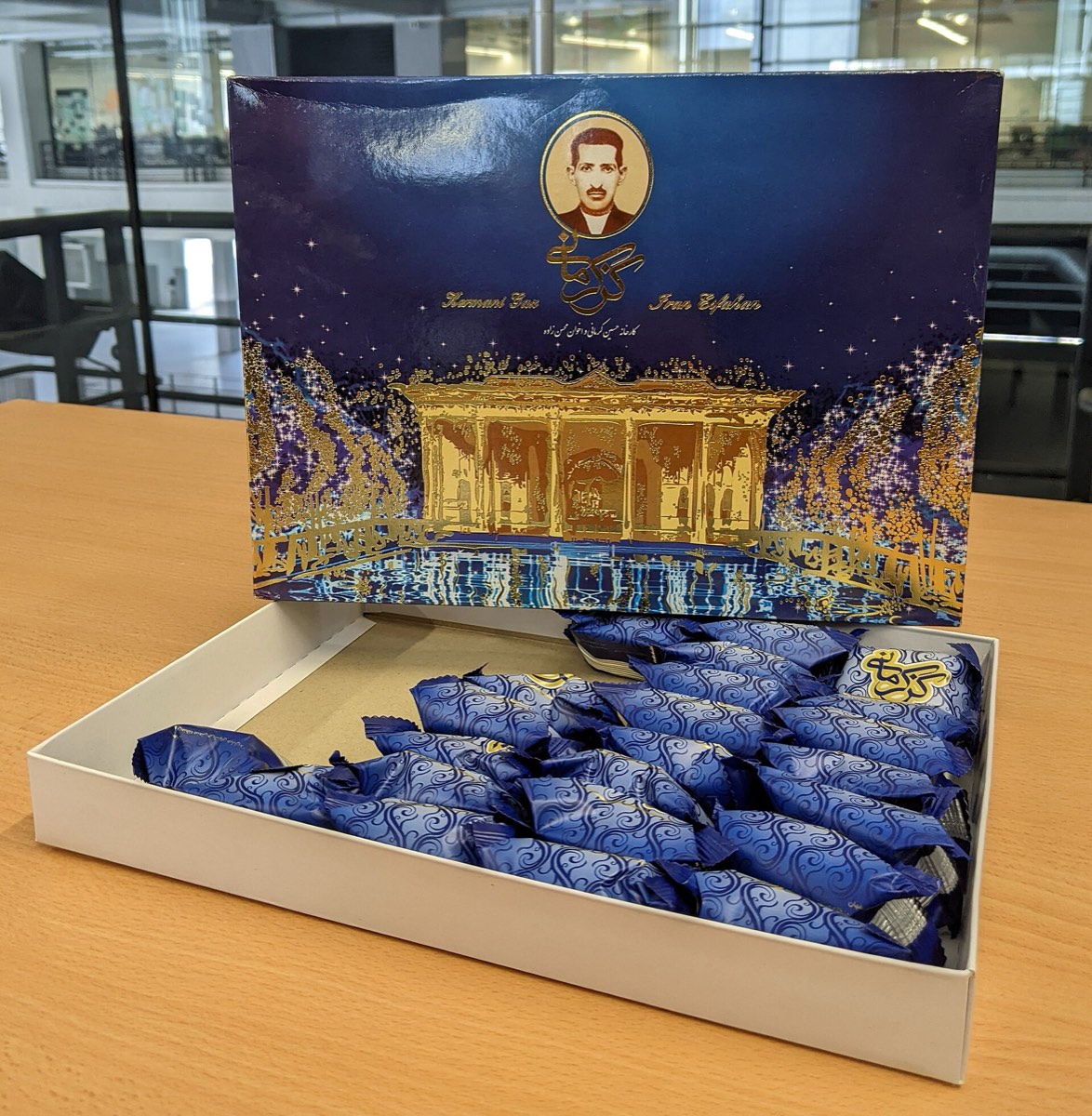
Shirini (شیرینی) simply means 'sweets', but in practice it refers to the pastries sold by the box at Persian bakeries. A box of shirini is the closest thing Iranian culture has to a universal hostess gift. It works for a first visit, a Nowruz call, a family dinner or a congratulations. Hosts will usually open it later and serve it with tea, either that evening or to the next guests who drop by, so it never goes to waste.
Persian bakeries in diaspora hubs sell two broad kinds. Shirini-ye tar ('wet' pastries) are cream-filled: cream rolls, éclair-style pastries and little cream puffs. They look festive but need a fridge, so they suit a visit where you are going straight there. Shirini-ye khoshk ('dry' pastries) are cookies and small biscuits that keep for days, which makes them the better choice if you are travelling or visiting several homes in one day.
Nan-e berenji
نان برنجی
Rice-flour cookies, often scented with rosewater and topped with poppy seeds. Delicate and crumbly.
A classic of Kermanshah and a Nowruz favourite.
Nan-e nokhodchi
نان نخودچی
Small clover-shaped cookies made from chickpea flour, with cardamom. They melt in the mouth.
Zaban
زبان
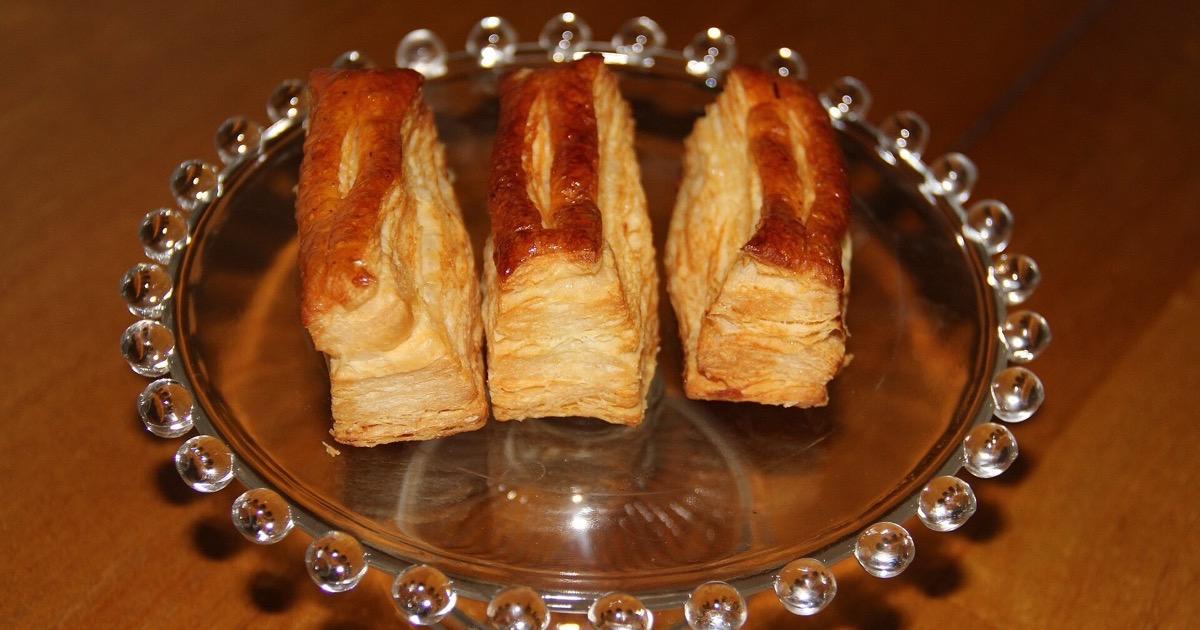
'Tongue' pastries: flaky, sugar-glazed puff pastry shaped like a long tongue. Crunchy and very popular.
Gaz
گز
Soft nougat with pistachios or almonds, famously from Isfahan, often sold in tins or boxes.
Sohan
سوهان
A brittle saffron toffee with pistachios, associated with the city of Qom. Rich, so a small tin goes far.
Baghlava
باقلوا
The Persian take on baklava: often denser, with almond or pistachio and a cardamom-rosewater syrup.
Flowers: generous and well wrapped
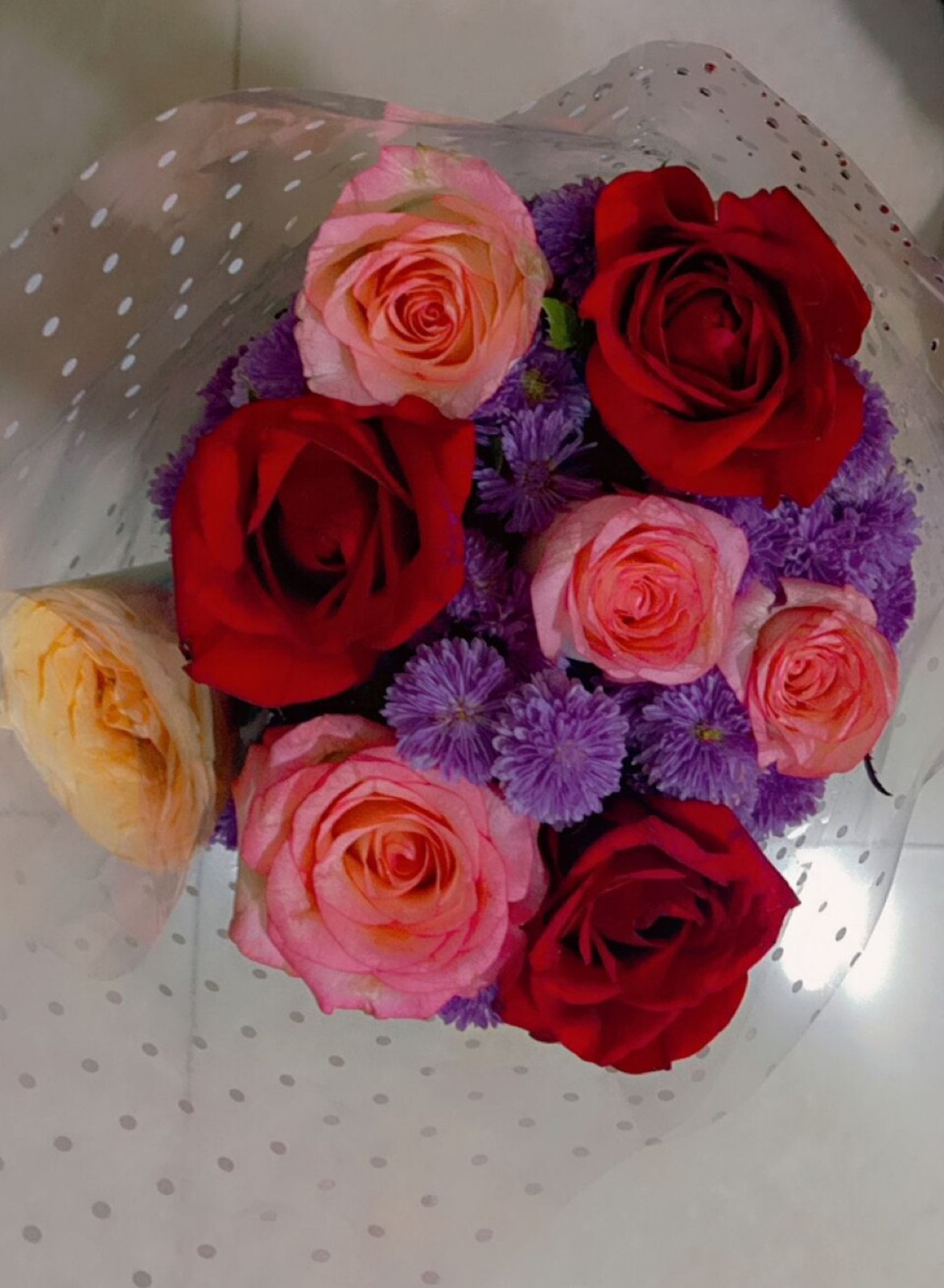
Flowers are the other classic, and for more formal visits they are expected. Iranian florists tend to favour full, abundant arrangements, so a bouquet that would look generous elsewhere can look modest in a Persian living room. You do not need to spend a fortune, but choose something full rather than a few stems, and keep the wrapping neat. Mixed roses or seasonal arrangements are always welcome.
For a formal family occasion, especially a khastegari, the flowers carry real symbolic weight: the visiting family traditionally brings a large bouquet or arrangement along with sweets. For an ordinary dinner, a modest bouquet is plenty, and many people bring flowers and sweets together.
What to bring, by occasion
| Occasion | Good choices | Notes |
|---|---|---|
| First dinner with a partner's family | Box of shirini plus flowers | Ask your partner what the host likes. See meeting Persian parents. |
| Nowruz visits (eid didani) | Shirini, nuts (ajil), a small potted plant | Visits run through the first days of the new year; dry pastries travel best. |
| Yalda night | Pomegranates, watermelon, nuts or a dessert | Fruit is part of the occasion. See Yalda date ideas. |
| Housewarming | A plant, a nice serving dish, a tea set | Something for the home is more personal than sweets alone. |
| New baby | A gift for the baby, flowers for the mother | Gold jewellery for the baby is traditional among close family. |
| Khastegari or engagement | Large flowers and a big box of sweets | The visiting family brings these; jewellery only if agreed in advance. |
How to hand over a gift (and what happens next)
The giving itself has a rhythm. You hand the gift over, ideally with both hands, and say something modest about it. Your host will almost certainly say you shouldn't have, that you went to trouble, and then thank you warmly. That polite back-and-forth is part of the taarof script, and you do not need to win it. Just smile and insist lightly.
Greet first, gift second
Say salam to everyone, starting with the eldest, before handing anything over. Gifts come after greetings, not instead of them.
Give with both hands
Offer the box or bouquet to the host with both hands. It reads as respectful and is how most Iranians do it.
Say something modest
A simple 'it's nothing, just a little something' works in English. In Farsi, people often say 'ghabel-e shoma ro nadare' — 'it isn't worthy of you'.
Expect the 'you shouldn't have'
The host will likely say 'chera zahmat keshidid?' ('why did you go to the trouble?'). That is gratitude, not a refusal.
Don't wait for it to be opened
In many Iranian homes gifts are set aside and opened after guests leave. That is normal, not a sign that your gift was ignored.
What to skip
- Alcohol, unless you know for certain it will be welcome.
- Anything with pork or gelatin of unknown origin in households that keep halal. Many diaspora families don't, but it is easy to avoid the question.
- Gifts that are too personal for the stage of the relationship, such as clothing or perfume for a partner's parent on a first visit.
- Anything that looks like it is meant to impress. A carefully chosen box of pastries is warmer than an expensive gift that makes the host feel they owe you.
- A cash envelope on an ordinary visit. Money gifts (eidi) have their place, usually from elders to younger relatives at Nowruz, but not from a guest to a host.
In a Persian home, the gift is not really the box of sweets. It is the message that you thought about the people you were visiting before you knocked on the door.
If you are not Iranian
Nobody expects a non-Iranian guest to know the difference between nan-e nokhodchi and nan-e berenji. Bringing a box of Persian pastries at all shows that you looked into it, and that effort tends to be remembered. If your partner is Iranian, ask them which bakery their family likes. Turning up with a box from the family's favourite shop is a small detail that lands surprisingly well. For a fuller picture of how Iranian hosts think about guests, see our guide to Persian hospitality.
Frequently asked questions
What is the best gift to bring to a Persian home?
A box of pastries from a Persian bakery (shirini) is the safest and most traditional choice. Flowers are the other classic, and for more formal visits many guests bring both. If there is no Persian bakery nearby, good chocolates or pastries from a quality local bakery are perfectly acceptable.
Should I bring wine to an Iranian dinner?
Only if you know the family well and are sure it will be welcome. Some Iranian households drink and others don't, for religious or personal reasons. Because you can't tell from the outside, sweets, flowers or fruit are the safer default for a first visit.
Why didn't my Persian host open my gift?
In many Iranian homes, gifts are put aside and opened after guests have gone. It avoids comparing gifts in front of others and lets the host focus on the guests. It is not a sign that your gift wasn't appreciated.
What do you bring for Nowruz visits?
During the Nowruz visiting season people often bring a box of dry pastries, mixed nuts (ajil), flowers or a small plant. Dry pastries travel well if you are visiting several homes. Elders often give younger relatives eidi, a small new-year gift of money.
Is it rude to arrive empty-handed at a Persian home?
It is not a disaster, especially for a casual drop-in, but for a planned dinner or first visit it does get noticed. Even a small box of pastries or a modest bouquet shows respect for the host's effort.
Knowing what to bring is one thing; having someone whose family you are visiting is another. Delband is a dating app for Iranians and the people who love Persian culture, with nearby matches and city chat rooms. It is free to download on iPhone, and the pastry box is up to you.